

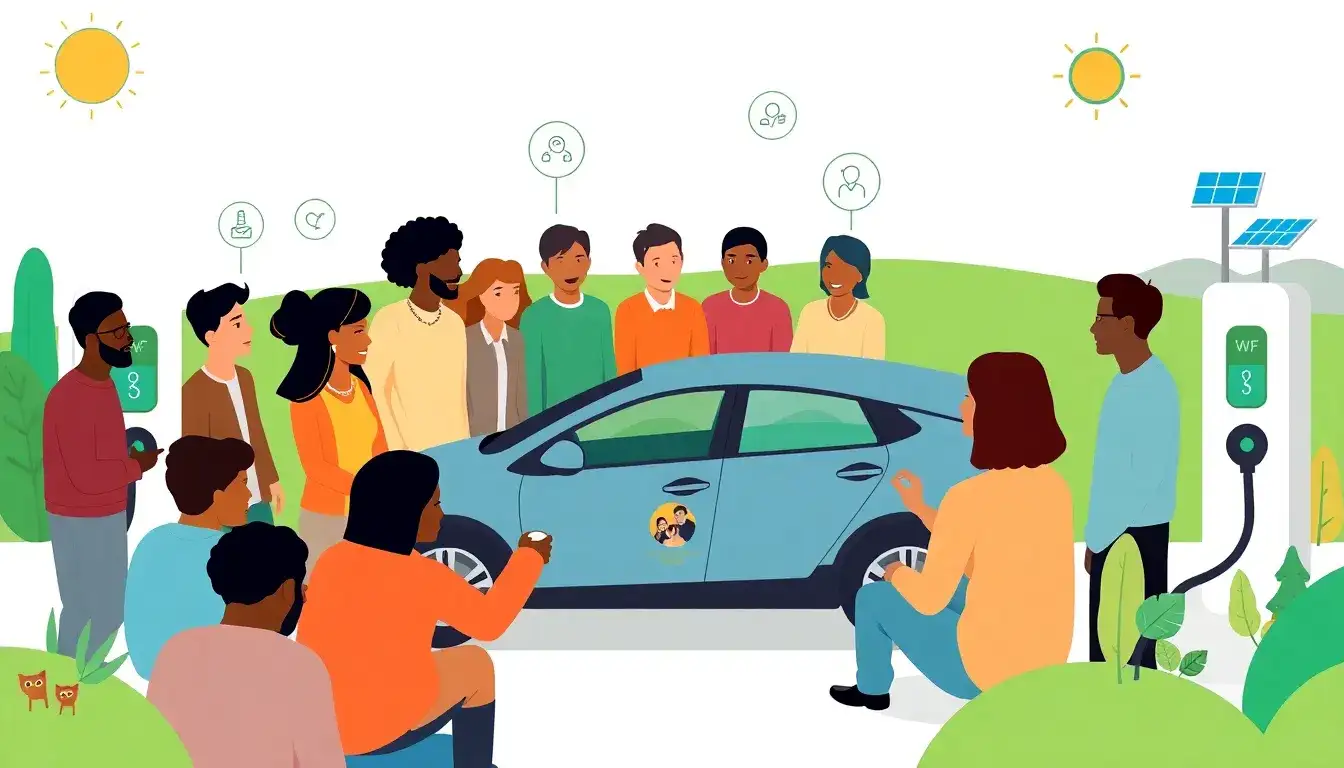
To build trust with underserved communities for electric vehicle (EV) adoption, a combination of community-centric engagement, education, and equitable policy implementation is essential. Below are the most effective strategies:
Proactive Community Engagement
- Direct outreach: Prioritize visiting underserved areas to initiate dialogue and understand local barriers. This fosters trust by demonstrating commitment to inclusion rather than expecting communities to seek out information.
- Listening sessions: Organize forums where residents can voice concerns about EVs, such as cost misconceptions, charging logistics, or maintenance fears. Address these issues transparently to build credibility.
- Cultural relevance: Use humor, local languages, and community influencers in campaigns (e.g., Veloz’s “Electric for All” initiative) to make messaging relatable and memorable.
Myth-Busting Education
- Targeted campaigns: Clarify misconceptions about EV affordability (e.g., emphasizing incentive stacking) and reliability through workshops, social media, and partnerships with trusted local organizations.
- Incentive literacy: Provide step-by-step guidance on accessing tax credits, rebates, and charging infrastructure grants to demystify ownership costs.
- Charger access: Highlight plans for equitable charging infrastructure expansion in rural and low-income neighborhoods to alleviate “charging desert” concerns.
Equitable Program Design
- Tailored incentives: Offer subsidies or financing options specifically for low-income households, such as enhanced rebates or used-EV incentives.
- Charger zoning policies: Advocate for inclusive urban planning that prioritizes charging stations in multi-family housing and public transit hubs.
- Job creation: Emphasize how EV adoption can generate local employment in installation, maintenance, and manufacturing to align with community economic goals.
Continuous Feedback and Adaptation
- Post-event surveys: Measure program effectiveness and adjust tactics based on community feedback.
- Partnerships: Collaborate with utilities, nonprofits, and local governments to pool resources and sustain long-term trust.
By centering these strategies on inclusivity, transparency, and responsiveness, stakeholders can bridge gaps in EV accessibility and foster meaningful adoption in underserved communities.
Original article by NenPower, If reposted, please credit the source: https://nenpower.com/blog/what-are-the-best-strategies-for-building-trust-with-underserved-communities-for-ev-adoption/

