

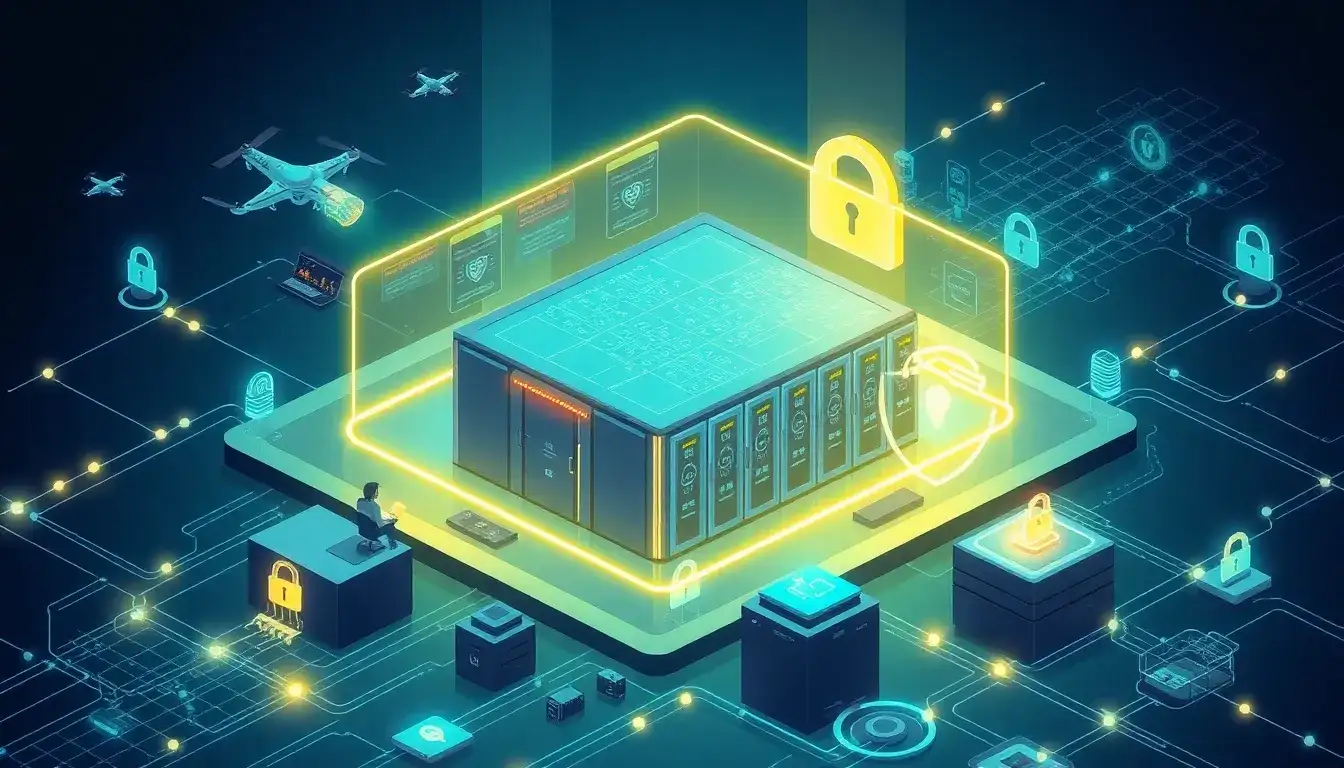
Best Practices for Securing Energy Storage Systems
1. Security by Design
- Early Implementation of Security Measures: Embed cybersecurity protocols early in the design and development phase. This includes incorporating secure communication protocols, encryption, and strict access controls.
- Risk Assessment: Conduct thorough risk assessments to identify potential vulnerabilities before deployment.
2. Regulatory Compliance and Standards
- Adhere to Industry Standards: Ensure compliance with standards like NERC CIP for North America. These standards provide a foundation for robust cybersecurity and operational reliability.
- Layered Approach: Supplement foundational standards with additional frameworks (e.g., ISO, IEC, NIST) to meet specific customer needs.
3. Advanced Security Measures
- Defense-in-Depth: Implement multiple layers of security including network architecture, perimeter security, host security, and continuous monitoring.
- Zero-Trust Architecture: Limit access based on the principle of least privilege and use multi-factor authentication to minimize the attack surface.
- Proprietary Systems: Utilize advanced energy management systems (EMS) that incorporate algorithms, industrial-grade SCADA protocols, and robust encryption.
4. Real-World Testing and Monitoring
- Extensive Testing: Conduct rigorous real-world testing to identify vulnerabilities under simulated conditions before deployment.
- Continuous Monitoring: Implement real-time system monitoring and regular penetration tests to ensure ongoing security.
5. Incident Response and Recovery
- Comprehensive Response Plans: Develop clear protocols for responding to security incidents, including forensic analysis and mitigation strategies.
- Disaster Recovery Plans: Ensure rapid recovery of critical functions through data backup solutions and redundancy.
6. Employee Training and Awareness
- Education Programs: Provide ongoing training to educate employees about evolving cyber threats, including phishing and AI-driven attacks.
7. Supply Chain Security
- Trusted Suppliers: Only engage with reputable suppliers who conduct thorough testing and analysis of their components.
8. Predictive Security Solutions
- AI and Machine Learning: Utilize AI and machine learning for enhanced real-time anomaly detection and predictive cybersecurity measures.
By implementing these practices, organizations can ensure that their energy storage systems are secured against evolving cyber threats and maintain the integrity of the grid.
Original article by NenPower, If reposted, please credit the source: https://nenpower.com/blog/what-are-the-best-practices-for-securing-energy-storage-systems-from-cyber-threats/

