

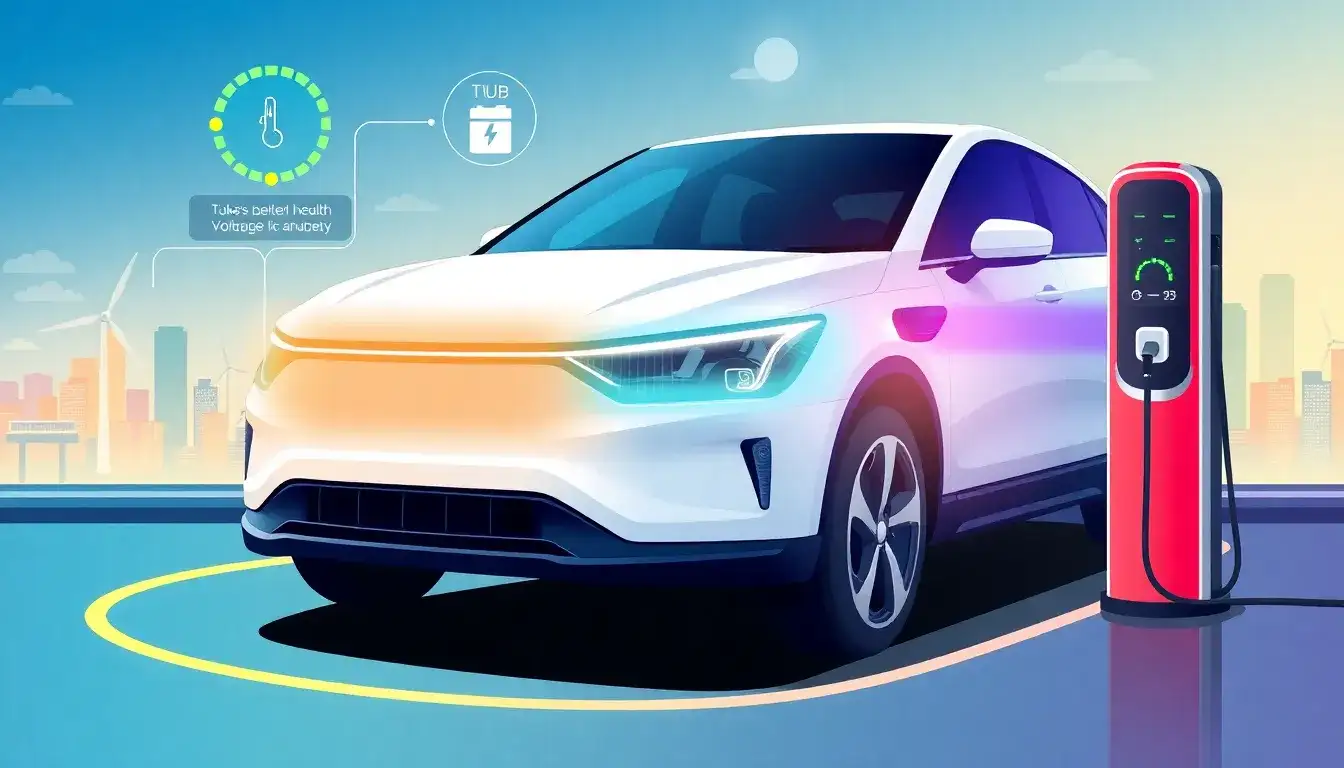
The best practices for minimizing battery degradation when using DC fast charging focus on limiting the frequency and managing related factors that accelerate wear on the battery. Key points include:
Limit Frequency of DC Fast Charging
- Avoid making DC fast charging a daily habit. It is preferable to use slower Level 1 (120V) or Level 2 (240V) charging at home for routine charging needs, reserving DC fast charging only for occasional or long-distance travel. Frequent use (more than 3 times per month) of DC fast charging significantly accelerates battery degradation, especially in hot climates.
Avoid Charging to 100%
- Charging lithium-ion batteries only up to around 80% State of Charge (SOC) is beneficial. Fully charging to 100% regularly stresses the battery chemistry and hastens degradation. Many EVs allow users to set a maximum charge limit to avoid full charging unless needed.
Maintain Moderate Battery Temperatures
- High battery temperatures caused by rapid charging currents increase chemical and mechanical stress on battery components. Parking in shade or garages when hot or cold and avoiding fast charging in extreme heat can help. EVs use thermal management systems to mitigate this, but limiting exposure to heat during fast charge sessions is still advisable.
Avoid Deep Discharge
- Keeping the battery above a certain level of charge prevents deep discharge, which can also harm battery longevity.
Original article by NenPower, If reposted, please credit the source: https://nenpower.com/blog/what-are-the-best-practices-for-minimizing-battery-degradation-when-using-dc-fast-charging/

