

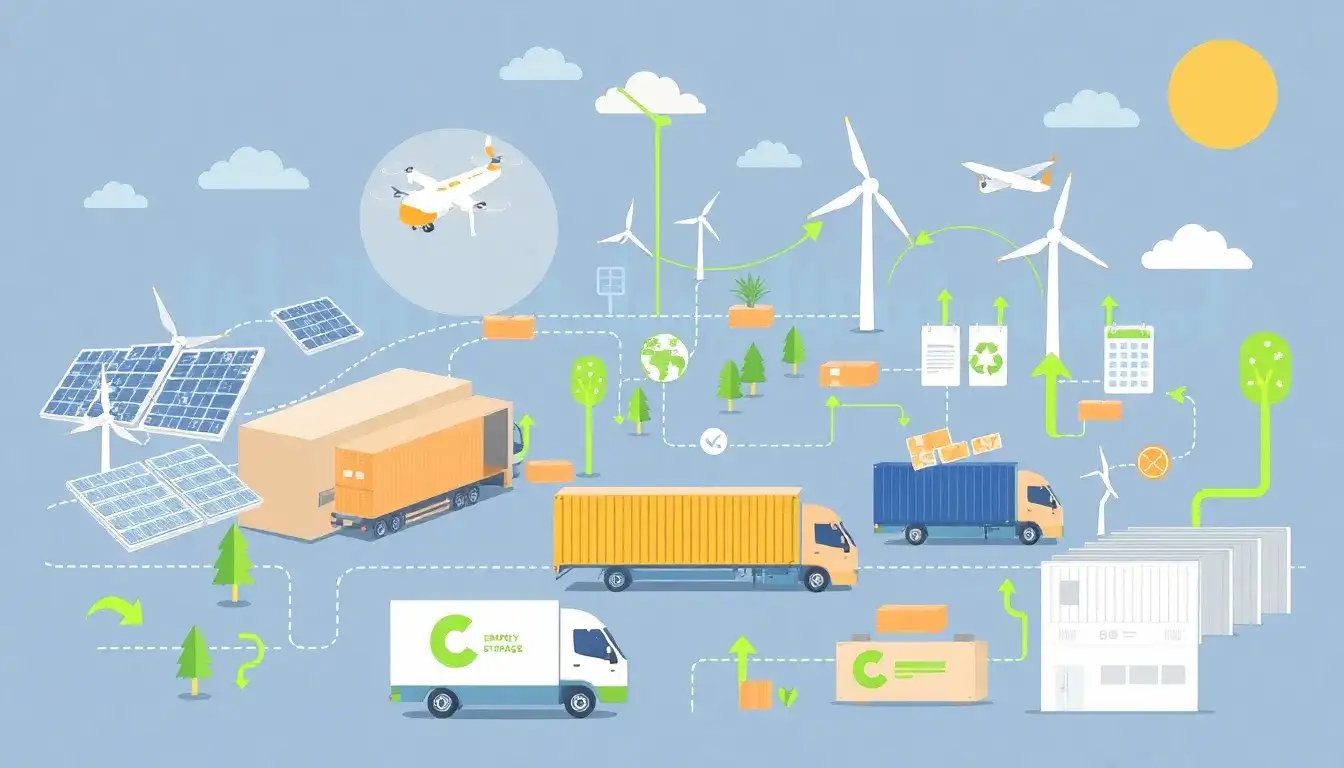
Best Practices for Managing Supply Chain Logistics in Energy Storage
1. Strategic Procurement and Contract Management
- Thorough Contract Review and Negotiation: Properly reviewing and negotiating contracts for BESS equipment procurement mitigates many buyer risks, such as supply delays or quality issues. Clear terms on delivery schedules, quality standards, and contingencies are essential to navigate the complex supply landscape effectively.
- Supplier Diversification: Avoid reliance on a single supplier or geographic source, especially for critical raw materials like lithium or cobalt, to reduce vulnerability to geopolitical or supply disruptions.
2. Enhancing Supply Chain Resilience
- Mapping and Understanding the Supply Chain: Know each step from raw material extraction to battery manufacturing. This visibility helps identify vulnerabilities and prepare for disruptions.
- Mitigate Risks from External Factors: Extreme weather, wildfires, and infrastructure challenges can disrupt supply chains. Incorporate flexible sourcing and inventory strategies to maintain continuity under such risks.
3. Implementing Smart Energy Management and Logistics Optimization
- Leverage Technology and Data Analytics: Use AI and automation to enhance visibility and control across the energy storage supply chain. Real-time monitoring optimizes resource allocation and responsiveness to changing conditions.
- Integrate Renewable Assets with Storage: Coordinate solar, wind, and storage assets to minimize peak demand charges and reduce operational costs. Store excess clean energy for use during high-price periods or supply chain operations requiring electricity.
4. Aligning with Sustainability and Regulatory Requirements
- Meet ESG and Energy Policy Goals: Adopt energy storage logistics that reduce fossil fuel dependency and support emission reduction mandates. Incorporate electric vehicle infrastructure and renewable energy integration to align business operations with sustainability objectives.
- New Revenue Streams: Enable participation in energy markets by storing excess renewable energy, thereby creating additional value beyond traditional supply chain functions.
5. Energy Efficiency in Logistics Operations
- Optimize Energy Use in Transportation and Warehousing: Utilize green logistics practices and energy-efficient equipment to reduce the carbon footprint and operating costs of supply chain activities.
Summary Table of Best Practices
| Practice | Description | Benefits |
|---|---|---|
| Strategic Procurement | Careful contract negotiation and supplier diversification | Risk mitigation, supply continuity |
| Supply Chain Mapping & Risk Management | Visibility into raw materials to finished products; plan for disruptions | Resilience and preparedness |
| Smart Energy Management | Use AI, automation, data analytics to optimize energy use and flow | Cost savings, operational efficiency |
| Renewable Integration & ESG Alignment | Coordinate storage with renewables; comply with energy policies and sustainability goals | Regulatory compliance, brand reputation |
| Energy Efficiency in Logistics | Implement green logistics and energy-saving measures in transport and warehousing | Reduced costs and emissions |
These practices collectively address the complexity of energy storage supply chains, safeguard against disruptions, optimize costs via smart management, and enable compliance with evolving environmental standards. This holistic approach ensures reliable, sustainable, and efficient supply chain logistics for energy storage projects.
Original article by NenPower, If reposted, please credit the source: https://nenpower.com/blog/what-are-the-best-practices-for-managing-supply-chain-logistics-in-energy-storage/

