

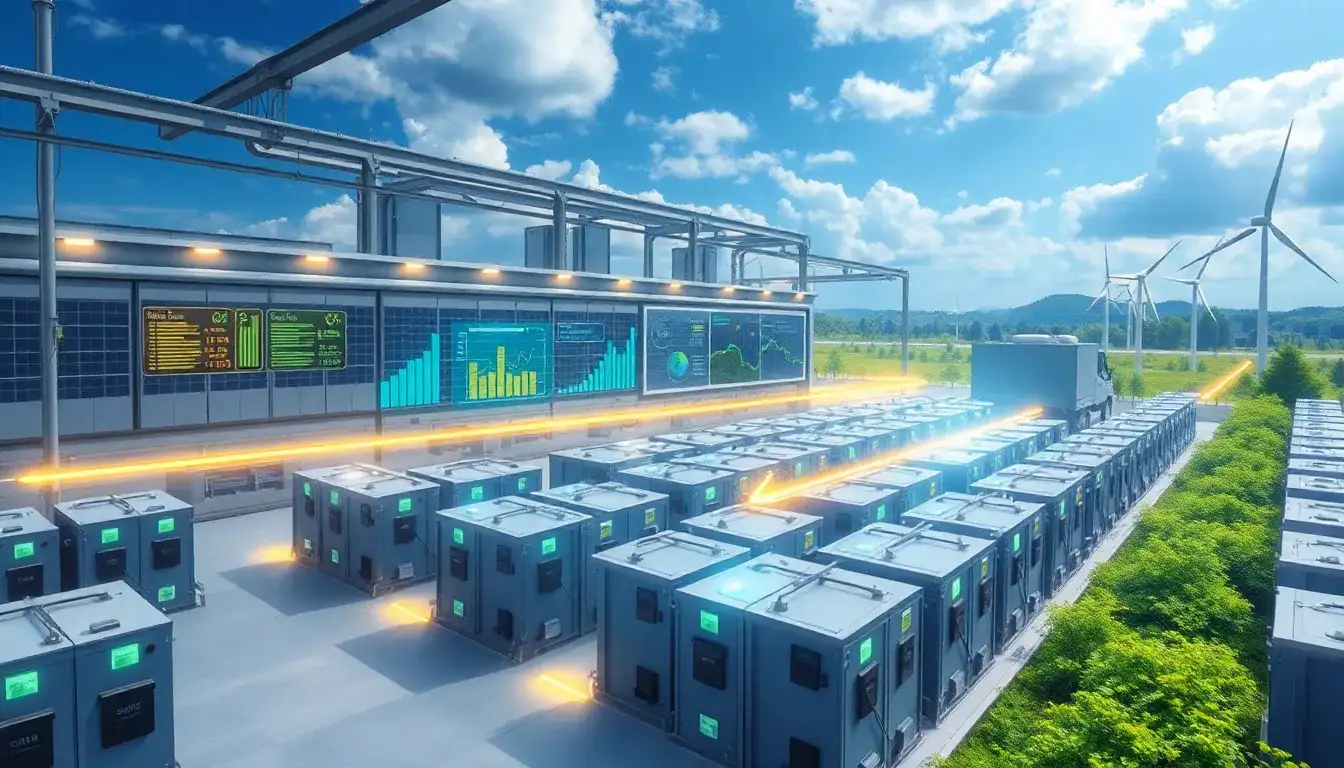
Managing the state of charge (SOC) in utility-scale energy storage systems (BESS) is crucial for optimizing their performance and lifespan. Here are some best practices for managing SOC:
Best Practices for SOC Management
- Optimization Algorithms:
- Use Advanced Software: Employ sophisticated software that can predict energy demand, generation patterns (especially for renewable resources), and grid conditions to optimize charging and discharging times.
- Real-Time Monitoring: Continuously monitor the SOC, power output, and input to ensure that the battery operates within a healthy range (usually between 10% to 90% SOC to avoid deep discharging or overcharging).
- Value Stacking:
- Multiple Services: Design systems to provide multiple services such as peak demand reduction, frequency regulation, and grid resilience. This allows the battery to maximize its utilization without frequently reaching extreme SOC levels.
- Prioritize Services: Prioritize services based on their urgency and reward structures (e.g., prioritize critical services like grid stability over less urgent ones like peak shaving).
- SOC-Based Scheduling:
- Dynamic Scheduling: Implement a dynamic scheduling system that adjusts based on the current SOC, forecasted demand, and renewable energy availability.
- Avoid Deep Cycles: Limit deep cycles (more than 80% discharge) to specific times when necessary, like during prolonged outages or grid emergencies.
- State of Charge Management Strategies:
- Restrictive SOC Windows: Specify optimal SOC windows (e.g., maintaining SOC between 50% and 80%) to ensure the system can meet sudden energy demands without fully discharging.
- Reserve Capacity: Maintain a reserve capacity for emergency situations to avoid exhausting the battery completely.
- Battery Health Monitoring:
- Regular Health Checks: Perform regular health checks and diagnostics on the battery cells to ensure that they operate within recommended specifications, adjusting SOC management strategies as needed.
- Integration with Renewable Energy Sources:
- Charge During Peak Generation: Optimize charging during peak renewable energy generation periods (e.g., mid-day solar power) to maximize the use of clean energy and reduce strain on the grid.
- Leverage Advanced Grid Technologies:
- AMI and Smart Grid Integration: Utilize advanced metering infrastructure (AMI) and smart grid technologies to better coordinate storage operations with grid conditions, optimizing charge/discharge cycles based on real-time data.
By implementing these strategies, utilities can extend the lifespan of their energy storage systems, optimize grid operations, and enhance overall energy efficiency while supporting renewable energy sources.
Original article by NenPower, If reposted, please credit the source: https://nenpower.com/blog/what-are-the-best-practices-for-managing-state-of-charge-in-utility-scale-energy-storage-systems/

