

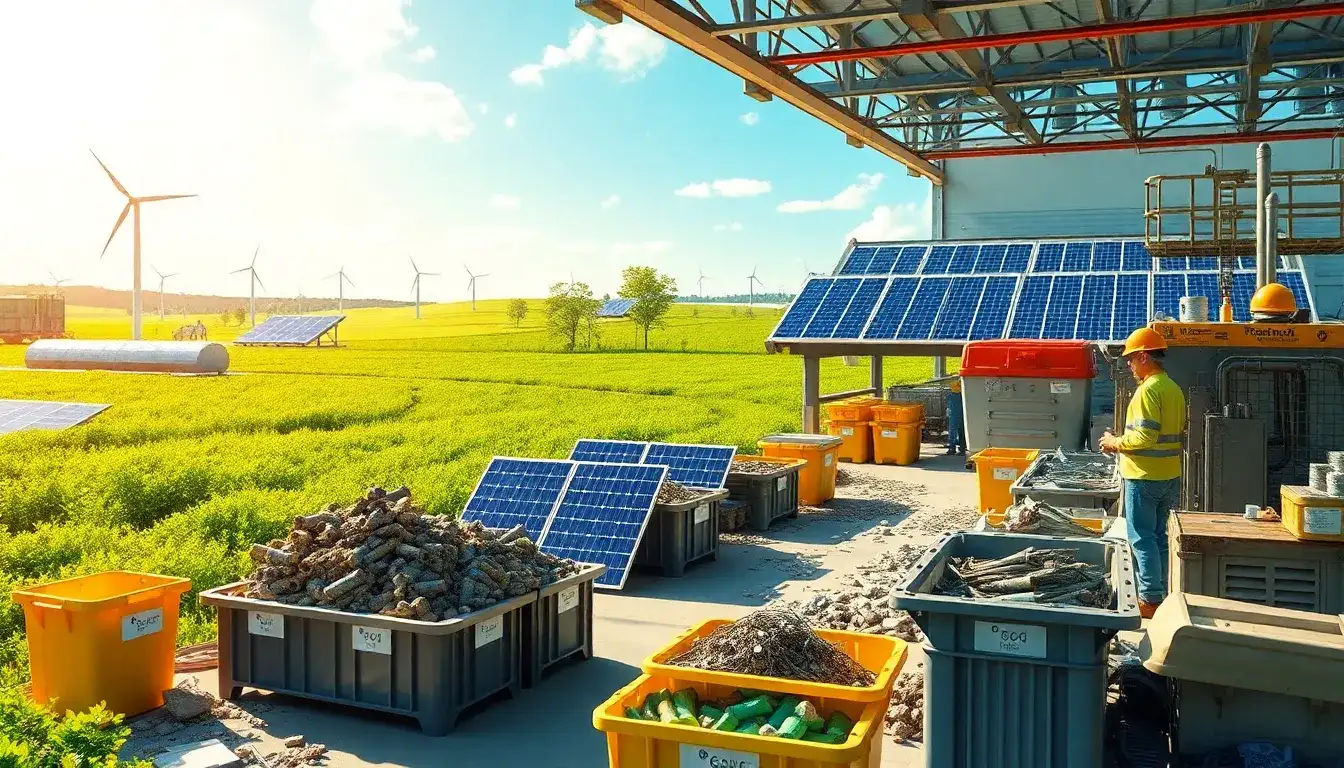
Best practices for managing solar panel waste at the end of their lifespan focus on environmental responsibility, regulatory compliance, and maximizing reuse and recycling to minimize waste impact. These practices are especially important as solar panels, typically designed to last 25 to 30 years, reach the end of their efficiency and require disposal or repurposing.
Key Best Practices for Managing End-of-Life Solar Panels
1. Proactive Planning and Lifecycle Management
- Plan for solar panel disposal well before panels fail, recognizing their typical 25-30 year lifespan.
- Develop strategies for decommissioning, recycling, or reuse to align with sustainability goals and regulations. This foresight helps minimize environmental impact and demonstrates commitment to renewable energy’s full lifecycle.
2. Reuse of Solar Panels
- Reuse or send solar panels off-site for reuse if they still function. Panels often remain capable of producing electricity, albeit at reduced efficiency.
- Reusing panels means they are not considered solid waste, thus avoiding certain hazardous waste regulations.
3. Recycling Solar Panels
- Solar panels contain valuable materials such as glass, aluminum, and semiconductor elements that should be recovered through recycling instead of landfill disposal.
- Utilize certified recycling centers specifically accepting solar panels or manufacturer takeback programs for responsible recycling.
- Legitimate recycling includes reclamation and reuse of parts, preventing hazardous materials from entering the environment.
- Businesses must move solar panels off-site to recycling within regulatory timeframes (e.g., within 180 days in some jurisdictions) to comply with waste accumulation rules.
4. Regulatory Compliance and Disposal
- Consult state and local recycling agencies to ensure disposal or recycling methods comply with current regulations. Regulations may vary by location and type of solar panel ownership (residential vs. commercial).
- Some solar panel waste qualifies for household hazardous waste exclusion, allowing recycling or landfill disposal with approval; otherwise, panels must be managed as electronic or hazardous waste under interim policies.
5. Handling Broken Panels and Related Electronic Waste
- Broken or damaged solar panels should be separated and recycled carefully to recover materials and prevent contamination.
- Managing associated electronic waste and components (e.g., wiring, inverters) through proper e-waste recycling channels supports overall responsible waste management.
Summary
Managing solar panel waste best practices involves:
- Early planning based on panel lifespan
- Prioritizing reuse to extend panel life
- Recycling to recover valuable materials and prevent pollution
- Following appropriate hazardous waste and e-waste regulations
- Working with specialized recyclers and manufacturers’ takeback programs
- Engaging with local authorities for compliant disposal pathways
These steps collectively reduce environmental impact and support the sustainability of solar energy systems throughout their lifecycle.
Original article by NenPower, If reposted, please credit the source: https://nenpower.com/blog/what-are-the-best-practices-for-managing-solar-panel-waste-at-the-end-of-their-lifespan/

