

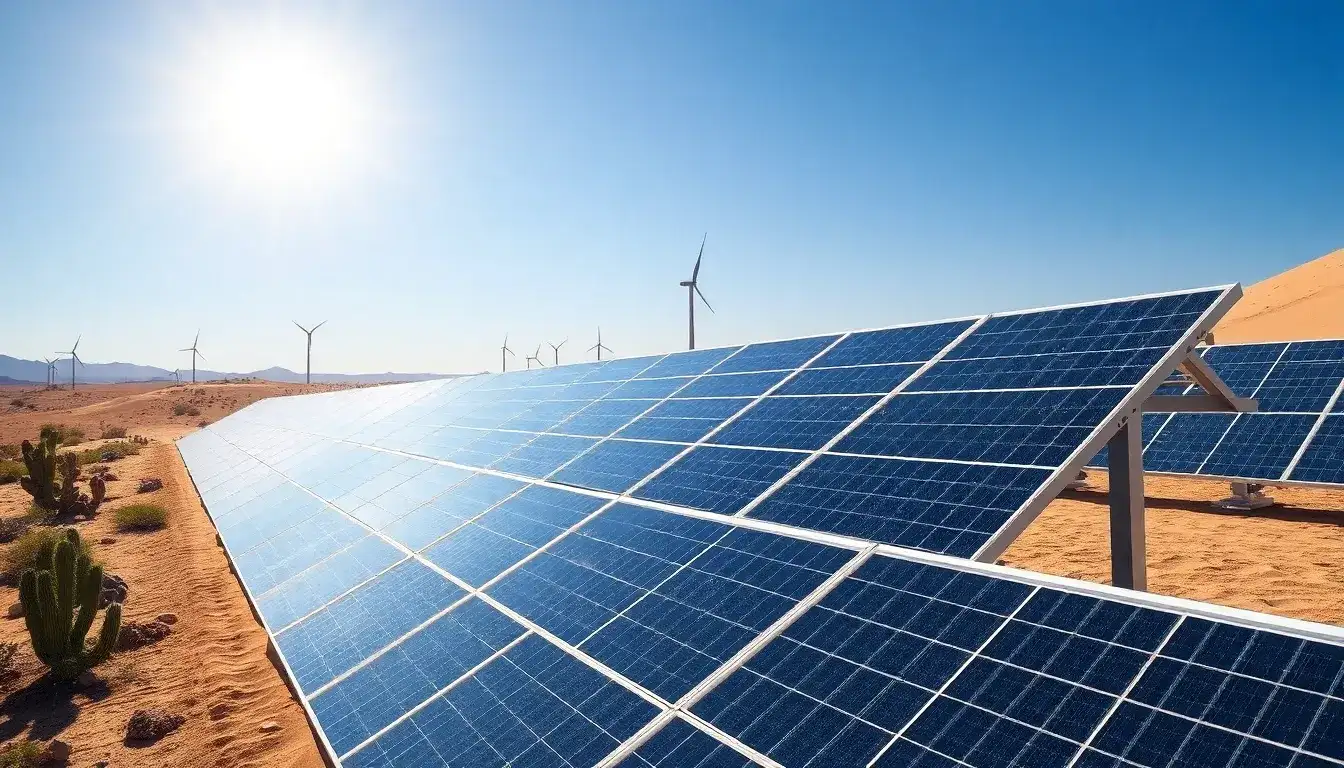
Best Practices for Cooling Solar Panels
1. Choose High-Efficiency Solar Panels
- Selection Criteria: Opt for panels with better temperature coefficients, such as those made from single crystal or double-sided cells. These panels maintain higher efficiencies at high temperatures.
2. Optimize Panel Orientation and Tilt
- Direction and Angle: Position panels slightly to the east or west to avoid direct noon sunlight, which can cause excessive heat buildup. Adjust the tilt angle for better airflow.
3. Ensure Sufficient Ventilation
- Installation Technique: Ensure enough space between the panel and the installation surface for air circulation. Ground-mounted systems or inclined installations can improve airflow under panels.
4. Use Reflective Coatings
- Heat Reduction: Apply heat reflective coatings on the back of panels to reduce heat absorption. This can increase energy production by reflecting excess sunlight.
5. Implement Active Cooling Systems
- Cooling Methods: Water-based cooling systems (like spraying or drip irrigation) or air cooling systems with fans can effectively dissipate heat and maintain optimal operating temperatures.
6. Regular Maintenance and Cleaning
- Preventative Measures: Regularly inspect and clean panels to remove dust and debris that can diminish efficiency. Use water and soft brushes for cleaning.
7. Passive Cooling Techniques
- Natural Ventilation: Utilize elevated mounting systems or slotted mounts to enhance natural airflow under panels. This can reduce panel temperatures by 2-4°C.
8. Strategic Placement
- Shade Management: Optimize panel placement to minimize shading from obstacles like trees or buildings. Trim branches or use shading structures if necessary.
Technologies for Future Consideration
- Thermally Conductive Backsheets: These improve heat dissipation through better material design.
- Phase-Change Materials: These absorb excess heat during the day and release it at night.
- Integrated Cooling Systems: Combine different cooling methods (air and water) for enhanced efficiency.
Original article by NenPower, If reposted, please credit the source: https://nenpower.com/blog/what-are-the-best-practices-for-cooling-solar-panels-in-hot-climates/

