

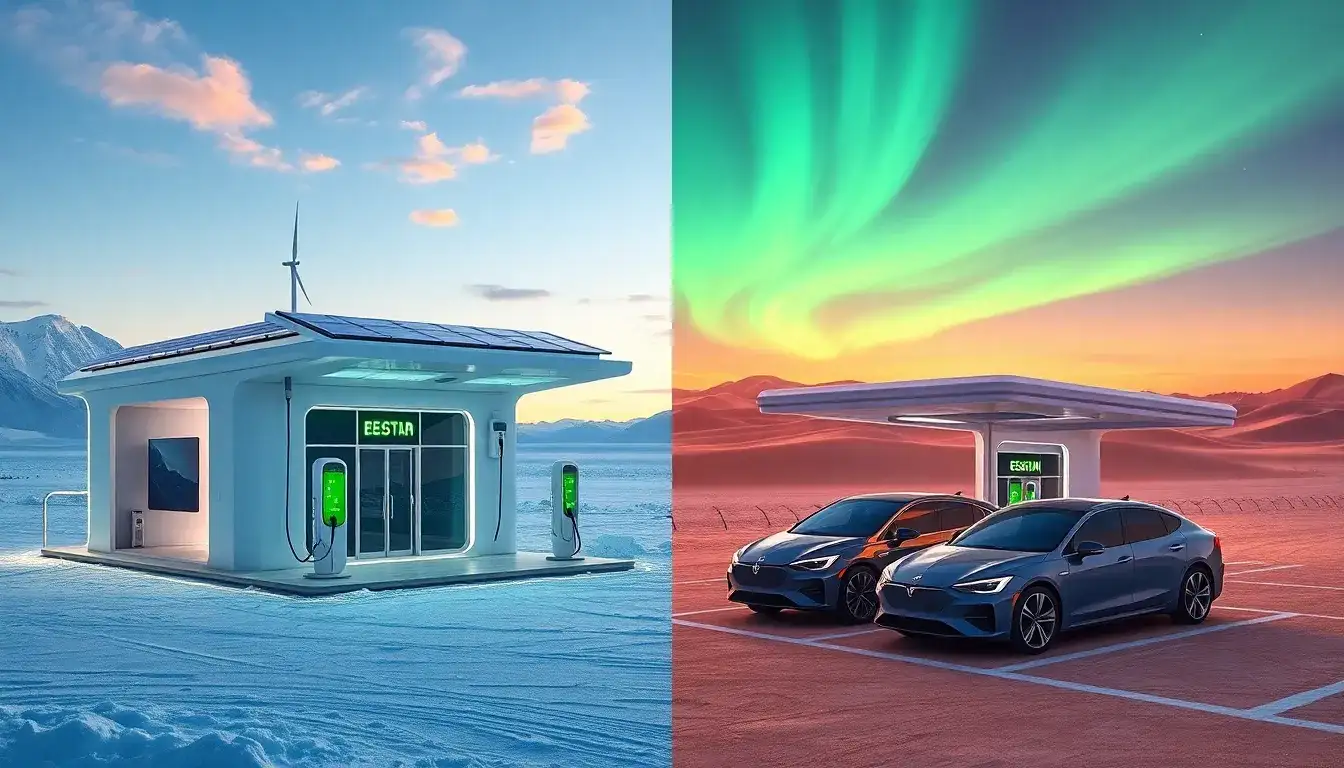
Charging in Hot Weather
1. Charge During Cooler Hours
- Time Management: Charge your EV during cooler parts of the day, like early morning or late evening, to avoid excessive heat that can slow down charging.
- Utility Bills: Charging at off-peak hours can also save on electricity costs by avoiding surcharges during peak demand times.
2. Monitor Battery Health
- Temperature and SOC Monitoring: Use your vehicle’s built-in systems to monitor battery temperature and state of charge. Avoid overheating, as it can trigger thermal throttling, which slows charging to prevent damage.
- Avoid Full Charges: In hot weather, charge up to 80% instead of full capacity to reduce stress on the battery and limit internal resistance.
3. Optimize Charging Speeds
- Level of Charging: Use Level 1 and Level 2 chargers when possible, as they generate less heat compared to fast-charging Level 3 DC chargers, which can cause rapid heating.
- Slow Charging: Slower charging is generally easier on the battery and can prevent overheating issues.
4. Environmental Measures
- Parking Locations: Park your vehicle in a garage or under shade to keep it cooler. This reduces heat stress on the battery and improves charging efficiency.
- Shaded Charging Stations: Encourage or use charging stations designed with shade canopies, solar PV canopies, or vegetation to keep the vehicle cooler during charging.
Other Considerations
- Pre-conditioning: For both hot and cold weather, use pre-conditioning features while the vehicle is plugged in to regulate interior temperature and optimize battery health.
- Energy-Efficient Driving: Drive at lower speeds to boost range, and use economy modes if available.
These practices help maintain EV performance and battery health in extreme climates.
Original article by NenPower, If reposted, please credit the source: https://nenpower.com/blog/what-are-the-best-practices-for-charging-evs-in-extreme-climates/

