

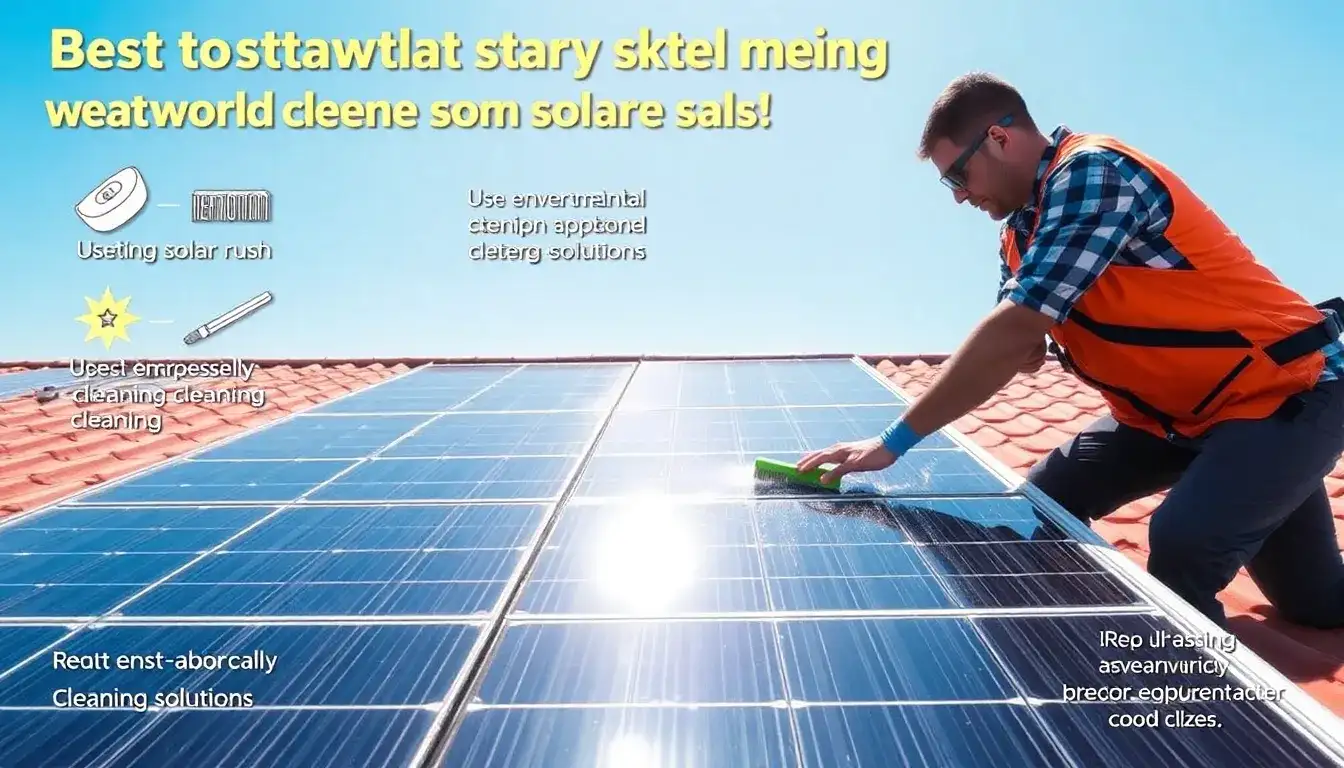
The best methods for cleaning solar panels without damaging them
The best methods for cleaning solar panels without damaging them focus on gentle, non-abrasive techniques that preserve the panel surface and avoid harsh chemicals or high water pressure. Here are the most effective and safe approaches:
Recommended Cleaning Methods
- Rinse with Low-Pressure Water
Use a garden hose or low-pressure washer to rinse off loose dust and dirt. Avoid high-pressure water jets, which can scratch or damage the panels. - Mild Soap and Water Solution
Mix clean, lukewarm water with a mild, biodegradable soap (like dish soap). Gently scrub panels using a soft sponge or a soft-bristle brush with a long handle to avoid climbing on the roof. Avoid abrasive brushes or harsh chemicals like bleach or ammonia that can degrade the solar cells or their surface. Rinse thoroughly with water and, optionally, remove excess water with a squeegee to prevent water spots. - Professional Cleaning Services
For safety and optimal results, especially on rooftop systems, consider hiring professionals who use specialized equipment, including deionized water and soft brushes. They ensure a thorough clean without damaging the panels and minimize risk to the cleaner. - Avoid Walking on Panels
Walking on solar panels can physically damage or crack the glass, reducing efficiency. Clean them from the ground using long-handled tools whenever possible.
Innovative and Alternative Methods
- Robotic Cleaners
Automated robots using soft microfiber brushes and gentle airflow clean large solar installations without water, reducing damage risks and labor. - Waterless Cleaning Technologies
Research at MIT and elsewhere has developed waterless systems using electrostatic repulsion to remove dust without physical contact or water, potentially improving cleaning in arid regions while preventing panel scratching. - Nanoparticle or Hydrophobic Coatings
Applying special transparent coatings can repel dust and dirt, keeping panels cleaner longer and enhancing efficiency. These coatings can be combined with periodic gentle cleaning.
Important Considerations
- Frequency of Cleaning
Panels generally need cleaning once or twice a year, but dusty, polluted, or dry environments may require more frequent maintenance. - Timing
Avoid cleaning panels during the hottest part of the day or when panels are hot, as sudden temperature changes can cause stress. Early morning or late afternoon is preferable. - Water Temperature
Use lukewarm water; very hot or cold water can damage panels. - Avoid Abrasive Tools and Chemicals
Never use rough brushes, abrasive scrapers, or harsh chemical cleaners. These can cause scratches or chemical damage, reducing solar panel efficiency.
Summary Table of Best Practices
| Method | Description | Why It’s Safe |
|---|---|---|
| Low-pressure water rinse | Gentle hose rinse to remove loose dirt | Avoids scratching and physical damage |
| Mild soap with soft sponge/brush | Use biodegradable soap with gentle scrubbing | Prevents residue and chemical damage |
| Professional cleaning | Experts use specialized tools and safety harness | Reduces risk and ensures thoroughness |
| Robotic cleaning | Automated soft brushes and airflow | Minimizes physical contact and labor |
| Waterless electrostatic cleaning | Electrostatic dust removal developed by MIT | No water or contact to damage panels |
| Hydrophobic/nanoparticle coatings | Coatings to repel dust and dirt | Keeps panels cleaner longer |
Following these cleaning guidelines ensures your solar panels stay efficient without risk of damage, prolonging their lifespan and maximizing energy output. Gentle, regular maintenance tailored to your local environment is the key.
Original article by NenPower, If reposted, please credit the source: https://nenpower.com/blog/what-are-the-best-methods-for-cleaning-solar-panels-without-damaging-them/

