

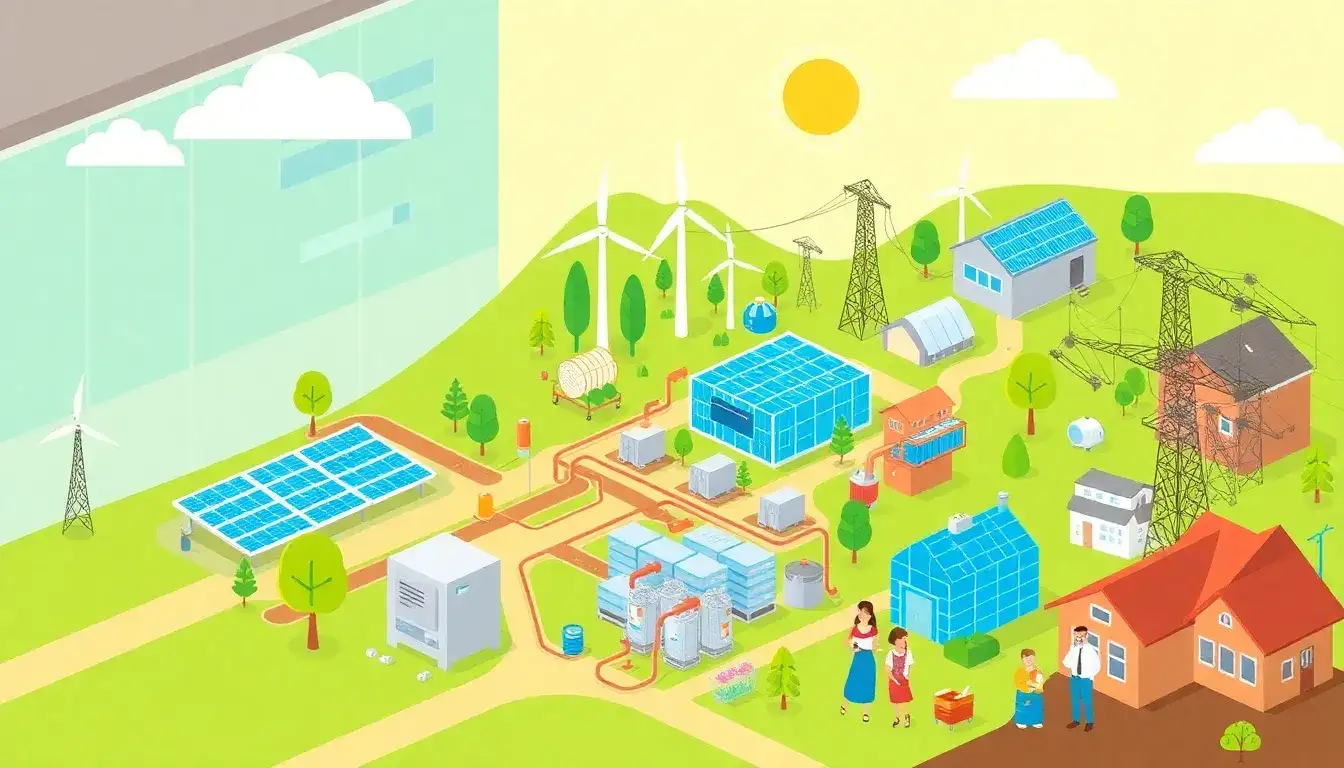
Utilities owning energy storage assets enjoy several key benefits that enhance grid performance, reduce costs, and support renewable energy integration.
Key Benefits of Utilities Owning Energy Storage Assets
1. Cost Savings and Reduced Electricity Costs
Energy storage allows utilities to store electricity when prices are low and discharge it back to the grid when demand and prices peak, thereby lowering wholesale demand and energy costs. This arbitrage capability can translate into significant savings for utilities and consumers alike. For instance, Texas saw an estimated $750 million in energy cost savings during the summer of 2024 thanks to energy storage deployments. Additionally, storage assets can reduce or avoid costly power outages, limit exposure to volatile fuel prices, and defer expenses related to transmission upgrades by acting as a Non-Wires Alternative.
2. Increased Grid Reliability and Capacity
Battery storage assets improve the reliability of the electrical grid by providing backup power during outages and by “firming” renewable resources such as solar. They can instantly respond to fluctuations in power supply and demand, enhancing grid stability. Storage also increases overall grid capacity by delivering stored electricity during peak demand periods and offering services like frequency regulation and voltage support.
3. Enhanced Integration of Renewable Energy
Storage plays a crucial role in maximizing the use of renewable energy sources by storing excess energy generated during periods like sunny days and releasing it when generation is low or demand is high. This reduces reliance on fossil fuels and enables utilities to provide more affordable, clean energy to customers. Co-locating solar and storage systems can improve efficiency and cost-effectiveness of both.
4. Economic and Community Benefits
Energy storage projects help strengthen local economies by creating jobs in development, construction, and maintenance. They also generate significant tax revenues and land lease payments — over $580 million annually in some regions — which benefit local communities.
5. Operational Flexibility and Grid Services
Beyond energy arbitrage and reliability benefits, energy storage assets offer utilities operational flexibility including frequency response, emergency power supply (black start capability), and the ability to relieve grid congestion instantaneously. These capabilities make energy storage a versatile and valuable grid asset.
In summary, utilities owning energy storage assets gain from cost reductions, improved reliability and capacity, better renewable integration, local economic benefits, and enhanced operational flexibility—making storage a strategic resource for modern electricity grids.
Original article by NenPower, If reposted, please credit the source: https://nenpower.com/blog/what-are-the-benefits-of-utilities-owning-energy-storage-assets/

