

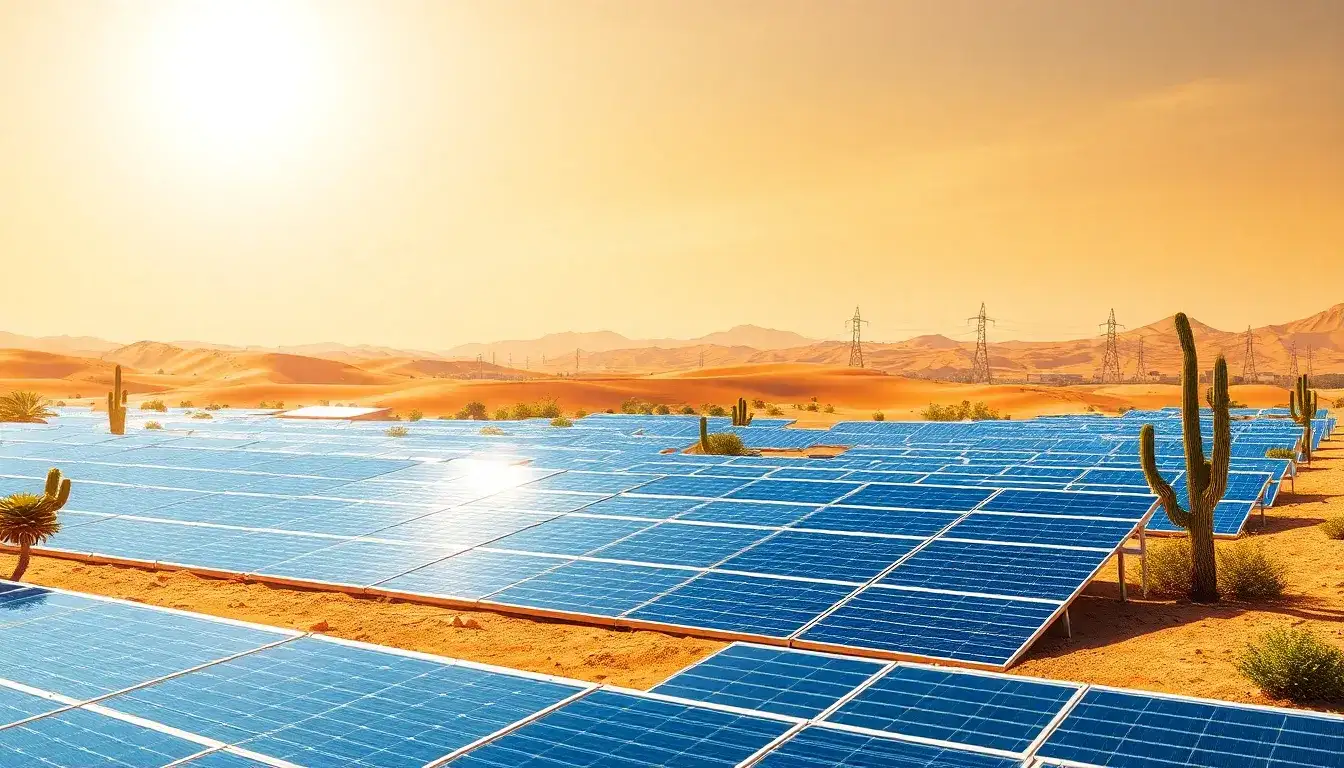
Thin-film solar panels offer several significant benefits for use in high-temperature regions, making them a preferable option over traditional crystalline silicon (c-Si) panels in such climates.
Key Benefits of Thin-Film Solar Panels in High-Temperature Regions
1. Superior High-Temperature Performance
Thin-film solar panels, particularly those made from materials like Cadmium Telluride (CdTe) and Copper Indium Gallium Selenide (CIGS), have a lower temperature coefficient compared to crystalline silicon panels. This means their efficiency drops less as temperature rises. For example:
- Crystalline silicon panels typically lose about 0.45% efficiency per degree Celsius increase over 25°C.
- CdTe and CIGS thin-film panels lose about 0.3% per degree Celsius, making them more efficient in hot environments.
Because the performance degradation due to heat is less severe, thin-film panels maintain higher energy output during extreme temperatures typical in desert or tropical regions.
2. Reduced Thermal Losses Due to Thin Cell Structure
Thin-film solar cells are much thinner than c-Si cells, which allows heat to dissipate more quickly. A higher surface area-to-volume ratio helps vent excess heat better, thus keeping the cell temperature lower and closer to optimal operating conditions. This characteristic enhances their durability and sustained performance in hot climates.
3. Higher Resistance to Degradation
Thin-film technologies generally degrade slower over time compared to conventional silicon modules. This longevity ensures that their energy output remains more stable despite temperature stresses and environmental conditions, offering a better return on investment in harsh climates.
4. Cost-Effectiveness and Material Efficiency
Thin-film panels require less raw material for manufacturing, which reduces production costs. Their lighter weight and flexibility also simplify installation and reduce structural support expenses, translating into overall cost savings, especially in large-scale or remote installations characteristic of hot regions.
5. Versatility and Application Flexibility
Their thin and lightweight properties make thin-film panels suitable for varied surfaces, including curved or non-traditional rooftops, vehicles, and building-integrated photovoltaics (BIPV). This adaptability expands viable deployment options even in extreme environments where traditional panels might be harder to install or maintain.
6. Better Performance in Diffuse and Low-Light Conditions
While not directly related to temperature, thin-film solar panels’ ability to perform well in low light complements their use in regions where weather can fluctuate, contributing to more consistent year-round energy generation.
Summary Table of Advantages in High-Temperature Regions
| Feature | Thin-Film Solar Panels | Crystalline Silicon Panels |
|---|---|---|
| Efficiency loss per °C above 25°C | ~0.3% | ~0.45% |
| Heat dissipation | Better due to thinner cells | Lower, thicker cells retain heat |
| Degradation rate | Lower | Higher |
| Installation flexibility | High (flexible, lightweight) | Lower (rigid, heavier) |
| Cost | Generally lower production and installation cost | Higher material and installation costs |
| Suitability for high temps | Very good | Good but efficiency drops more |
Conclusion
Thin-film solar panels provide distinct benefits for high-temperature regions due to their lower sensitivity to heat, better thermal management, and slower degradation rates. These advantages enable more consistent and efficient solar energy production in hot climates, such as deserts or tropical areas, where crystalline silicon panels tend to suffer more pronounced efficiency losses. Additionally, their flexibility and cost-effectiveness make them a strong candidate for diverse applications in challenging environmental conditions.
This makes thin-film solar technology a strategic choice for sustainable solar power generation in areas with extreme heat, aligning well with the needs of regions like Arizona, India, the Middle East, and parts of Africa.
Original article by NenPower, If reposted, please credit the source: https://nenpower.com/blog/what-are-the-benefits-of-using-thin-film-solar-panels-in-high-temperature-regions/

