

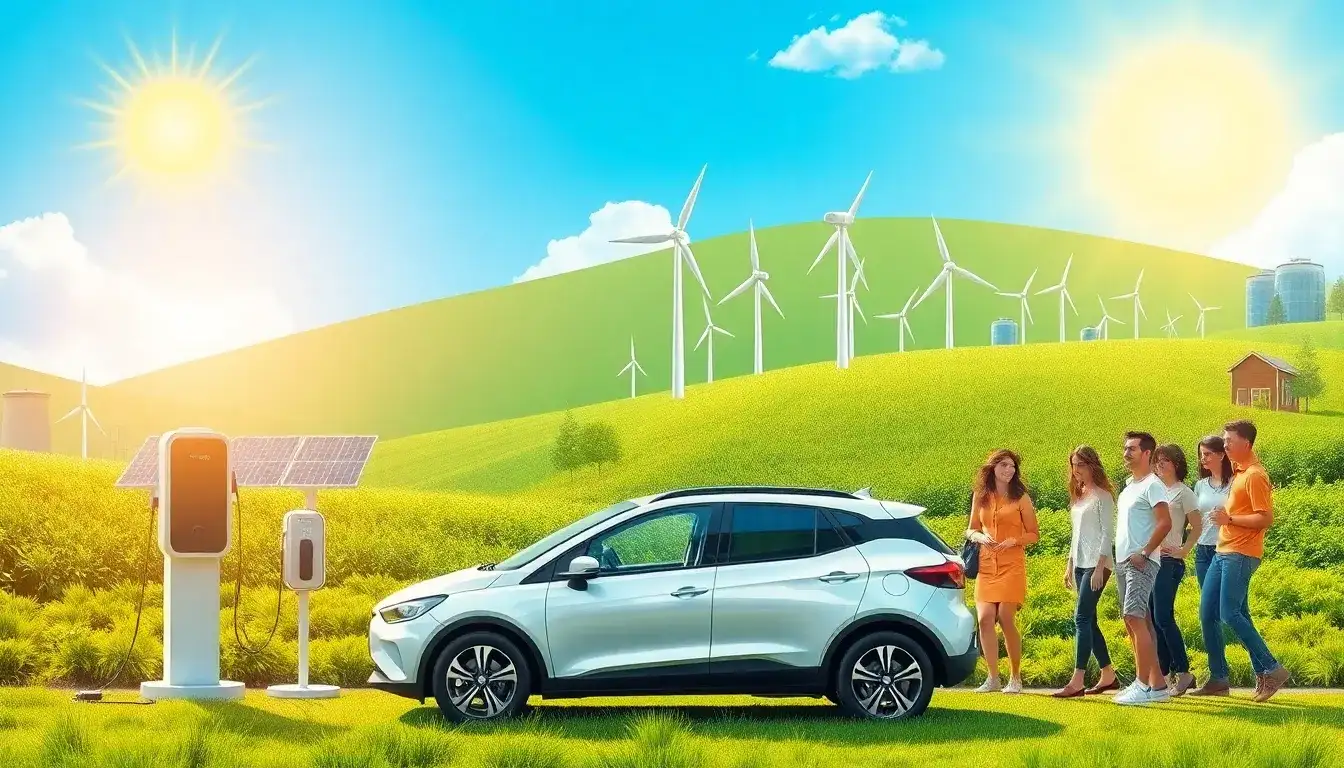
Using renewable energy to charge electric vehicles (EVs) offers multiple significant benefits spanning environmental, economic, and energy security aspects:
Environmental Benefits
- Lower Greenhouse Gas Emissions: Charging EVs with renewable energy sources such as solar or wind substantially reduces or even eliminates carbon dioxide and other harmful emissions compared to charging from fossil fuel-based grids, resulting in much cleaner transportation.
- Reduced Pollution: Since renewables produce electricity without burning fossil fuels, using them for EV charging cuts overall air pollution and contributes to healthier ecosystems and communities.
- Supports Cleaner Grid Transition: Integrating renewables directly into EV charging infrastructure helps lessen the demand on traditional power grids, reducing strain and pollution from peak fossil generation.
Economic Benefits
- Cost Savings on Fuel: Utilizing solar panels or other renewables to generate electricity for EV charging reduces or eliminates the cost of purchasing electricity from the grid. For many drivers, this translates to significant annual savings, sometimes hundreds of dollars per year.
- Potential Revenue Through Net Metering: Excess solar energy generated can often be sold back to the grid, providing additional financial benefits, depending on local policies.
- Tax Credits and Incentives: Federal and local incentives for solar installations and EV purchases can lower upfront costs, making renewable-powered EV charging more affordable.
Energy Independence and Reliability
- Reduced Grid Reliance: By generating your own renewable electricity to charge EVs, you become less dependent on the grid, gaining more control over your energy use and costs.
- Backup Power Potential: EV batteries paired with solar energy systems can provide emergency backup power during outages, increasing resilience for homes and businesses.
- Smart Charging and Storage Synergy: Combining renewables with smart charging infrastructure and local battery storage reduces grid demand during peak periods and optimizes green energy use for EVs, improving overall system efficiency.
In summary, charging EVs with renewable energy significantly cuts carbon emissions, lowers pollution, reduces fuel costs, enhances energy independence, and can even increase resilience during power outages. This synergy supports a cleaner, more sustainable, and economically beneficial transportation future.
Original article by NenPower, If reposted, please credit the source: https://nenpower.com/blog/what-are-the-benefits-of-using-renewable-energy-to-charge-evs/

