

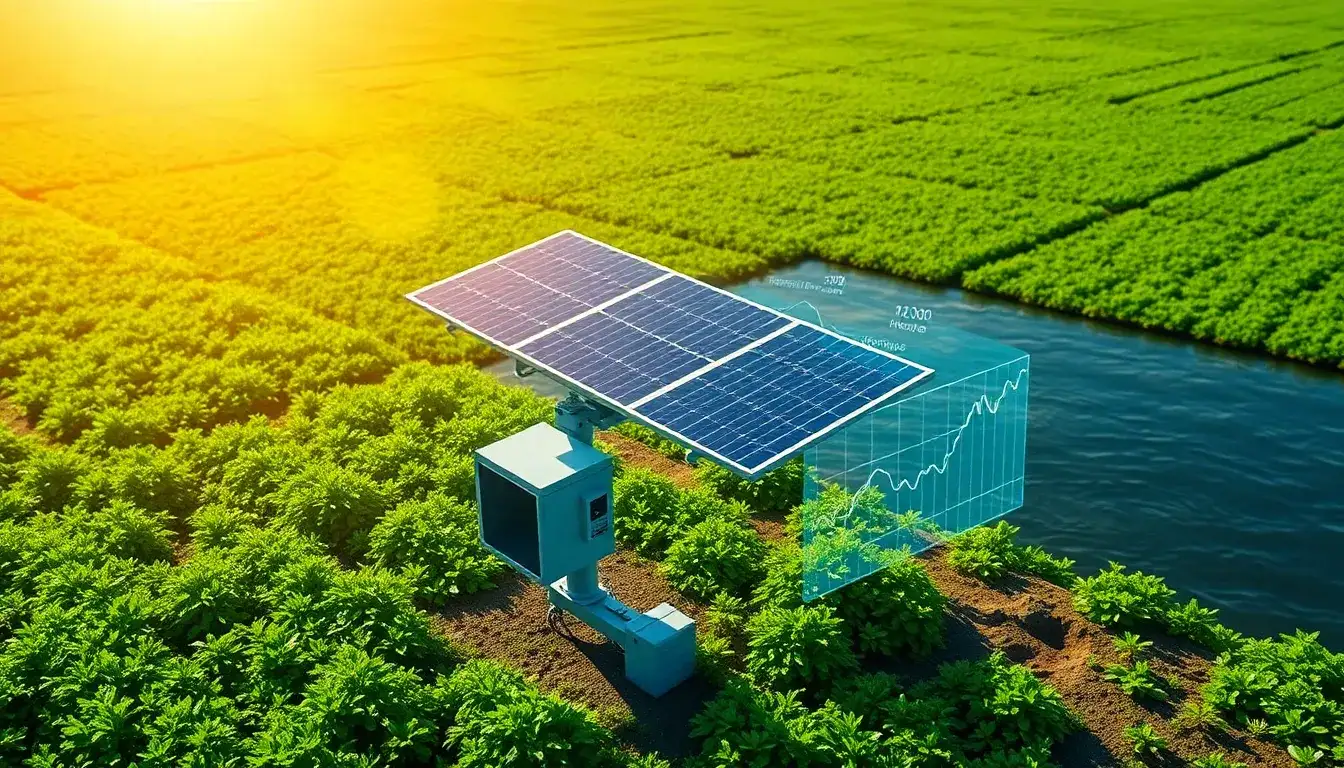
Flood sensors in solar trackers provide critical safety and operational advantages, particularly in flood-prone areas:
1. Damage prevention through automatic stowing
When water levels rise, flood sensors trigger trackers to stow panels in a raised position, keeping critical electrical components above floodwaters. This prevents submersion-related damage and maintains structural integrity.
2. Increased system resilience
Trackers with elevated post heights and flood sensors proactively anticipate rising water levels, ensuring continued operation within safe movement ranges. This design consideration is crucial for projects in floodplains or areas prone to heavy rainfall.
3. Operational continuity
By automatically responding to flooding threats, these systems reduce downtime while protecting power generation assets. Recent advancements integrate flood sensors with real-time weather monitoring systems, enabling predictive responses to extreme weather.
4. Safety prioritization
Flood control measures work in conjunction with other safety protocols, such as wind stow algorithms, ensuring trackers prioritize multiple environmental threats effectively. This layered protection approach minimizes both hardware damage and risks to surrounding areas.
These implementations demonstrate how sensor-driven automation enhances solar infrastructure’s ability to handle climate-related challenges while maintaining energy production.
Original article by NenPower, If reposted, please credit the source: https://nenpower.com/blog/what-are-the-benefits-of-using-flood-sensors-in-solar-trackers/

