

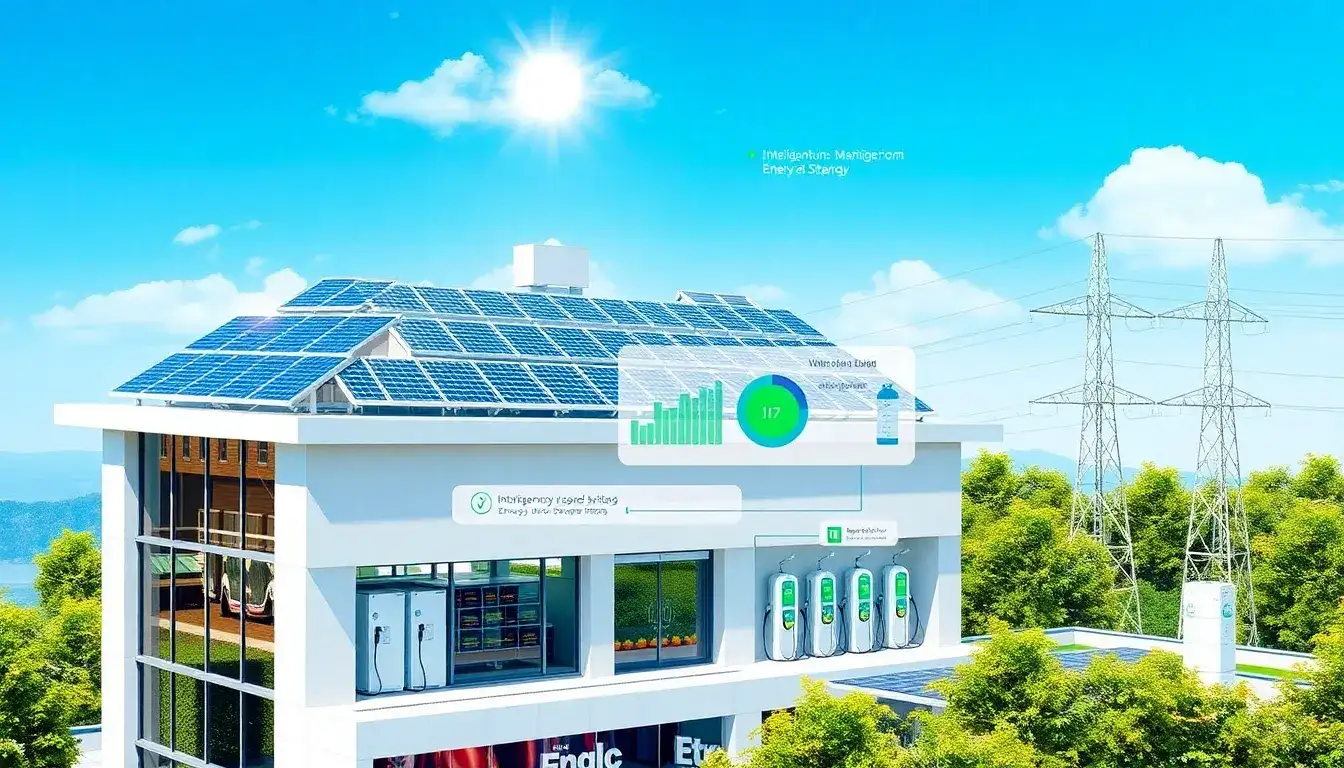
Implementing energy storage systems in commercial buildings offers numerous benefits, ranging from cost savings to environmental sustainability. Here are some of the key advantages:
Benefits of Energy Storage Systems
1. Cost Savings
- Peak Demand Reduction: Energy storage systems help reduce peak demand charges by storing energy during off-peak hours and using it during peak times, thus lowering electricity bills significantly.
- Energy Arbitrage: Businesses can buy electricity when prices are low and use or sell it when prices are high, leveraging price fluctuations to maximize savings.
2. Operational Reliability
- Backup Power: In the event of grid outages, energy storage systems provide reliable backup power, ensuring business continuity and minimizing operational disruptions.
- Grid Stability: By balancing supply and demand, these systems contribute to overall grid stability.
3. Environmental Sustainability
- Renewable Integration: Energy storage enables greater utilization of renewable energy sources by storing excess energy for later use.
- Reduced Carbon Footprint: This integration reduces reliance on fossil fuels, contributing to a more sustainable energy mix.
4. Resilience and Asset Value
- Increased Property Value: Buildings with energy storage systems often have higher property values due to enhanced energy efficiency and resilience.
- Community Resilience: Energy storage enhances community resilience by providing backup power during emergencies.
5. Financial Incentives
- Tax Incentives and Rebates: Many governments offer tax incentives and rebates that lower upfront costs and improve the return on investment for energy storage systems.
Overall, energy storage systems are a strategic investment for commercial buildings, offering both immediate cost savings and long-term sustainability benefits.
Original article by NenPower, If reposted, please credit the source: https://nenpower.com/blog/what-are-the-benefits-of-using-energy-storage-systems-in-commercial-buildings/

