

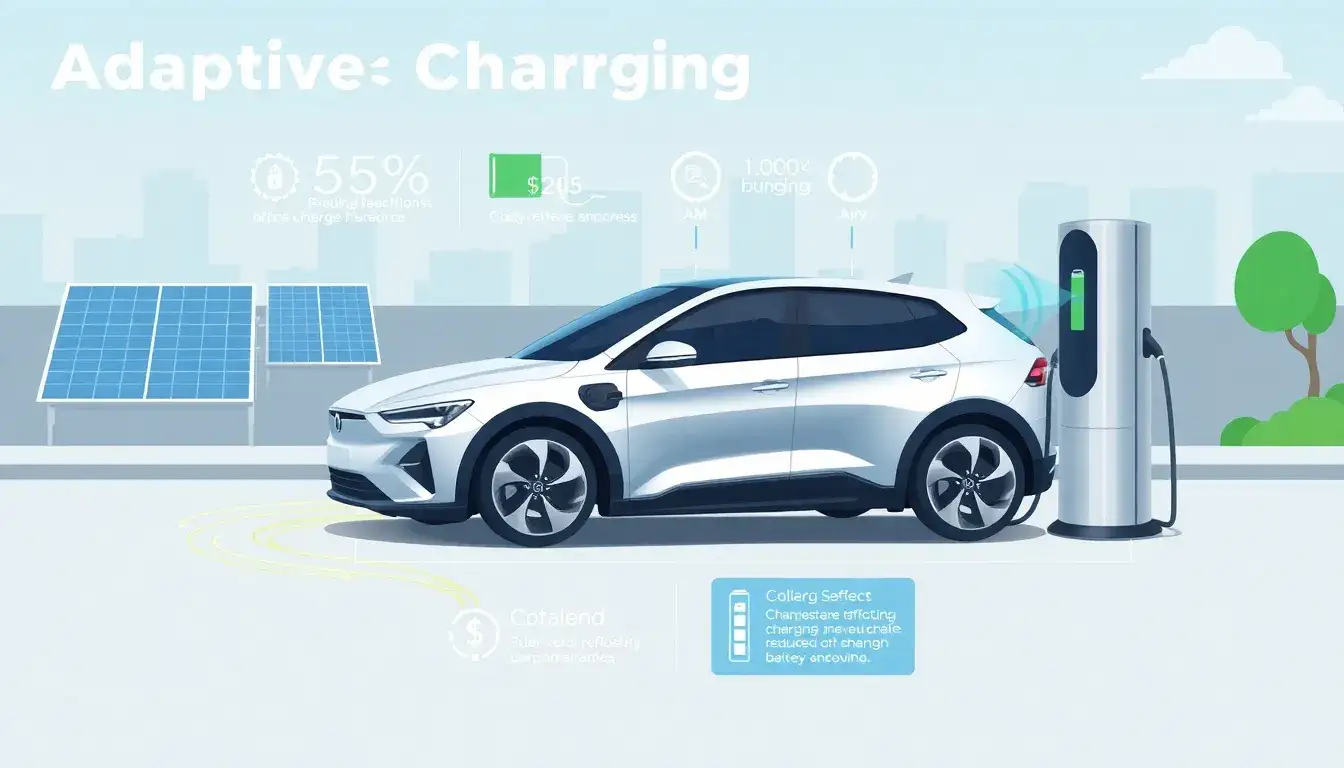
Adaptive charging technology in car chargers offers multiple significant benefits, particularly for electric vehicle (EV) battery health, charging efficiency, user convenience, and environmental impact.
Key Benefits of Adaptive Charging Technology
1. Enhanced Battery Health and Longevity
Adaptive charging optimizes the charging process by intelligently adjusting charge rates and voltages based on the battery’s real-time condition, temperature, state of charge, and usage patterns. This precise control helps maintain the battery within its optimal operating range, significantly reducing stress on battery cells and mitigating degradation. As a result, the battery’s overall lifespan and state of health are improved, ensuring better performance over time.
2. Improved Charging Efficiency and Energy Use
By continuously monitoring parameters such as ambient conditions and battery temperature, adaptive charging algorithms tailor the charging profile for maximum efficiency. This reduces energy waste and allows for more effective use of the electricity supplied, which can extend the EV’s driving range and reduce overall energy consumption.
3. User Convenience and Flexibility
Adaptive charging systems can integrate user preferences, such as desired charge level and schedule, balancing convenience with optimal battery care. For example, smart charging platforms allow drivers to specify how much energy they need and their anticipated parking duration. This flexibility helps alleviate “range anxiety” by ensuring the vehicle is sufficiently charged when needed while optimizing the charging process around real-world usage.
4. Support for Electric Grid and Infrastructure
Adaptive charging technologies, particularly those implementing Adaptive Load Management (ALM), intelligently manage power distribution among multiple vehicles and charging stations. They can prioritize charging based on driver needs and available grid capacity, enabling more EV chargers to be installed without the need for costly electrical infrastructure upgrades. This also helps maintain grid stability by balancing load dynamically and efficiently.
5. Environmental Sustainability
By optimizing energy use and reducing charging-related losses, adaptive charging contributes to lower carbon emissions associated with electricity consumption. This aligns with broader environmental goals of reducing the carbon footprint of EVs and fostering cleaner transportation solutions.
In summary, adaptive charging technology makes EV charging smarter and more sustainable by protecting battery health, maximizing energy efficiency, enhancing user experience, supporting grid management, and contributing to environmental benefits. This technology is vital for promoting EV adoption and ensuring the long-term viability of electric transportation systems.
Original article by NenPower, If reposted, please credit the source: https://nenpower.com/blog/what-are-the-benefits-of-using-adaptive-charging-technology-in-car-chargers/

