

-
1. Prolonged Battery Lifespan and Health
Smart charging systems carefully control the charging process to avoid overcharging, which can damage lithium-ion batteries and reduce their lifespan. By monitoring the battery’s charge level and stopping charging at an optimal point, smart charging helps maintain battery health over the long term. -
2. Faster and More Efficient Charging
Intelligent and smart chargers adjust charging current and voltage based on the battery’s condition, enabling faster charging times compared to conventional chargers without compromising battery safety or health. Lithium-ion batteries can be fast-charged up to 100% capacity efficiently, with some capable of full charging in as little as 30 minutes when sufficient current is supplied. -
3. Flexibility and Convenience
Unlike lead-acid batteries, lithium-ion batteries do not need to be fully charged regularly to avoid damage. This means users can charge whenever energy is available—such as variable solar input—and not worry about undercharging effects. Smart charging supports this flexible usage by optimizing charge times and levels. -
4. Optimization of Sustainable Energy Use
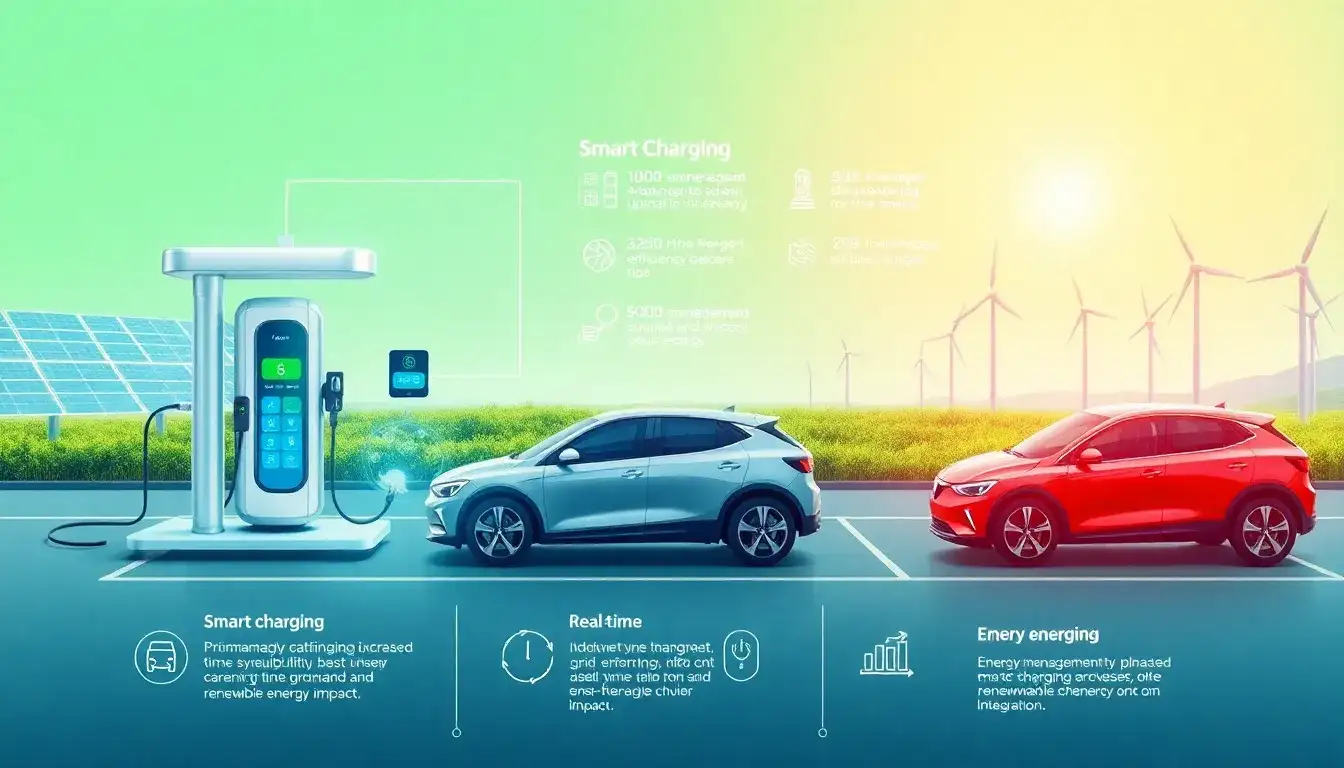
Smart charging can balance energy flow, such as in electric vehicle home charging scenarios, to leverage available sustainable energy sources effectively, reducing reliance on non-renewable power and improving overall energy efficiency. -
5. Reduced Maintenance and Infrastructure Costs
Lithium-ion batteries paired with smart charging reduce maintenance needs compared to older technologies like lead-acid batteries, which require regular handling and water replenishing. Smart chargers enable simpler infrastructure setups without complex ventilation or battery rooms. -
6. Enhanced Safety
By preventing overcharging and balancing peak loads, smart charging systems improve operational safety and protect against risks associated with battery overheating, swelling, or failure, thereby extending operational life and usability.
In summary, smart charging of lithium-ion batteries delivers benefits including faster, more efficient, and safer charging, battery longevity, operational flexibility, and optimized use of renewable energy—all contributing to better performance and lower overall costs.
Original article by NenPower, If reposted, please credit the source: https://nenpower.com/blog/what-are-the-benefits-of-smart-charging-for-lithium-ion-batteries/

