

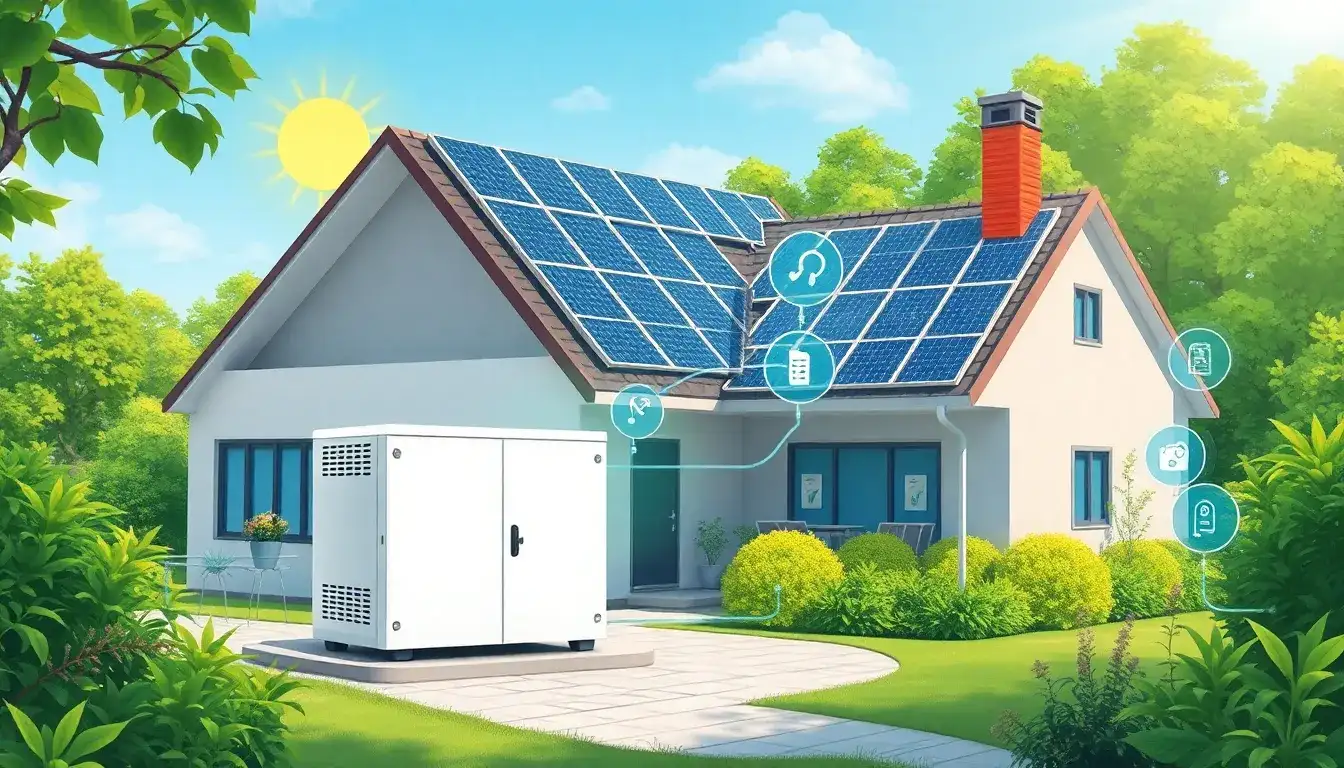
Benefits of Integrating Solar Panels with Energy Storage
1. Load Balancing and Grid Stability
Energy storage allows excess solar electricity generated during sunny periods to be stored and then used when solar production is low or demand is high, such as after sunset or on cloudy days. This helps balance electricity supply and demand, reducing the need for grid operators to curtail solar generation or rely on nonrenewable power sources, thus improving grid stability and reliability.
2. “Firming” Solar Power Output
Short-term battery storage can smooth out fluctuations in solar generation caused by passing clouds or other temporary disruptions, ensuring a consistent and reliable supply of power to the grid or users.
3. Backup Power and Resilience
Combined solar and storage systems can provide critical backup power during outages, maintaining operation of essential services, homes, and businesses without interruption. This makes them valuable for resilience and emergency preparedness, particularly in areas prone to power disruptions.
4. Maximizing Self-Consumption and Energy Independence
Without storage, excess solar energy often goes unused or must be exported to the grid, which may yield limited financial returns depending on local net metering policies. Energy storage enables users to store surplus solar electricity for later use, increasing self-consumption, reducing reliance on the grid, and enhancing energy independence.
5. Cost Savings Through Time-of-Use Optimization
Energy storage allows users to shift electricity consumption by storing solar energy when electricity rates are low and using it during peak demand periods with higher rates, thus lowering utility bills. This is especially beneficial in locations with time-of-use electricity pricing.
6. Support for Sustainability and Long-Term Investment Value
By pairing solar with storage, users improve the efficiency and sustainability of their energy systems. It maximizes the return on investment in solar panels by ensuring that clean energy is used whenever needed, potentially extending operational cost-effectiveness over 25 years or more.
7. Technological Advancements and Incentives
Advances in battery technology (e.g., lithium-ion batteries with higher energy density and longer lifespans) and intelligent management systems optimize charge and discharge cycles, improving performance and reducing costs. Additionally, federal and state incentives often make installing integrated solar-plus-storage systems more affordable.
Summary Table of Key Benefits
| Benefit | Description |
|---|---|
| Load Balancing | Store excess solar energy for use during low production or high demand |
| Firming Solar Output | Smooth out short-term generation fluctuations |
| Backup Power & Resilience | Provide power during outages, ensuring critical loads remain active |
| Increased Self-Consumption | Use more solar energy onsite, reducing waste or grid reliance |
| Cost Savings | Time-of-use load shifting lowers electricity bills |
| Energy Independence | Reduce reliance on external power sources |
| Improved Sustainability | Maximize clean energy utility and investment returns |
| Technological Advances | Enhanced battery performance and incentives reduce costs and improve system effectiveness |
In summary, integrating solar panels with energy storage systems turns intermittent solar power into a reliable, resilient, and cost-effective energy source, benefiting both users and the electric grid.
Original article by NenPower, If reposted, please credit the source: https://nenpower.com/blog/what-are-the-benefits-of-integrating-solar-panels-with-energy-storage-systems/

