

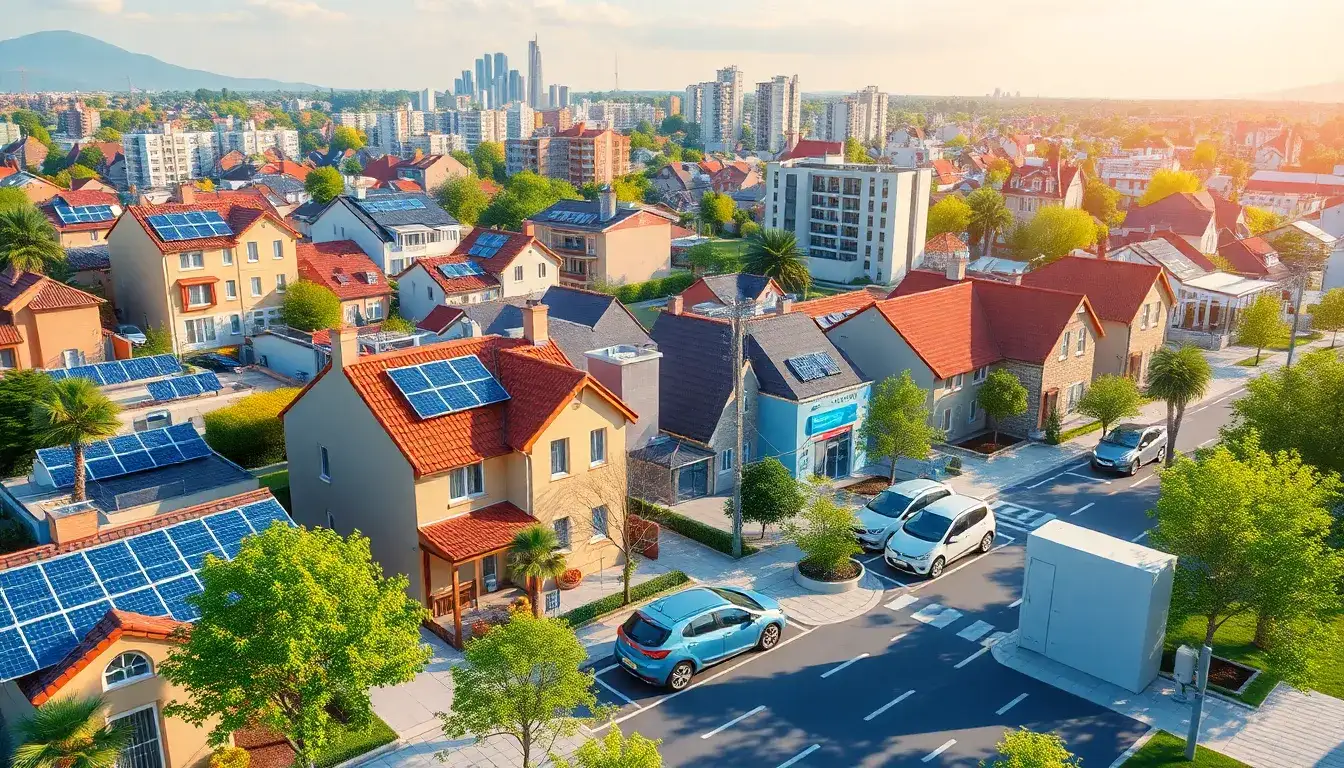
Benefits of Integrating Distributed Energy Resources
1. Enhanced Grid Resilience and Reliability
DERs decentralize power generation, which reduces the risk of widespread outages. In events like natural disasters or equipment failures, local energy sources such as solar and batteries can continue supplying critical infrastructure with power, enhancing overall grid resilience.
2. Flexibility and Scalability
DER technologies are modular and can be rapidly deployed and scaled according to demand fluctuations. This flexibility allows utilities and consumers to adapt quickly to changing energy needs and integrate new technologies smoothly.
3. Environmental Sustainability
Solar panels and other renewable DERs help reduce reliance on fossil fuels, lowering greenhouse gas emissions. They promote cleaner, sustainable energy production, contributing directly to climate goals and reducing carbon footprints for organizations and communities.
4. Reduced Transmission Losses
By producing electricity closer to where it is consumed, DERs minimize energy losses that occur during long-distance transmission. This improves overall energy efficiency and reduces system strain.
5. Economic Benefits and Cost Savings
Distributed solar and battery systems can significantly lower energy costs, especially in areas with high electricity prices or time-of-use tariffs. Users may save by avoiding peak electricity rates and even generate revenue by selling excess power back to the grid.
6. Support for Renewable Energy Integration
DERs facilitate the integration of intermittent renewable energy sources like solar and wind into the energy system, enabling a cleaner and more diverse energy mix.
7. Avoidance of Infrastructure Investments
By providing localized generation and storage, DERs reduce the need for costly upgrades to transmission and distribution infrastructure, delivering economic and operational efficiencies to the electricity system.
In summary, integrating solar panels and batteries as distributed energy resources improves grid reliability, supports sustainability, reduces energy costs, enhances flexibility, and strengthens the power system’s efficiency and resilience.
Original article by NenPower, If reposted, please credit the source: https://nenpower.com/blog/what-are-the-benefits-of-integrating-distributed-energy-resources-like-solar-panels-and-batteries/

