

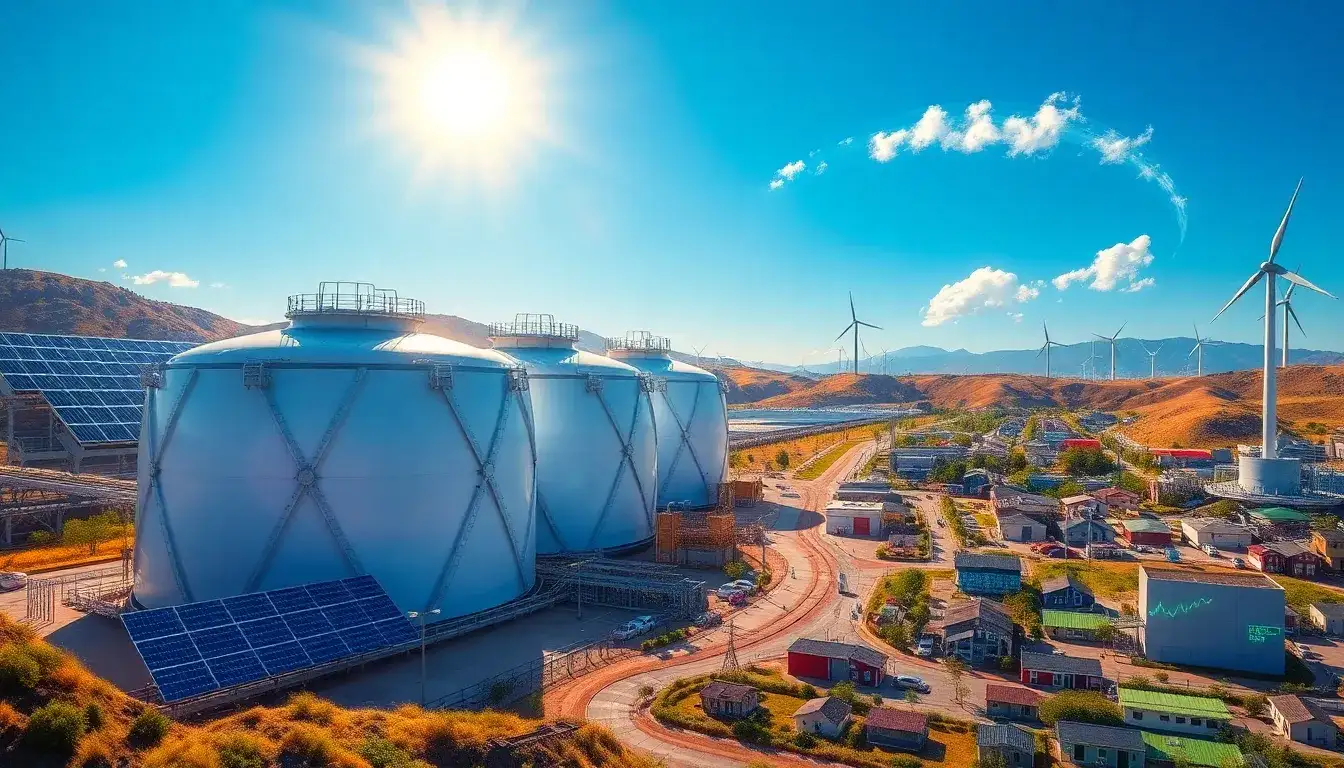
Incorporating thermal energy storage (TES) into utility plans offers several significant benefits for grid management, cost savings, and decarbonization efforts:
Grid Resiliency and Efficiency
- TES enhances grid resiliency and efficiency by allowing utilities to store heat generated using electricity during off-peak, low-cost times, such as at night when renewable energy like wind is abundant. This stored thermal energy can then be used during peak demand periods, reducing strain on the grid infrastructure.
- The technology decouples the timing of energy generation from consumption, enabling flexible use of clean electricity and smoothing demand peaks, which improves overall grid reliability.
Cost Savings and Competitive Advantages
- TES can deliver substantial cost savings by shifting energy use to lower-priced periods, with reports showing monthly savings ranging from 30% to 150% compared to traditional heating methods depending on the region.
- It is recognized as a highly cost-efficient approach to providing clean process heat and grid stability, often outperforming alternatives like hydrogen in both cost and efficiency.
Decarbonization of Industrial Processes
- TES facilitates decarbonization by enabling industrial facilities—such as steel, glass, and chemical plants—to replace fossil fuel-based heat generation with renewable electricity stored thermally.
- This is critical since industrial heat accounts for a large share of global energy demand and greenhouse gas emissions. TES helps meet these energy needs sustainably while integrating with renewable power sources.
Operational Benefits for Utilities and Consumers
- Thermal batteries reduce equipment run-times, improve operational efficiencies (e.g., refrigeration efficiencies), and enhance temperature control resilience in cold storage and other applications.
- Utilities can incorporate TES in resource planning to better manage demand, reduce peak loads, and assess rate designs that incentivize TES adoption, improving market competitiveness.
Summary Table of Benefits
| Benefit Category | Description |
|---|---|
| Grid Resiliency & Efficiency | Reduces peak demand, improves reliability by shifting energy use to off-peak times |
| Cost Savings | Potentially 30-150% savings in energy costs; competitive vs traditional heat sources |
| Decarbonization | Enables industrial sectors to transition from fossil fuels to renewable-powered thermal heat |
| Operational Efficiency | Reduces equipment run-time, improves temperature control in refrigeration/cooling |
| Utility Planning | Supports resource planning, rate reform, and integration of clean energy technologies |
In summary, TES is a commercially available, scalable, and flexible technology that utilities can leverage to improve grid stability, reduce costs, and promote industrial decarbonization by better integrating renewable energy into thermal energy demand.
Original article by NenPower, If reposted, please credit the source: https://nenpower.com/blog/what-are-the-benefits-of-incorporating-thermal-energy-storage-into-utility-plans/

