

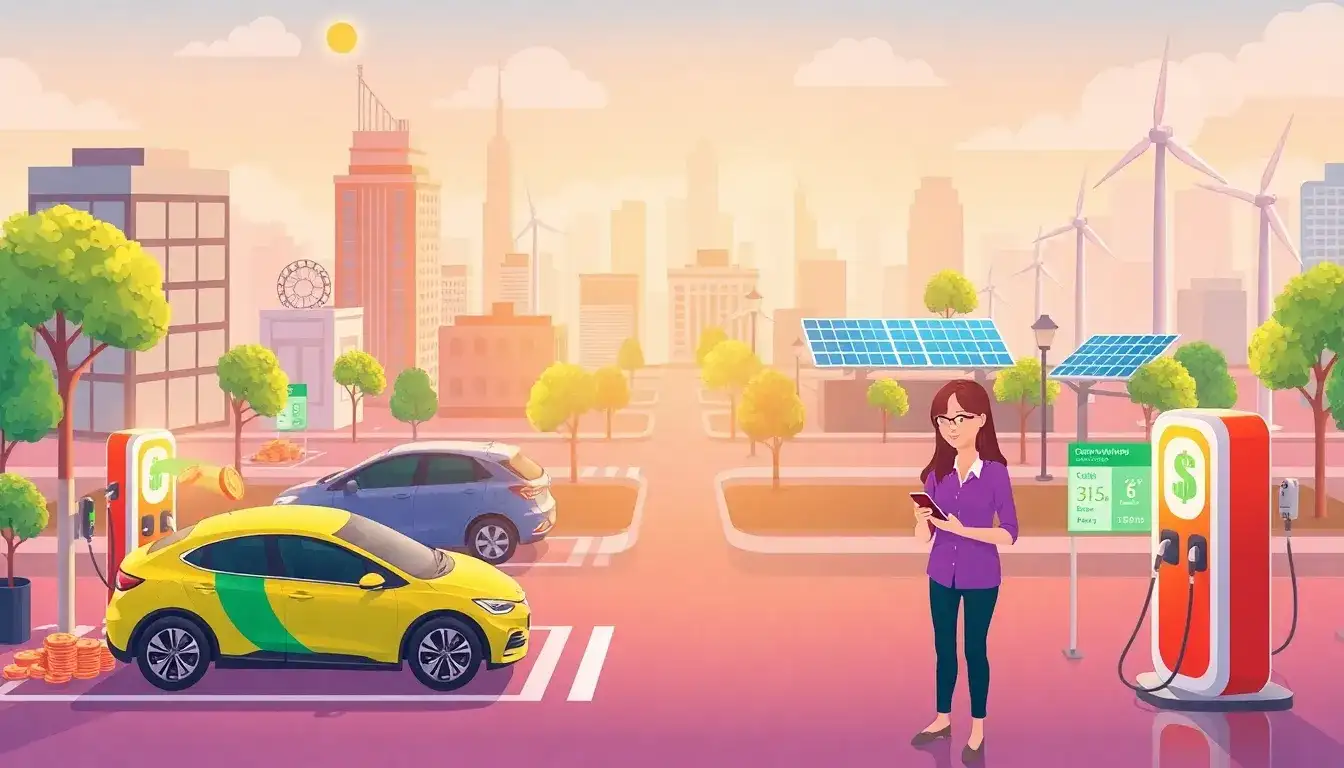
Energy-based pricing, often in the form of kWh pricing, offers several benefits to electric vehicle (EV) owners:
- Precision in Billing: This pricing model charges based on the actual amount of electricity used, allowing EV owners to pay for what they consume rather than a flat rate or per-minute fee. This can lead to cost savings, especially for efficient vehicles that consume less energy per charging session.
- Real-Time Data and Cost Management: With kWh pricing, EV owners have access to detailed data about their energy usage. This allows them to monitor and adjust their charging habits to reduce costs. For example, they might choose to charge during off-peak hours when electricity rates are lower.
- Fairness and Efficiency: By charging for actual energy used, EV owners are not penalized for the efficiency of their vehicle’s charger or battery. This is particularly beneficial for DC fast charging, which delivers more power in less time but can be mispriced under duration-based models.
- Promotion of Efficient Charging Infrastructure: The shift to kWh pricing encourages the development of more efficient charging infrastructure because operators can bill users based on real energy consumption. This motivates investment in better technology and customer-friendly systems.
- Legislative Support: Most U.S. states have passed legislation allowing EV charging stations to adopt kWh pricing without being regulated as public utilities. This legal framework supports the widespread adoption of this pricing model.
Original article by NenPower, If reposted, please credit the source: https://nenpower.com/blog/what-are-the-benefits-of-energy-based-pricing-for-ev-owners/

