

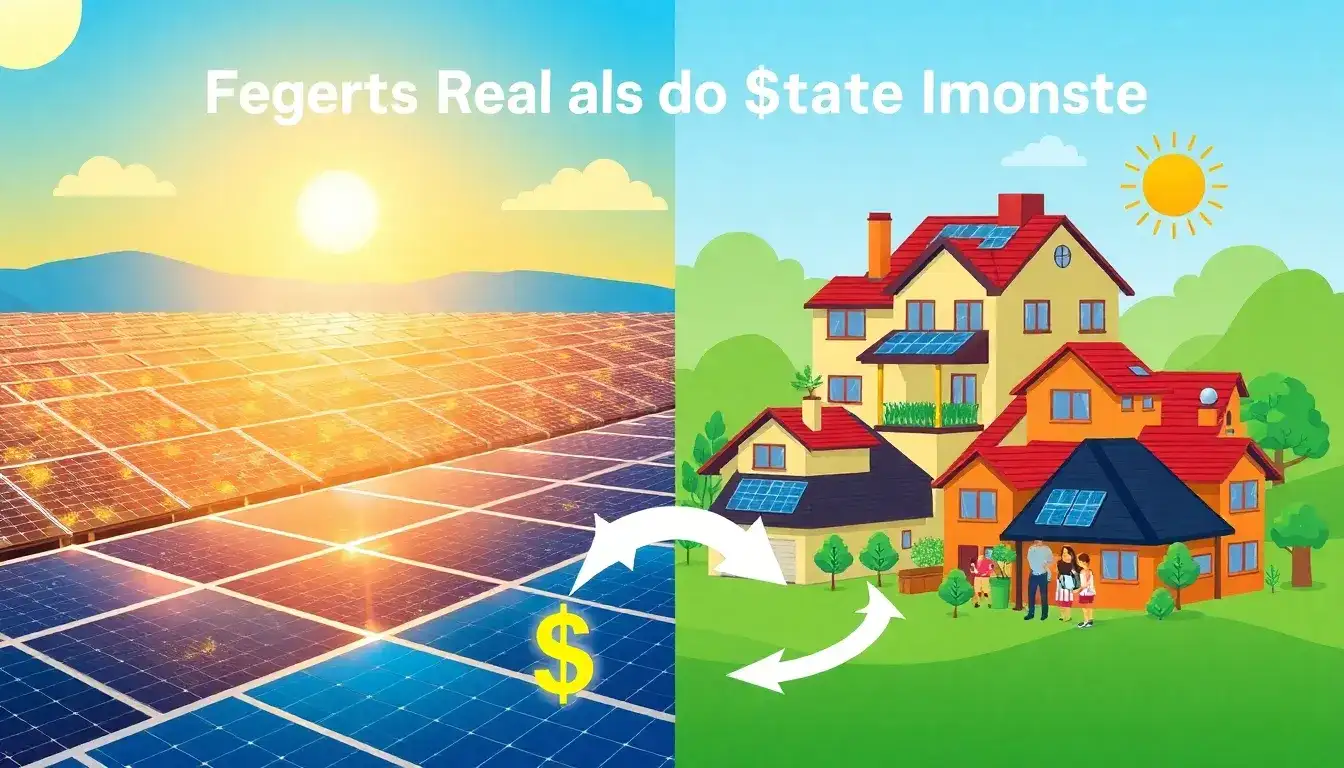
Combining federal and state solar incentives offers substantial financial and practical benefits for homeowners and businesses investing in solar energy systems. Here are the key advantages:
Significant Cost Reduction
- Lower Upfront Costs: The federal Investment Tax Credit (ITC) provides a 30% tax credit on the total cost of solar installation, including panels, inverters, labor, and permitting, for systems installed from 2022 through 2032. When combined with state-level incentives such as rebates or additional tax credits, the overall out-of-pocket cost can be reduced by 50% or more. For example, a $5,000 state rebate combined with the 30% federal ITC can cut the cost of a solar system nearly in half.
- Stacking Savings: State incentives vary widely and may include cash rebates, property tax exemptions, Solar Renewable Energy Certificates (SRECs), and net metering credits. When combined with the federal ITC, these can “stack,” providing deeper cost savings than either incentive alone.
Increased Solar Accessibility and Affordability
- Makes Solar More Attainable: By lowering the financial barrier to solar adoption, combining incentives allows more homeowners and businesses to afford solar energy systems. This promotes wider renewable energy adoption and helps reduce dependence on fossil fuels.
- Supports Local Sustainability Goals: State incentives often reflect local government efforts to meet renewable energy and carbon reduction targets, supporting a greener energy mix in the community.
Additional Financial Benefits
- Expanded Eligible Expenses: The federal ITC includes costs for battery storage systems of at least 3 kWh capacity and labor, allowing these expenses to qualify for the 30% credit. State programs often have complementary incentives for storage and other clean energy technologies, further enhancing savings.
- Property and Sales Tax Exemptions: Some state or local programs exempt solar installations from increasing property taxes, ensuring that the home value increases without higher taxes, adding long-term financial benefits.
Flexibility and Extended Timeline
- Long Credit Window: The federal ITC offers a stable 30% credit through 2032 with a gradual phase-down afterward, while many states maintain or update incentives independently, providing ongoing opportunities to save.
- Commercial and Residential Options: Businesses can also benefit from additional federal provisions like the Production Tax Credit (PTC) and bonus depreciation, which combined with state incentives, provide a robust financial framework for commercial solar investments.
Practical Support and Guidance
- Local and Utility Level Incentives: Beyond state-level programs, local utilities often provide rebates or net metering credits that complement federal and state incentives, maximizing overall savings and utility bill reductions.
- Expert Assistance: Solar companies often help customers navigate and apply all available incentives, ensuring maximum benefit is obtained from the combination of federal and state programs.
Summary Table of Benefits
| Benefit | Federal ITC | State Incentives | Combined Benefit |
|---|---|---|---|
| Credit Amount | 30% of total system cost | Varies—rebates, tax credits, exemptions | Up to 50%+ total cost reduction |
| Eligible Expenses | Panels, inverters, labor, battery storage | Additional rebates, property tax exemptions | Broader coverage including local perks |
| Availability | Nationwide (through 2032+) | State-dependent with variation | Maximizes savings regionally and federally |
| Effect on Affordability | Lowers upfront costs | Further reduces net cost | Makes solar more accessible and affordable |
| Support for Sustainability | Promotes renewable energy adoption | Advances state/local renewable goals | Drives broader clean energy adoption |
Combining federal and state solar incentives maximizes financial savings by significantly reducing installation costs, expanding the scope of eligible expenses, and providing complementary local benefits. This synergy encourages wider adoption of solar energy, lowers barriers to entry, and supports both homeowners and businesses in achieving long-term energy savings and sustainability goals.
Original article by NenPower, If reposted, please credit the source: https://nenpower.com/blog/what-are-the-benefits-of-combining-federal-and-state-solar-incentives/

