

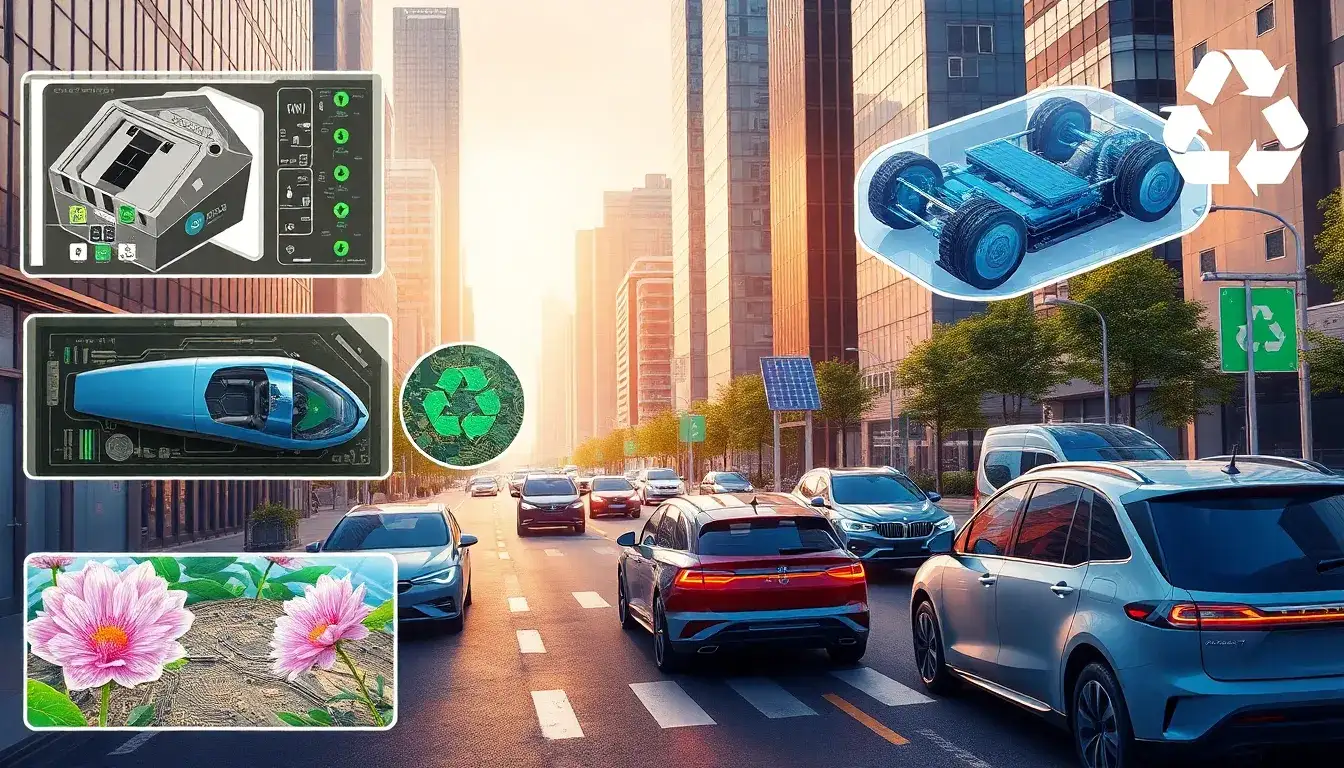
Alternatives to Lithium-Ion Batteries for EVs
- Solid-State Batteries: These batteries use a solid inorganic electrolyte instead of the liquid electrolyte found in lithium-ion batteries. This design reduces the risk of fires, can support harsh conditions, and potentially offers faster charging and higher energy density.
- Sodium-Ion Batteries: Sodium is abundant and cheaper than lithium, making these batteries a promising alternative. They could offer a cost-effective solution for large-scale energy storage.
- Lithium-Iron-Phosphate (LFP) Batteries: LFP batteries lack cobalt and nickel, reducing environmental and social impact. While they have lower energy density than standard lithium-ion batteries, they are safer and being increasingly used in EVs.
- Lithium-Sulfur Batteries: These batteries potentially offer higher energy density than traditional lithium-ion batteries but face challenges related to their lifespan and charging cycles.
- Hydrogen Fuel Cells: Not batteries but an alternative power source for EVs, hydrogen fuel cells produce electricity by combining hydrogen with oxygen. They offer zero-emission driving but require extensive infrastructure development.
- Silicon Carbon Batteries: These are being developed to improve the anode of lithium-ion batteries, potentially increasing charging speeds and capacity.
Each alternative has its advantages and challenges, but they all aim to improve upon the current limitations of lithium-ion batteries for EVs.
Original article by NenPower, If reposted, please credit the source: https://nenpower.com/blog/what-are-the-alternatives-to-lithium-ion-batteries-for-evs/

