

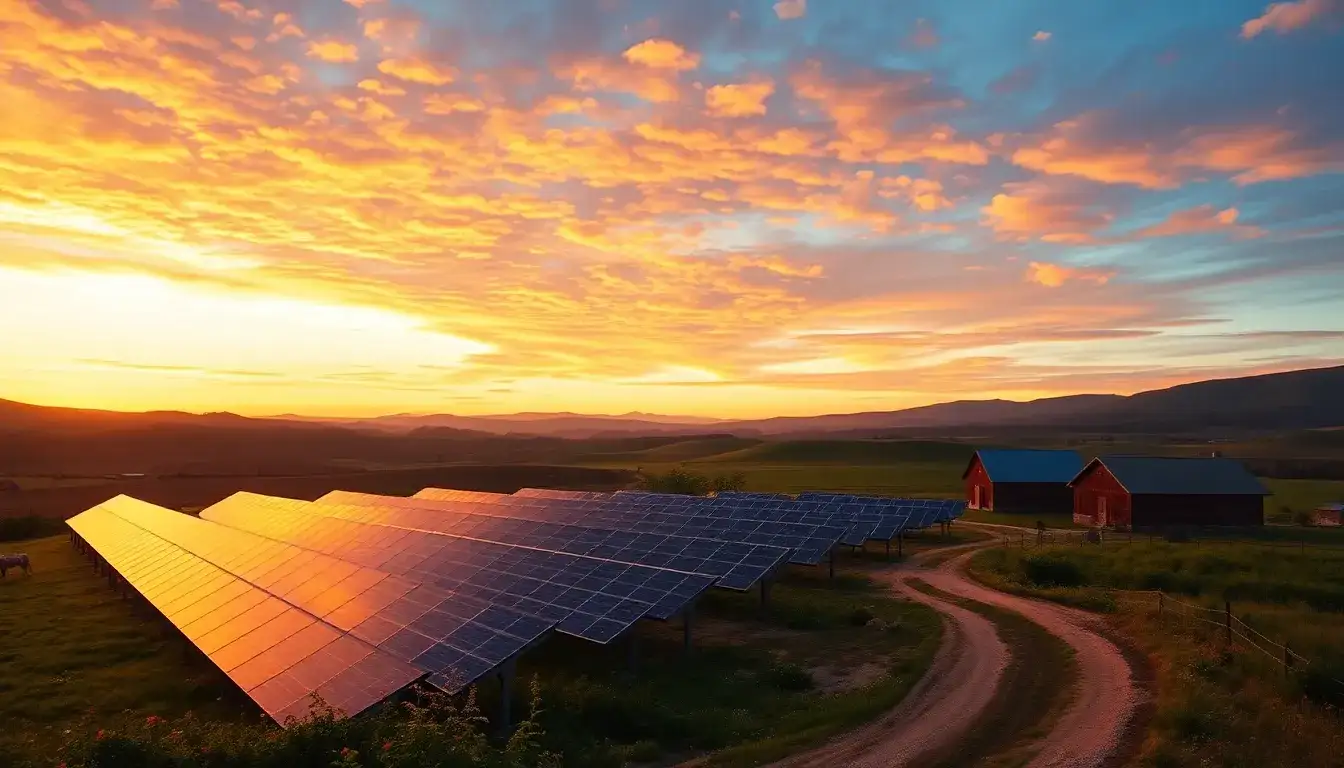
The aesthetic impacts of solar installations on rural landscapes are multifaceted, involving changes to visual character, community sense of place, and perceived intrusion on traditional pastoral scenery.
Visual and Landscape Changes
- Large-scale solar farms dramatically alter rural landscapes by replacing natural vegetation and farmland with expansive arrays of metal and glass panels stretching across hundreds or thousands of acres. These installations transform pastoral and agricultural vistas into industrialized environments enclosed by security fences, disrupting traditional rural aesthetics.
- The dark surfaces of solar panels absorb sunlight and heat, contrasting sharply with surrounding green vegetation and natural terrain, creating visual monotony and possibly an unnatural, artificial feel to the landscape. This change can affect the rural atmosphere cherished by local residents and visitors.
- Such changes affect not only visual aesthetics but also the local environment by increasing surface temperatures and altering microclimates, which can further influence the overall perception and ecological character of the area.
Community Perceptions and Cultural Impact
- Residents often express concerns about the impact of solar farms on the “rural character” of their communities. The industrial appearance of large solar fields may conflict with residents’ sense of place and attachment to traditional farmland and natural scenery.
- Some rural landowners view solar installations as a loss of agricultural identity and worry about displacement of farming activities. This alteration of land use can be seen as eroding cultural landscape values tied to farming heritage.
Mitigation and Sustainable Design Strategies
- Developers are increasingly adopting strategies to reduce aesthetic impacts and blend solar installations into rural settings. These include:
- Selecting sites carefully to minimize visual intrusion.
- Using vegetative buffers such as hedgerows and native shrubs around solar farms to screen panels and create more natural-looking boundaries.
- Incorporating native wildflowers and groundcovers to enhance biodiversity and aesthetic appeal on-site.
- Sustainable design approaches aim to counter community resistance by demonstrating commitment to local ecology and visual harmony, potentially improving public acceptance of solar projects.
Summary
Solar installations considerably modify rural landscapes by introducing large industrial arrays that contrast with traditional natural and agricultural scenes, affecting visual aesthetics and community sense of place. However, careful siting and sustainable landscaping can mitigate some of these impacts, balancing renewable energy goals with rural landscape preservation.
Original article by NenPower, If reposted, please credit the source: https://nenpower.com/blog/what-are-the-aesthetic-impacts-of-solar-installations-on-rural-landscapes/

