

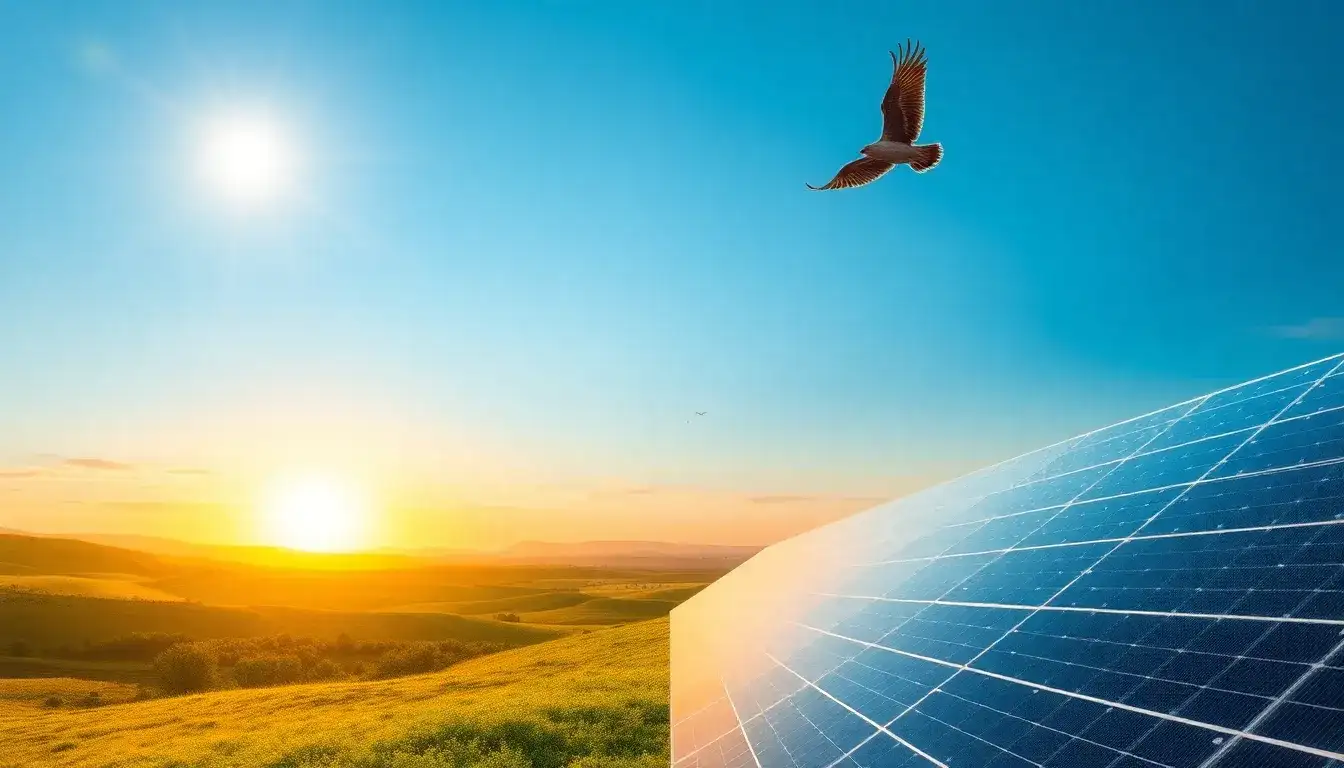
Aesthetic concerns associated with large solar farms center on their visual impact on landscapes and communities:
1. Industrialized appearance
Large solar arrays transform rural or natural vistas into industrialized zones dominated by reflective panels, metal framing, and security fencing. The shift from pastoral scenery to utilitarian infrastructure often clashes with expectations for undeveloped areas.
2. Heat and glare effects
Dark solar panels absorb more sunlight than surrounding vegetation, increasing localized heat emissions and creating glare that some find visually disruptive. This thermal and reflective contrast can make solar farms stand out starkly against their surroundings.
3. Land use conflicts
Projects sited on prime farmland or forested areas face criticism for replacing agricultural or natural landscapes with mechanical arrays. The loss of open space or tree cover often triggers opposition from residents prioritizing scenic beauty.
4. Regulatory and perceptual challenges
Some jurisdictions apply aesthetic tests like Vermont’s “Quechee criteria,” which evaluate whether projects “offend the sensibilities of the average person” or diminish an area’s scenic qualities. While surveys show many communities ultimately accept solar farms, initial resistance frequently arises from perceived threats to cultural or historical landscapes.
Design responses such as pollinator-friendly ground cover, agrivoltaic integration (combining solar with agriculture), and perimeter landscaping are increasingly used to mitigate these concerns.
Original article by NenPower, If reposted, please credit the source: https://nenpower.com/blog/what-are-the-aesthetic-concerns-associated-with-large-solar-farms/

