

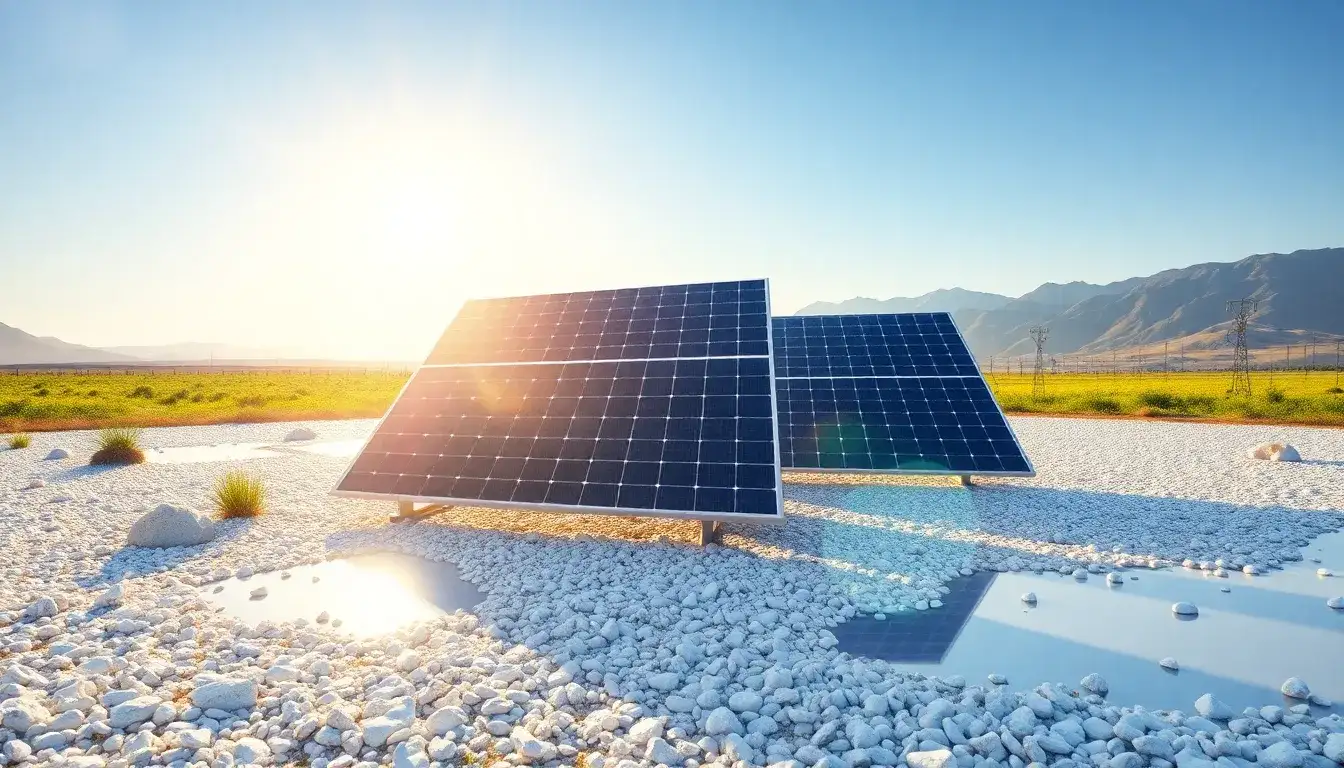
The advantages of using reflective materials in bifacial solar panel installations primarily stem from the panels’ ability to capture sunlight on both their front and rear sides. Reflective surfaces beneath or around bifacial panels enhance the amount of light reflected onto the rear side, significantly boosting their overall energy production. Here are the key benefits:
Advantages of Using Reflective Materials in Bifacial Solar Panel Installations
- Increased Energy Yield: Reflective materials increase the albedo effect, reflecting more sunlight onto the rear side of bifacial panels. This can boost energy production by up to 30% compared to traditional monofacial panels, as the rear side can harness this additional reflected light to generate electricity. For example, highly reflective surfaces like white gravel, snow, sand, or light-colored roofing materials maximize the reflected irradiance captured by the back of the panel.
- Improved Overall System Efficiency: By effectively increasing the incident light on bifacial panels’ rear side, reflective ground covers enhance the bifaciality factor (the efficiency ratio of the rear side compared to the front). Research indicates that installing bifacial panels over high-albedo ground reflectors can increase plant yield by up to 4.5% or more, depending on site conditions.
- Better Low-Light and Diffuse Light Performance: Reflective materials help capture not only direct sunlight but also diffuse and scattered light. This extends the operational hours and improves performance even under less-than-ideal sunlight conditions, enhancing energy harvest throughout the day.
- Cost-Effectiveness and Land Use Optimization: Increased output per panel reduces the number of panels or area needed for a given energy target. This can lower balance-of-system costs and optimize space usage, especially valuable in constrained installation environments.
- Durability and Maintenance Benefits: Some reflective surfaces, like light-colored gravel or treated surfaces, can also contribute to heat dissipation and reduce panel temperature, indirectly supporting panel longevity and efficiency.
- Installation Versatility: Reflective materials allow bifacial panels to be effectively installed in various configurations (horizontal, vertical, or angled) while still gaining enhanced energy from rear-side light reflection.
In summary, applying reflective materials beneath bifacial solar panels is a proven strategy to significantly enhance their energy output, improve system efficiency, and optimize space and cost-effectiveness. This is particularly effective in environments with naturally high albedo or when engineered reflective surfaces are used.
Original article by NenPower, If reposted, please credit the source: https://nenpower.com/blog/what-are-the-advantages-of-using-reflective-materials-in-bifacial-solar-panel-installations/

