

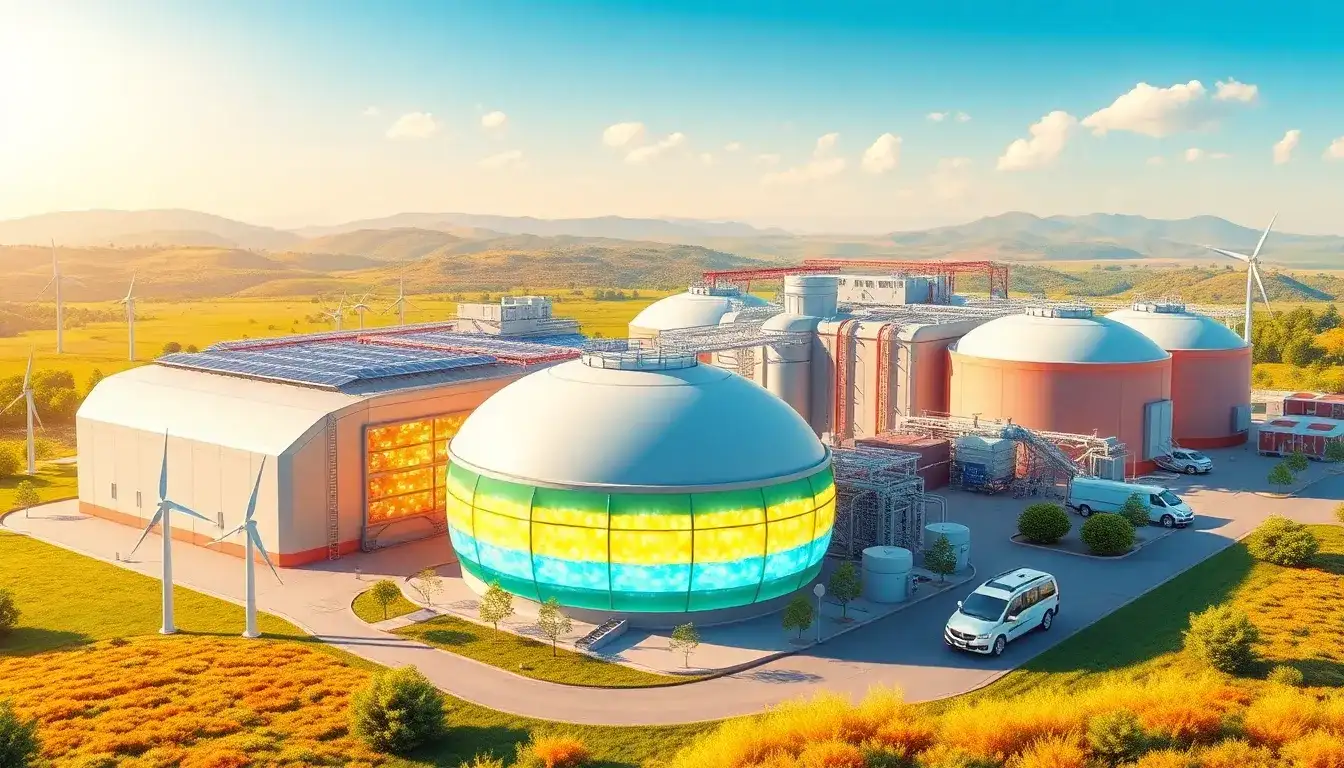
Advancements in Thermal Energy Storage Technologies
Thermal energy storage (TES) technologies have seen significant advancements in recent years, driven by the need for efficient and sustainable energy solutions. These developments are crucial for integrating renewable energy sources into the grid, ensuring a stable and reliable supply of energy.
Key Advancements
1. Phase Change Materials (PCMs):
- Improved Energy Density: New PCMs have higher energy density and improved thermal stability, making them more efficient for heat storage.
- Enhanced Thermal Conductivity: Incorporating nanomaterials into PCMs has enhanced thermal conductivity, improving their overall performance in thermal storage applications.
- Stability Issues: Research focuses on overcoming the limitations of PCMs, such as thermal instability and leakage, through encapsulation and hybrid materials.
2. Hybrid Storage Systems:
- Sensible and Latent Heat Storage: Combining sensible heat storage (e.g., water or rocks) with latent heat storage (e.g., PCMs) creates hybrid systems that offer increased energy density and flexibility.
- Modular Systems: Modular designs allow for scalability and easier integration into existing infrastructure, enhancing adaptability.
3. Advancements in Materials:
- Novel Composite Materials: Composites integrating PCMs with high-conductivity materials improve heat transfer and energy storage capacity.
- Thermochemical Materials: Thermochemical storage systems store energy via chemical reactions, offering high storage capacity with minimal losses, which can theoretically outperform PCMs.
4. Control Systems and Integration:
- Advanced Controls: Smart control systems utilizing AI and machine learning optimize TES operation, ensuring optimal energy storage and release based on demand.
- Building Integration: TES systems are being integrated into buildings to manage peak energy demands and improve energy efficiency.
5. Market and Future Outlook:
- Growing Demand: The global TES market is projected to exceed $91.6 billion by 2032, driven by renewable energy integration and technological advancements.
- Challenges: Despite growth, the industry faces challenges like high initial costs and the need for further technological improvements to enhance efficiency and reduce costs.
Impact on Sustainability and Renewable Energy
These advancements in TES are critical for achieving sustainable energy goals by efficiently storing energy from renewable sources, thereby reducing reliance on fossil fuels and supporting electrification and decarbonization efforts in buildings and industries.
Original article by NenPower, If reposted, please credit the source: https://nenpower.com/blog/what-advancements-have-been-made-in-thermal-energy-storage-technologies/

