

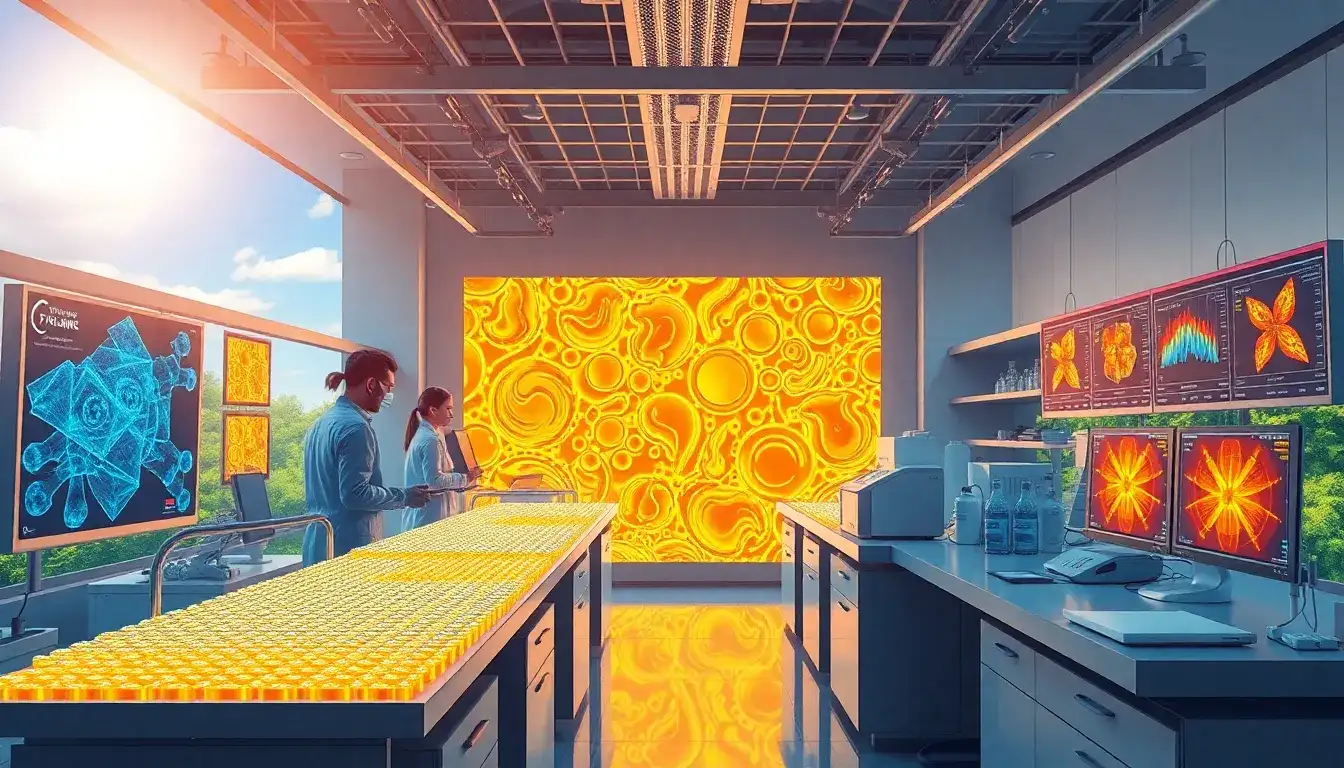
To increase the power density generated by radiative cooling, several key advancements are needed, focusing on improving the efficiency and thermal management of radiative cooling materials and systems:
1. Enhanced Radiative Cooling Materials and Design
- Improved Optical Properties: Advanced nanophotonic and metamaterials with highly engineered optical characteristics are essential. These materials should maximize thermal emission in the mid-infrared atmospheric window (8–13 μm) while minimizing solar absorption, especially for daytime cooling applications.
- Selective Emitters: Employing selective thermal emitters that strongly radiate within the atmospheric transparency window can boost cooling power by effectively losing heat to outer space while resisting parasitic absorption and heat gains.
- Tailored Photonic Structures: Designing planar multilayer, 2D, or metasurface photonic structures enhances spectral control and maximizes emissivity in desired wavelengths, enabling better performance while maintaining low solar absorption.
2. Thermal Concentration and Localization
- Radiative Energy Concentration: Techniques such as the AsymSkyCool method, which asymmetrically sizes heat sources on radiative sky-cooling-coated substrates, can concentrate thermal radiation, raising cooling power density significantly—up to nearly 1000 W/m² under solar irradiation and over 2000 W/m² at night, a nearly tenfold increase over previous benchmarks.
- Advanced Thermal Management: Optimizing heat transfer pathways, including reducing parasitic thermal losses and enhancing thermal resistance control, allows more efficient conversion of cooling power into usable energy (e.g., for electricity generation).
3. System-Level Optimization
- Reducing Parasitic Heat Transfers: Minimizing unwanted heat flow from surroundings (conduction, convection) by using enclosures or optimized thermal insulation can substantially increase net radiative cooling power and resultant power density, especially for nighttime electricity generation.
- Stacking and Integration of Thermoelectric Generators: Deploying multiple thermoelectric layers or improving thermal interfaces to better harness temperature differences can roughly double achievable power densities, facilitating better energy harvesting from radiative cooling.
- Geographical and Climatic Adaptation: Experimental verification of radiative cooling technologies in diverse climates has shown significant performance variation. Tailoring designs to local atmospheric conditions (humidity, temperature, sky clarity) is important to maximize effectiveness globally.
4. Overcoming Practical Challenges
- Scaling and Cost Reduction: Although scalable manufacturing of radiative coolers is advancing, reducing material and production costs remains critical to widespread deployment.
- Increasing Cooling Area Efficiency: Because radiative cooling has a low intrinsic energy density, improving power density reduces the required area and associated costs, enabling more compact, practical devices.
Summary Table of Needed Advancements
| Aspect | Advancement Needed | Impact on Power Density |
|---|---|---|
| Material Optical Properties | Nanophotonic metamaterials, selective emitters | Increase emissivity in mid-IR window, reduce solar absorption |
| Thermal Concentration | Radiative energy concentration (e.g., AsymSkyCool) | Up to 10x improvement in cooling power density |
| Thermal Management | Reduce parasitic losses, optimize thermal resistance | Enhance net cooling, improve power conversion efficiency |
| System Integration | Thermoelectric stacking, optimized thermal design | Double or more electric power density |
| Climate Adaptation | Tailored designs for local conditions | Maximize global effectiveness |
| Scalability & Cost | Low-cost, large-area production | Enable practical deployment and commercialization |
In conclusion, increasing power density in radiative cooling involves combined improvements in material design for enhanced thermal emission, innovative thermal concentration methods to localize and boost radiative power, and system-level optimizations to minimize losses and efficiently convert thermal gradients into electrical power. These advancements collectively push the cooling power density from typical values around 100 W/m² to potentially over 1000 W/m² in some configurations, unlocking applications in high-power thermal management, nighttime electricity generation, and water harvesting.
Original article by NenPower, If reposted, please credit the source: https://nenpower.com/blog/what-advancements-are-needed-to-increase-the-power-density-generated-by-radiative-cooling/

