

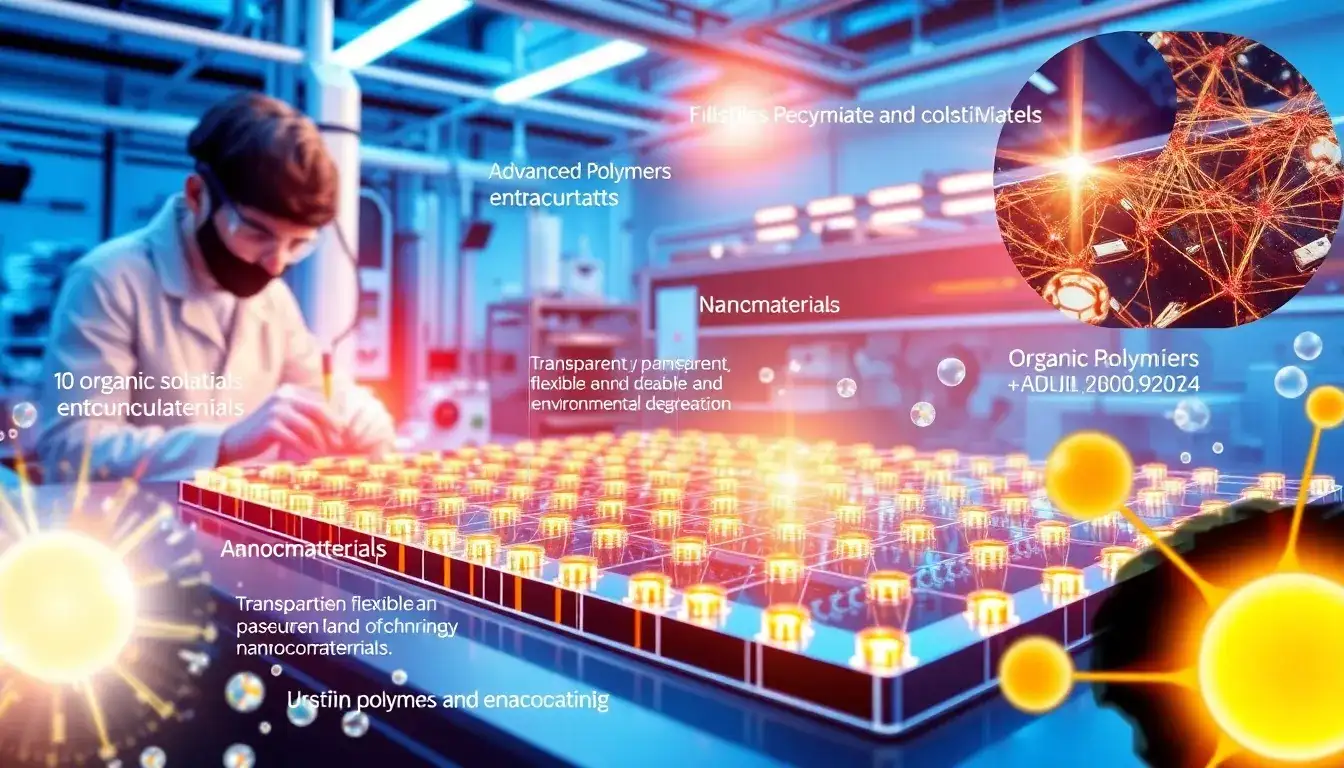
Recent advancements in encapsulation technologies for perovskite solar panels are crucial for enhancing their stability and commercial viability. Here are some key developments:
Key Advancements in Encapsulation Technologies
- New Encapsulation Techniques:
- Moisture and Oxygen Barrier: New encapsulation methods are designed to protect perovskite layers from moisture, oxygen, and heat, which are major threats to their stability.
- UV-Cured Encapsulation: This technique is being explored for improving the stability and durability of perovskite solar cells by creating a high-barrier performance against environmental factors.
- Organic Stabilizers:
The use of organic stabilizers within perovskite cells helps manage thermal buildup, reduce hotspots, and preserve performance over time. - Material and Structural Innovations:
Advanced materials like hybrid 2D/3D perovskites enhance light absorption while minimizing energy losses. Additionally, incorporating ferroelectric materials can bolster electric field strength and reduce energy loss.
Impact on Perovskite Solar Cells
These advancements are leading to improved efficiency and durability in perovskite solar cells, making them more viable for commercial applications, especially when combined with technologies like tandem cells. Encapsulation remains a critical component in addressing the long-standing stability issues of perovskite solar panels.
Original article by NenPower, If reposted, please credit the source: https://nenpower.com/blog/what-advancements-are-being-made-in-encapsulation-technologies-for-perovskite-solar-panels/

