

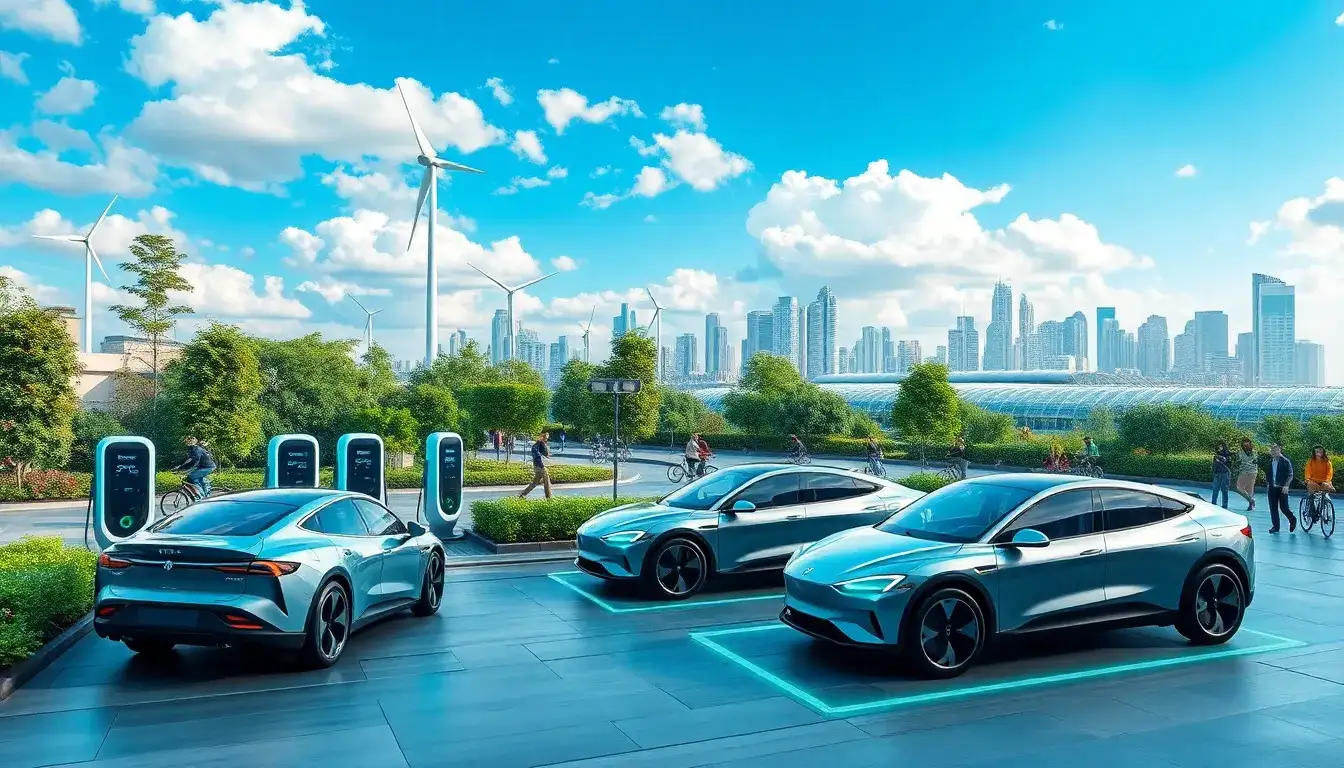
Vehicle energy encompasses various forms of power systems used in vehicles, including hybrid electric vehicles (HEVs), plug-in hybrid electric vehicles (PHEVs), and all-electric vehicles (BEVs). Each type offers distinct benefits in terms of fuel efficiency, environmental impact, and operational costs.
Overview of Vehicle Energy Types
Hybrid Electric Vehicles (HEVs)
- Operation: HEVs are powered by an internal combustion engine and one or more electric motors using energy stored in a battery. They are fueled primarily by gasoline and enhance fuel economy compared to conventional vehicles.
- Example: The 2024 Toyota Corolla Hybrid achieves a combined EPA rating of approximately 50 miles per gallon, compared to 35 MPG for the non-hybrid version.
- Advantages: HEVs improve fuel efficiency and reduce emissions compared to conventional vehicles, but they do not use external electric charging.
Plug-in Hybrid Electric Vehicles (PHEVs)
- Operation: PHEVs operate in both electric and gasoline modes. They can run solely on electricity for short distances (usually between 20 and 40 miles) and then switch to gasoline, similar to HEVs.
- Example: PHEVs like the Chevrolet Volt can travel a certain distance on electric power before using the internal combustion engine to extend the range.
- Advantages: PHEVs offer improved fuel economy and lower emissions, especially for short trips, and qualify for tax benefits if purchased as a new vehicle.
All-Electric Vehicles (BEVs)
- Operation: BEVs operate exclusively on electric power from a battery that is charged via an external power source.
- Example: Tesla models and Nissan Leaf are examples of BEVs that rely solely on electricity.
- Advantages: BEVs have the highest energy efficiency among vehicle types, significantly reduce emissions, and offer quieter operation and zero idling emissions.
Benefits of Electric and Hybrid Vehicles
- Energy Efficiency and Cost Savings: Electric vehicles offer higher efficiency and lower operational costs due to the efficiency of electric motors and potentially lower energy costs compared to gasoline.
- Environmental Benefits: EVs reduce greenhouse gas emissions, particularly when powered by renewable energy sources.
- Tax Incentives: New purchases of qualified electric or plug-in hybrid vehicles can receive tax credits, such as up to $7,500 in the U.S.
Innovations and Infrastructure
- Battery Advancements: Companies like Vehicle Energy Japan Inc. develop high-power battery cells for HEVs, contributing to their efficiency and performance.
- Charging Infrastructure: Expansion of charging stations supports the adoption of electric vehicles.
In conclusion, vehicle energy advancements are driven by innovations in battery technology, improved energy efficiency, and expanding infrastructure support. These developments continue to make electric and hybrid vehicles more viable alternatives to traditional combustion engines.
Original article by NenPower, If reposted, please credit the source: https://nenpower.com/blog/vehicle-energy/

