

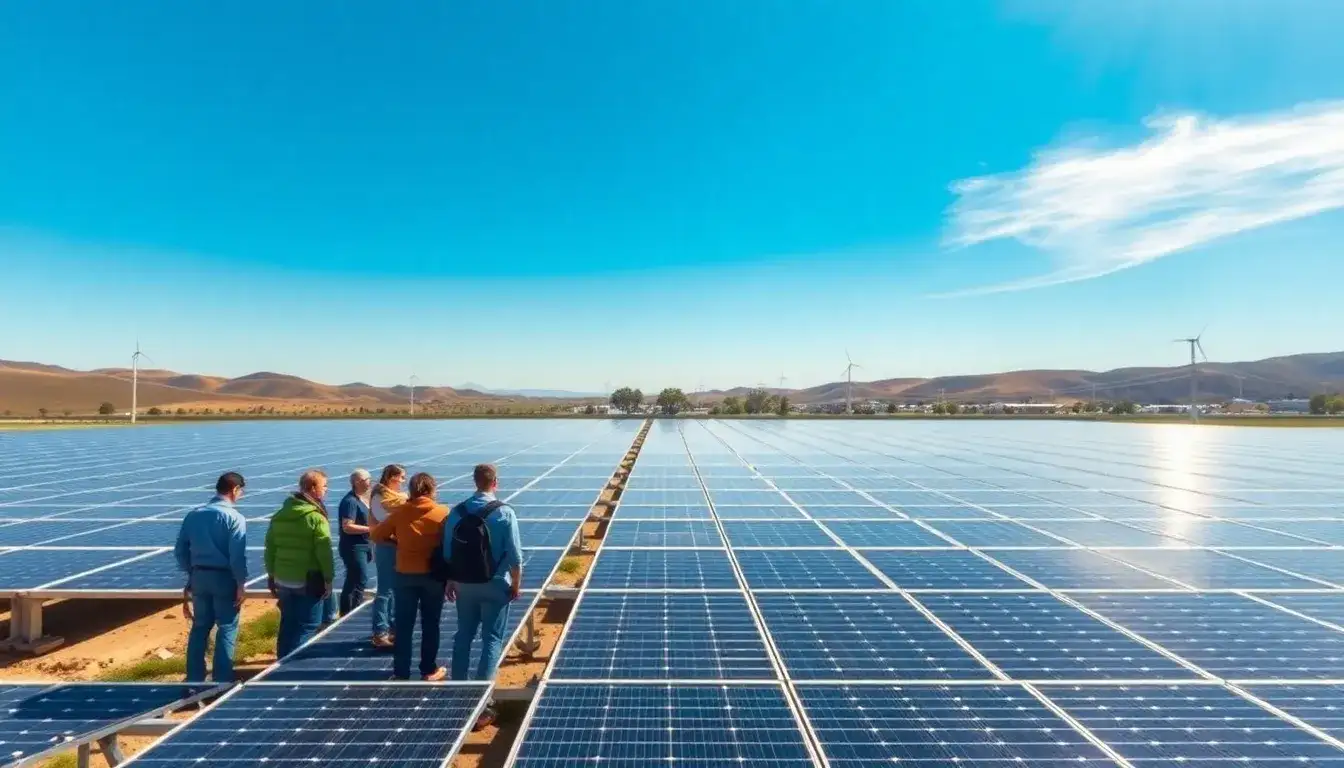
US Solar Generation Increases by 27% in 2024, Contributing to 6.8% of Total Electricity
According to the U.S. Energy Information Administration (EIA), utility-scale solar saw a remarkable growth of 32%, while distributed solar increased by 15%. This growth brought their shares of total electricity generation to nearly 5% and 2%, respectively. Overall, U.S. electricity generation rose by 3.1% year over year.
In the past year, solar photovoltaic sources accounted for over 6.8% of all electricity generated in the U.S., up from 5.5% in 2023. This marks a significant year-over-year increase of 24%, as reported by the U.S. Department of Energy’s EIA. This growth occurred alongside a 3.1% increase in total U.S. electricity generation, with solar generation expanding by 27%, a notable figure despite the overall rise in electricity demand. The EIA’s Electric Power Monthly Report indicates that total solar photovoltaic generation exceeded 300 TWh, marking an increase of 64 TWh from the previous year. This represents the largest absolute increase in solar generation since 2016, even though it comes from a significantly larger installed base.
Utility-scale solar expanded by 32%, while distributed solar saw a growth of 15.3%, according to the EIA. In terms of total U.S. generation, utility-scale solar now accounts for nearly 5%, while distributed solar contributes just over 1.9%. Last year, pv magazine USA accurately predicted that solar would reach 6.9% of total U.S. electricity generation, based on the deployment of 35.3 GW of new capacity in 2023. Together, wind and solar supplied 17.2% of all U.S. electricity. Notably, three states—Iowa, South Dakota, and Kansas—now generate over 50% of their electricity from these two renewable sources, with wind being the dominant contributor and solar playing a smaller role.
After experiencing two years of stagnation, CO₂-free electricity generation increased, surpassing 40.9% of total U.S. generation by the end of 2024, up from 39.5% the previous year. Much of this growth was driven by wind and solar, which increased their combined share from 15.4% to 17.2%, marking a 1.7% increase that outpaced the overall 1.4% growth of CO₂-free generation. A slight decline in hydroelectric generation was balanced by increased nuclear output.
Several states witnessed solar generation growth of over 50% in 2024. South Dakota led this impressive growth with a staggering 7,000% increase, following the launch of its first two utility-scale solar facilities. Maine and New Mexico also stood out as high-growth markets, each surpassing 10% solar generation for the first time, with much of their growth attributed to community solar installations.
Despite the vast gap between the top ten solar-generating states and the bottom ten, the long-term decarbonization landscape reveals more complexity. Last year, pv magazine USA analyzed five “solar laggards,” noting that Oklahoma, Kansas, and North Dakota, despite their low solar rankings, are strong producers of wind energy. Alaska, with its months of minimal to zero sunlight, is an understandable exception in this context. West Virginia emerges as the true laggard in both solar and clean energy, ranking 48th in the nation for solar and deriving only 0.41% of its electricity from solar sources.
For more detailed insights, refer to PV Intel’s report on the 50 states of solar.
Original article by NenPower, If reposted, please credit the source: https://nenpower.com/blog/us-solar-generation-surges-27-in-2024-reaching-6-8-of-total-electricity-output/

