The United States Takes Strong Action Against Solar Panel Origin Laundering
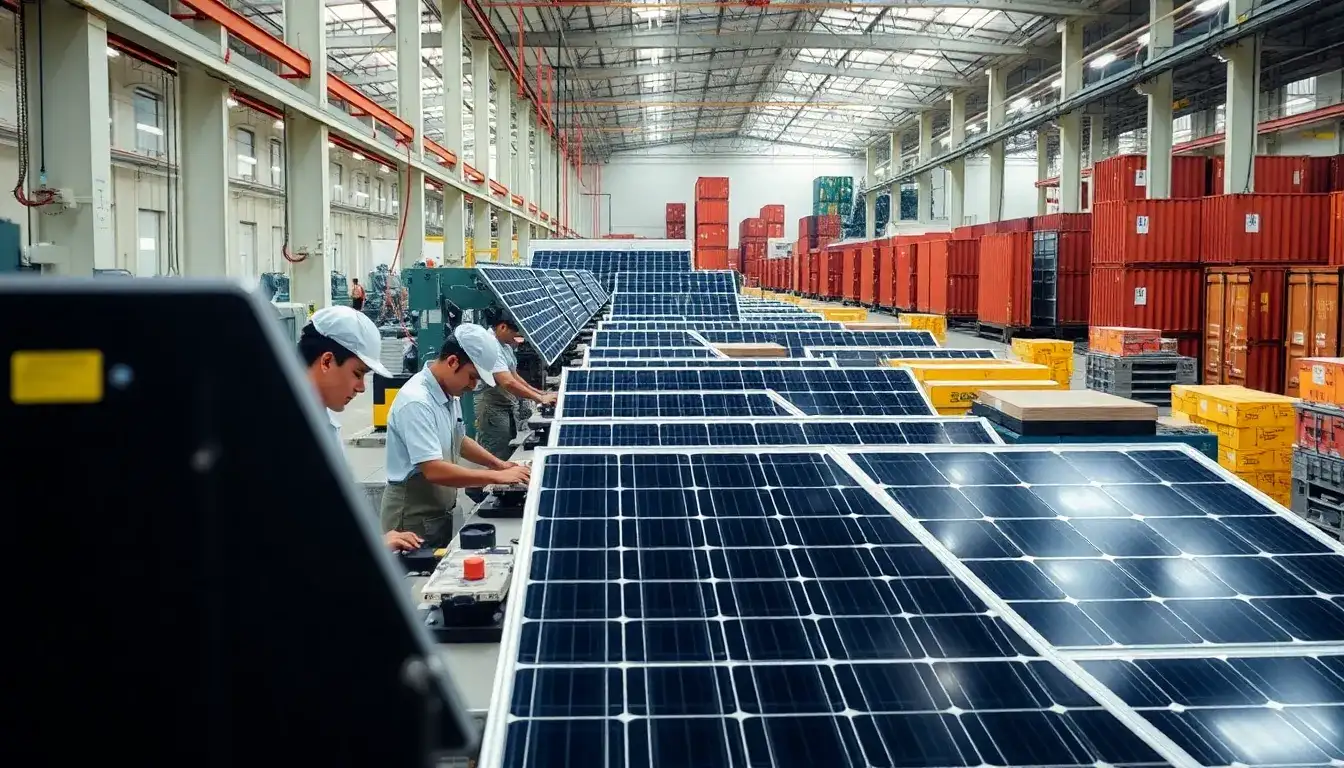
On April 23, 2025, the U.S. government announced significant tariffs on solar products imported from Malaysia, Cambodia, Thailand, and Vietnam, with rates reaching as high as 3,521%. This move is part of a broader effort to combat the practice known as “origin laundering,” where solar manufacturers in China use Southeast Asian countries to circumvent tariffs.
According to data from <a href='https://www.bloomberg.com'>Bloomberg New Energy Finance</a>, the U.S. imported approximately <b>$12.9 billion</b> (around <b>NT$420 billion</b>) worth of solar equipment from these four countries last year, accounting for <b>77%</b> of the U.S. solar market. Industry experts anticipate that these orders will shift to Taiwanese manufacturers such as <b>Yuanjing (6443)</b>, <b>United Renewable Energy</b>, and <b>MoDi</b>. Following this news, the stock prices of these Taiwanese companies surged to their daily limits on April 22.

The U.S. Department of Commerce has imposed a staggering <b>3,521%</b> tariff rate on solar products from Cambodia, citing the country's lack of cooperation in investigations. Companies in Vietnam that are not specifically named will face tariffs of up to <b>395.9%</b>, while Thailand will incur a rate of <b>375.19%</b>. In Malaysia, the applicable tariff is over <b>40%</b>.

For instance, if China's major solar manufacturer JinkoSolar were to import products from its Vietnamese factory, it would face a tariff of <b>245%</b>. Products exported from Malaysia would incur a tariff exceeding <b>40%</b>. Similarly, Trina Solar, another major Chinese player, faces a tariff of <b>375.19%</b> for exports from Thailand and over <b>200%</b> from Vietnam. JA Solar may encounter tariffs of around <b>120%</b> for exports from Vietnam.

The <b>U.S. International Trade Commission (ITC)</b> is set to make a final decision on these tariff rates on June 2, 2025. These new tariffs will be in addition to the equal tariffs implemented by former President Trump.

Chinese solar manufacturers have historically benefited from government subsidies, allowing them to sell products at lower prices. The U.S. has been closely monitoring these companies for years, employing anti-dumping and countervailing tariffs. Consequently, many manufacturers have relocated production to Southeast Asia to re-export to the U.S.

While Taiwan is the second-largest solar production region globally, following China, it faces tariff pressures as well. However, these tariffs are significantly lower than those recently imposed by the U.S. on Southeast Asian solar products. This situation presents a promising opportunity for Taiwanese companies to capture a share of the <b>$12.9 billion</b> market.

In response to the U.S. tariffs, the Vietnamese Ministry of Trade has ordered strict measures against re-exported products used for "origin laundering," effective April 15. Meanwhile, the Cambodian government plans to amend regulations to strengthen controls and prevent Cambodia from being exploited as a transshipment point.
Original article by NenPower, If reposted, please credit the source: https://nenpower.com/blog/us-imposes-heavy-tariffs-on-solar-products-taiwan-manufacturers-set-to-benefit/