

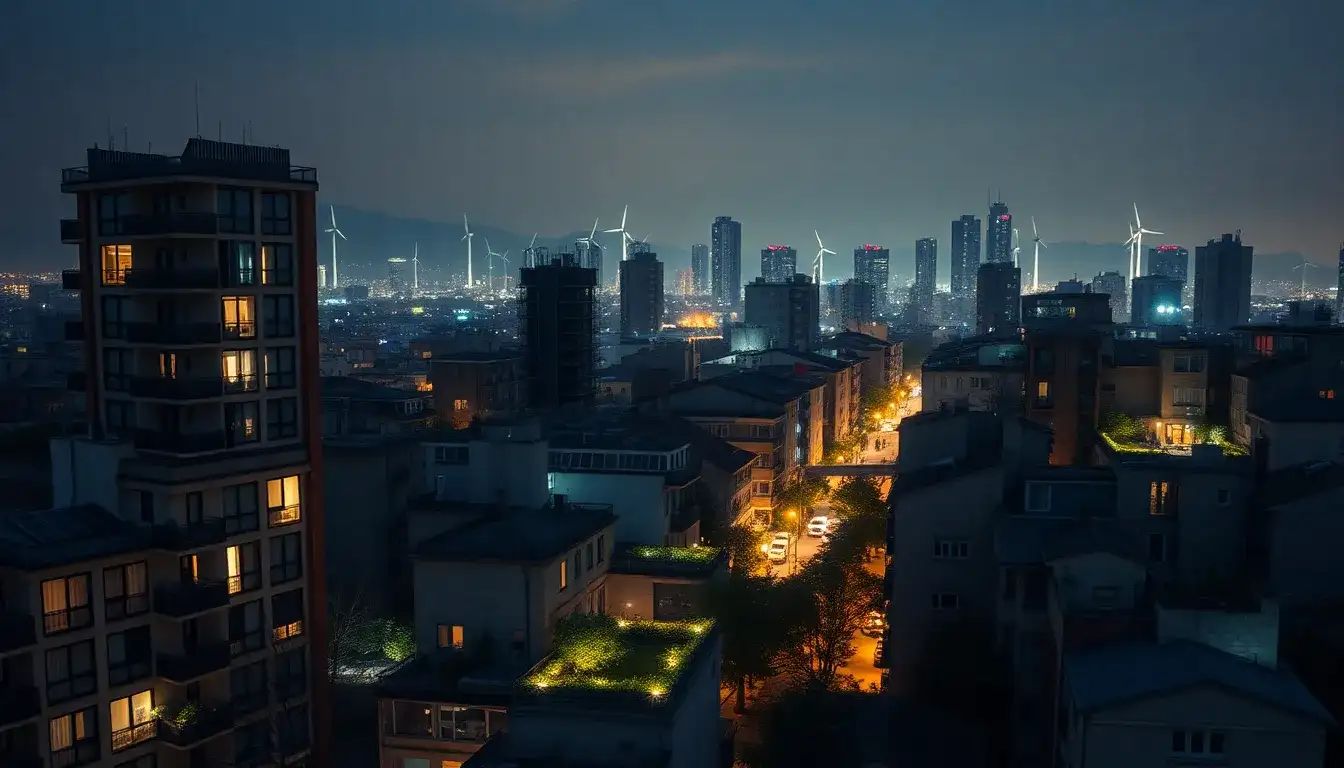
On April 28, 2025, the Iberian Peninsula experienced an unprecedented power outage that plunged Spain and Portugal into darkness for several hours. This large-scale blackout disrupted the daily lives of millions and exposed vulnerabilities in contemporary energy infrastructures. It also highlighted the critical importance of cross-border energy cooperation in mitigating such crises. In a remarkable display of regional solidarity, Morocco emerged as a key player by supplying emergency electricity to Spain, demonstrating the potential of international collaboration to enhance urban resilience and energy security (International Energy Agency, 2025).
### The Blackout: A Wake-Up Call
The blackout began at 12:33 PM local time, resulting in an immediate loss of approximately 15 gigawatts, which accounted for around 60% of Spain’s national electricity demand, within just five seconds. This sudden collapse triggered widespread disruptions: trains halted mid-journey, air traffic was delayed, and digital communication networks became unreliable. Essential services, including hospitals and emergency response units, relied on backup generators, but for millions of citizens, daily life came to a standstill.
Investigations revealed that a cascade of generation trips—instances where power plants automatically shut down due to faults or imbalances—occurred in southern Spain. This was likely exacerbated by high temperatures and fluctuating renewable generation, causing a major imbalance between electricity supply and demand. Protective mechanisms activated, leading to automatic disconnections across the grid to prevent equipment damage. This event starkly revealed the fragility of national grids, especially those heavily reliant on intermittent energy sources and aging infrastructure (European Network of Transmission System Operators for Electricity [ENTSO-E], 2025).
### What Went Wrong?
Analysis of data from Red Eléctrica de España (REE) between 12:30 and 12:35 highlighted several anomalies. Just minutes before the blackout, fluctuations were observed in the grid. Notably, there was a sudden spike in wind power generation, which had been low earlier in the day. Simultaneously, France abruptly ceased importing electricity from Spain, likely due to detected instability in the peninsular grid, further deepening the supply-demand imbalance.
At this critical moment, the few remaining operational nuclear power plants in Spain received overload signals. Following safety protocols, they automatically shut down by inserting control rods, further reducing base-load capacity. Additionally, solar photovoltaics experienced a dramatic drop in generation from 18,000 MW to 8,000 MW within seconds. Given that weather conditions had not changed significantly, the most plausible explanation is an automated command that switched off numerous solar facilities. REE sources suggest that the initial trigger may have been the disconnection of solar plants in southwest Spain. Typically, the grid compensates for such events using regulation mechanisms, primarily hydropower; however, hydropower alone eventually reached its adjustment capacity.
This sequence of events reveals a systemic issue: grid synchronization. All generation sources must operate at the same frequency (50 Hz). Stable base-load power, typically provided by nuclear, gas, or large hydro facilities, is essential for this synchronization, as these sources buffer the grid against disturbances. The sharp drop in base-load power and the unpredictability of renewables caused the grid to become desynchronized, necessitating a widespread shutdown to avoid catastrophic damage.
### Morocco’s Timely Intervention
Amidst the chaos, Morocco’s rapid intervention was crucial in stabilizing Spain’s grid. Utilizing the Spain-Morocco electricity interconnection—a submarine power cable linking Tarifa, Spain, to Fardioua, Morocco—Morocco supplied up to 900 megawatts of electricity to Spain. This emergency provision represented approximately 38% of Morocco’s national electricity production capacity at the time (Office National de l’Électricité et de l’Eau Potable [ONEE], 2025).
The interconnection infrastructure, initially commissioned in 1997 and expanded in 2006, consists of two 400 kV high-voltage direct current (HVDC) lines, boasting a combined transfer capacity of 1,400 MW. Energy can flow in both directions, enabling Spain and Morocco to support each other depending on grid conditions. Notably, plans are underway for a third 400 kV cable, aimed at increasing transmission capacity to 3,000 MW by 2027, thereby enhancing resilience and promoting deeper regional energy integration (World Bank, 2024). This incident underscored the strategic importance of cross-border interconnections, which not only facilitate energy trade during normal conditions but also provide essential emergency support during crises.
### Renewable Energy and Grid Stability
Spain has been praised for its ambitious push towards renewable energy, achieving a renewable energy share of 58.95% in its electricity mix by 2025 (Pexapark, 2025). However, the blackout reignited concerns regarding the grid stability challenges posed by intermittent renewable sources like wind and solar power. These sources are inherently variable and less predictable, necessitating sophisticated grid management techniques, energy storage solutions, and backup generation capacity to maintain a stable supply.
The incident has also reignited debates surrounding Spain’s ongoing plan to phase out nuclear energy. Critics argue that nuclear plants provide consistent baseload power, which is essential for grid stability, warning that an over-reliance on intermittent renewables could increase vulnerability to large-scale outages (Nuclear Energy Agency [NEA], 2024). This highlights the need for a diversified and balanced energy mix to support both the energy transition and system resilience.
### Morocco’s Renewable Energy Leadership
Morocco’s effective response during the Iberian blackout reflects its growing strength in the renewable energy sector. By 2025, Morocco had achieved a renewable energy capacity of approximately 12 gigawatts, with significant investments in solar and wind technologies. One of Morocco’s flagship projects, the Ouarzazate Solar Power Station (Noor Complex), exemplifies its leadership. As the world’s largest concentrated solar power (CSP) facility, it has a total installed capacity of 510 MW and incorporates molten salt storage, enabling electricity production even after sunset—an innovation crucial for addressing solar power’s intermittency challenges (World Bank, 2023).
Beyond Noor, Morocco has set ambitious energy goals, aiming for renewables to account for over 52% of its installed capacity by 2030, supported by initiatives like the Moroccan Integrated Wind Energy Program and new solar projects under the Noor Solar Plan.
### Implications for Urban Resilience
The 2025 Iberian blackout serves as a powerful reminder of the interconnectedness of modern energy systems and the urgent need for resilience in urban planning. Cities must go beyond merely expanding renewable energy capacity; they must invest in the underlying infrastructure—such as smart grids, energy storage systems, and flexible generation assets—that can enhance system stability (United Nations Habitat, 2023).
Enhancing interconnection capacities supports renewable energy integration and fosters a more resilient and flexible transnational grid. For instance, the European Union’s “Energy Union” strategy emphasizes building a fully integrated and interconnected European energy market to improve security and resilience.
Moreover, the blackout highlights the necessity of international cooperation. Morocco’s assistance to Spain serves as a model for how cross-border collaborations can buffer national systems against localized failures. Such partnerships will become increasingly vital as climate change escalates and energy systems face greater stress from extreme weather events and rising demand.
### Conclusion
The 2025 Iberian blackout was more than just a temporary disruption; it served as a clarion call to reevaluate energy resilience strategies in an era of deepening interdependence. As countries pursue aggressive renewable energy targets, they must also prioritize grid stability and resilience. Morocco’s pivotal support to Spain during the blackout underscores the transformative potential of international energy partnerships. Moving forward, building resilient urban energy systems will require a holistic approach that combines technological innovation, strategic infrastructure investments, diversified energy portfolios, and cross-border collaboration.
Original article by NenPower, If reposted, please credit the source: https://nenpower.com/blog/urban-resilience-and-energy-interdependence-insights-from-the-2025-iberian-blackout/

