

Unsubsidized Solar Remains the Most Cost-Effective Energy Option in the U.S.: Report
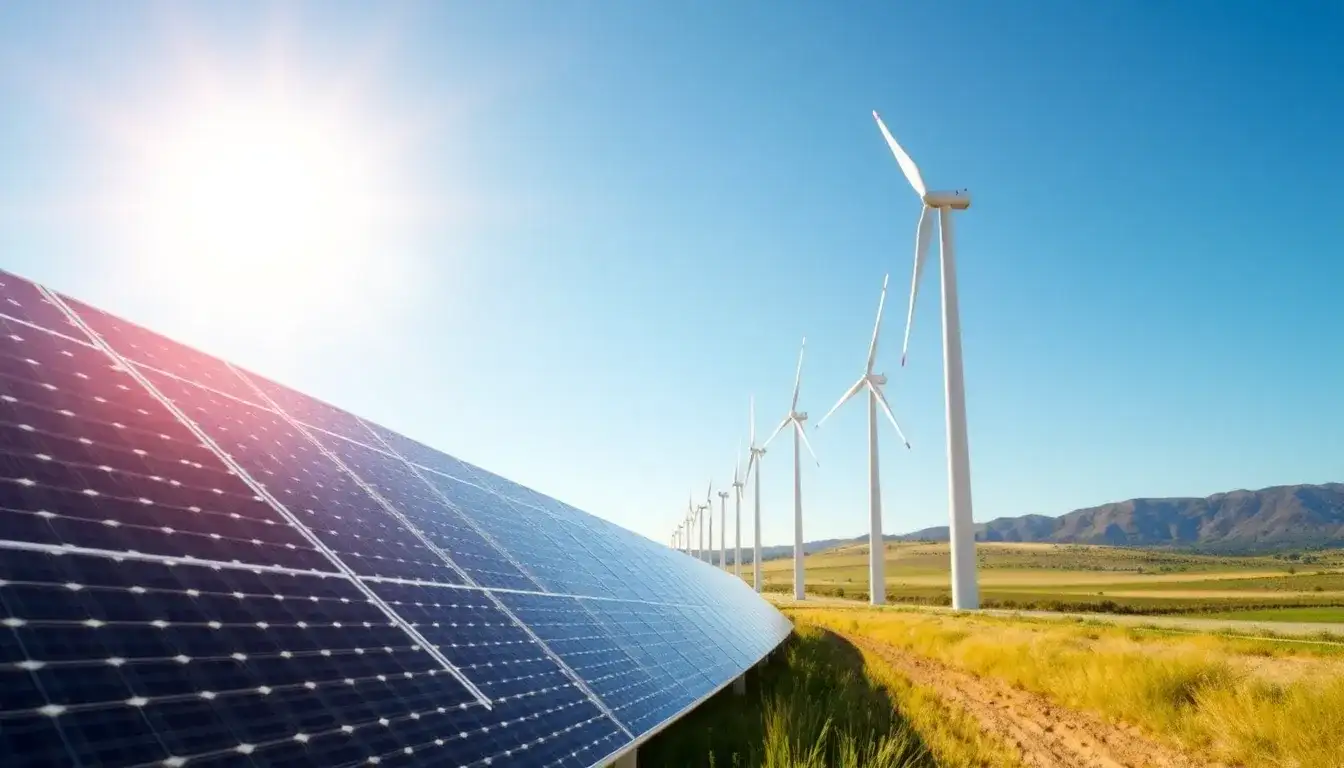
According to Lazard’s Levelized Cost of Energy+ (LCOE+) report, unsubsidized utility-scale solar and onshore wind continue to be the most cost-efficient energy generation technologies in the U.S. for the tenth consecutive year in 2025, despite facing macroeconomic challenges. The unsubsidized LCOE for standalone utility-scale solar in 2025 is projected to range between $38/MWh and $78/MWh. In comparison, the range for 2024 was slightly broader, spanning from $29/MWh to $92/MWh. Back in 2009, the base year for the report, solar energy was one of the most expensive sources of power, with costs between $323/MWh and $394/MWh. From 2009 to 2025, the levelized cost of utility-scale solar has decreased at an average annual rate of 11% at the low end and 84% at the high end.
While solar technology remains the leader in cost-effectiveness, the sharp price declines observed in earlier years have slowed since 2020, primarily due to inflation, higher interest rates, and increased capital costs. Key cost pressures include rising labor and balance-of-project expenses, alongside stabilized module prices following previous supply chain disruptions. Although efficiency gains and longer system lifespans continue to progress, the rate of improvement has diminished.
### Standalone Onshore Wind
The LCOE for onshore wind in 2025 is expected to range from $37/MWh to $86/MWh, reflecting a modest increase compared to previous years. The previous sharp declines in costs have slowed due to rising capital expenses across the supply chain. Turbine prices have increased due to global commodity inflation, heightened logistics and transport costs, and limited availability of large turbine components. However, technological advancements, such as larger turbines and higher capacity factors, are helping to offset some of these cost increases, allowing onshore wind to remain competitive despite upward pressures.
### Standalone Offshore Wind
Offshore wind is the most capital-intensive among major renewable generation technologies. According to the Lazard report for 2025, the unsubsidized LCOE for offshore wind ranges from $70/MWh to $157/MWh. These elevated costs are attributed to the complexities of offshore construction, which requires specialized labor and equipment for marine environments. Such projects also necessitate costly grid connections and underwater transmission systems, along with longer development timelines compared to land-based installations. Despite these high costs, offshore wind offers significant advantages, including high and stable capacity factors, the ability to supply power to densely populated coastal areas, and the potential for large-scale deployment in areas where land is limited. Lazard anticipates a reduction in offshore wind costs over time as the industry scales and benefits from a more competitive supply chain and expedited permitting processes.
### Solar + Storage Hybrid Systems
In 2025, the LCOE for utility-scale solar-plus-storage systems is projected to be between $50/MWh and $131/MWh on an unsubsidized basis. This represents a significant improvement over 2024, primarily due to falling battery prices and enhanced integration efficiency. An oversupply of lithium-ion batteries has lowered module prices, and advancements in energy density and battery lifespan have improved overall system performance. These hybrid systems utilize shared components, such as inverters and electrical systems, to reduce capital costs. As battery costs continue to decline, solar-plus-storage projects are becoming more common, providing reliable, clean power during peak demand periods and offering utilities a dependable renewable option to support grid stability.
### Energy Storage: Trends and Market Drivers
Lazard’s 2025 Levelized Cost of Storage analysis shows significant cost reductions for both utility-scale and commercial battery systems. The most notable declines have been observed in four-hour lithium-ion setups, which are rapidly being integrated alongside new renewable projects. The global surplus of lithium-ion batteries has driven prices lower, complemented by steady improvements in battery performance. Costs for utility-scale standalone systems with a capacity of 100 MW and a four-hour duration have continuously decreased over the past five years. In 2020, the levelized cost of storage ranged from $132/MWh to $245/MWh. By 2021, it shifted to between $131/MWh and $232/MWh. In 2022, costs temporarily increased to a range of $200/MWh to $257/MWh, before moderating to $170/MWh to $296/MWh in 2023. By 2025, the range fell again to between $115/MWh and $254/MWh. The average values over this period reflect a compound annual decline rate of 5% at the high end and 1% at the low end of the cost range.
Battery storage is now being utilized for more than just frequency regulation and energy arbitrage; it is increasingly vital for capacity firming and the integration of renewable energy. While the overall cost trend is downward, Lazard notes that price volatility has increased due to changing geopolitical factors, tariff policies, and shifts in the supply chain. Nevertheless, battery storage is becoming essential for expanding renewable energy and enhancing grid flexibility.
### Comparison with Conventional Generation
Lazard’s 2025 report consistently ranks renewable energy technologies as the most affordable option for new power generation. In contrast, the unsubsidized LCOE for natural gas combined-cycle plants ranges from $48/MWh to $109/MWh, while coal generation exceeds $100/MWh. Nuclear and gas peaker projects are even more expensive, making them less viable in most markets. Both solar and wind, whether deployed alone or in conjunction with storage, remain cost-competitive without subsidies. Federal incentives, such as production or investment tax credits, would further enhance this competitive edge. However, Lazard’s base-case LCOE figures do not take these subsidies into account.
### Cost of Firming Intermittency
Lazard’s 2025 analysis includes a “Cost of Firming” metric to capture the full system cost of integrating intermittent renewable energy sources. This metric estimates the additional expense of securing firm backup capacity, based on the effective load-carrying capability (ELCC) of the renewable source and the net cost of new entry for firm energy generation, such as gas turbines or battery storage. As renewable energy use increases, ELCC typically declines, necessitating more backup for each megawatt-hour of renewable power, which raises firming costs. Regions with high solar penetration face particularly high firming costs, as peak solar output often does not align with peak demand. Additionally, firming costs vary based on grid and capacity mix. For example, utilizing gas turbines in the Pennsylvania-New Jersey-Maryland Interconnection region is significantly cheaper than using four-hour batteries in the California Independent System Operator area. These insights highlight the importance of considering system-level costs when evaluating resource adequacy and the true cost of renewable energy portfolios.
Original article by NenPower, If reposted, please credit the source: https://nenpower.com/blog/unsubsidized-solar-and-onshore-wind-continue-to-lead-as-most-affordable-energy-sources-in-the-u-s/

