

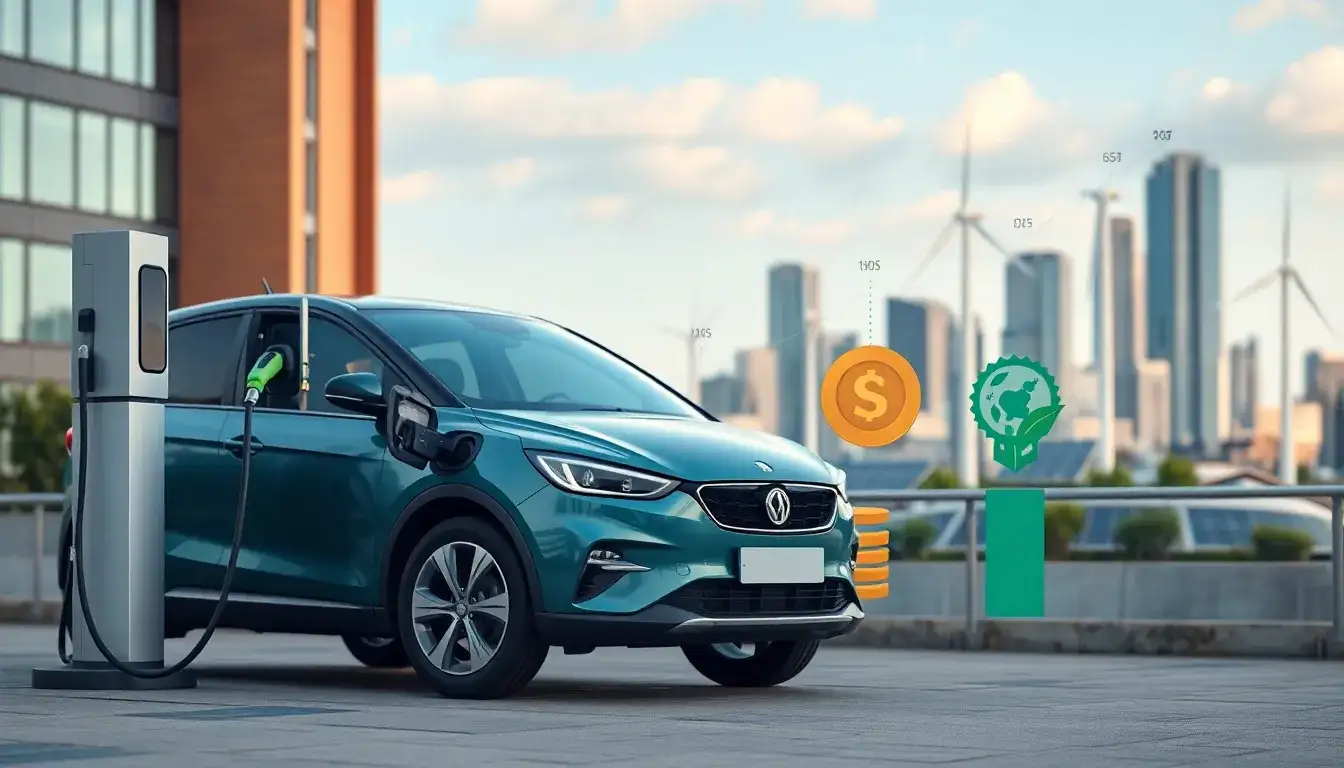
From “true fragrance” to “true simplicity,” what are the main factors influencing the cost of new energy vehicles? As the market evolves and consumer preferences shift, understanding these factors becomes essential.
As of May 29, 2025, in a report from the market analysis platform, it was noted that the cost of new energy vehicles (NEVs) is seeing significant fluctuations. According to industry experts, the demand for NEVs is expected to continue growing, with a projected increase in the number of vehicles sold.
By 2025, the price range for NEV models will be between 480,200 to 541,200 yuan, despite some models not yet being released this year. The anticipated average price for NEVs will still require substantial investments, estimated at around 600,000 yuan.
Since December 2021, the National Development and Reform Commission released a document outlining the pricing framework for NEVs, which has led to rising costs associated with these vehicles. Data from the Ministry of Industry and Information Technology indicates that in 2023, the average subsidy for new energy vehicles in China was approximately 43,950 yuan, which represents a 63% increase compared to traditional gasoline vehicles.
In Shanghai, the cost of NEVs is projected to remain competitive, with subsidies still expected to be around 1,200 yuan this year, despite the rising prices of gasoline and diesel.
The rising cost of ownership for NEVs can be attributed to several factors. The main concern among consumers is the sustainability of subsidies, especially in the context of fluctuating prices for battery materials and manufacturing costs. The connection between battery costs and overall vehicle pricing is critical, as they directly impact the affordability of new energy vehicles.
On the supply side, manufacturers are facing challenges with shorter product lifecycles compared to traditional gasoline vehicles, which typically have a lifecycle of 4 to 6 years. This rapid turnover results in increased maintenance costs for NEVs, which may reach up to 40% higher than their gasoline counterparts.
Looking at the market dynamics, the increased adoption of NEVs as public transport options and their integration into ride-sharing services are also influencing their pricing. However, the infrastructure for charging and maintenance still lags behind, which could further escalate costs for consumers.
To address these challenges, the government is implementing measures to streamline the pricing mechanisms and enhance support for NEV manufacturers. Enhanced collaboration among manufacturers, policymakers, and suppliers is expected to stabilize the market and improve pricing strategies.
In summary, the cost of ownership for new energy vehicles is influenced by various factors, including manufacturing costs, market demand, and government policies. As the industry continues to evolve, manufacturers and consumers alike will need to adapt to these changes to ensure a sustainable future for new energy vehicles.
Original article by NenPower, If reposted, please credit the source: https://nenpower.com/blog/understanding-the-evolution-of-subsidies-for-new-energy-vehicles-from-true-cost-to-true-value/

