

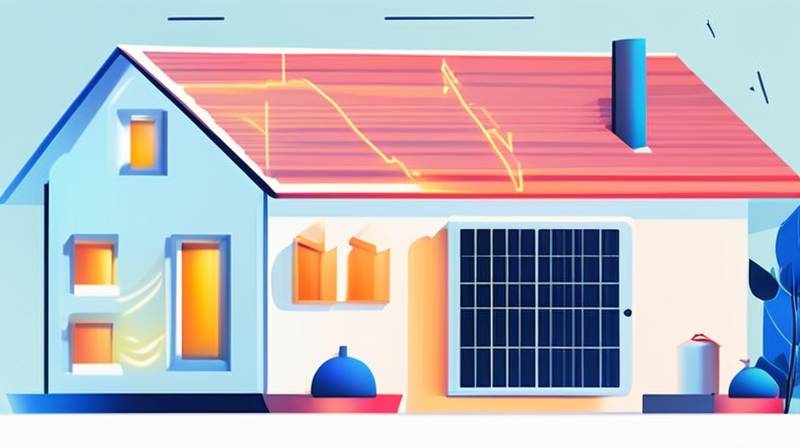
Understanding the Costs of Home Energy Storage
Cost considerations for home energy storage systems involve various critical aspects such as 1. Initial investment, installation expenses, maintenance costs, and potential savings on energy bills. The initial investment often denotes a significant upfront payment that homeowners must consider when evaluating the feasibility of adopting these systems. Installation expenses can vary based on location, type of system, and complexity. Maintenance costs typically occur over time and include necessary repairs and replacements, while potential savings on energy bills arise when a home can store excess energy generated from renewable sources, providing a return on that initial investment.
The effectiveness and efficiency of energy storage can vary widely, indicating the importance of understanding how these systems operate within the broader energy landscape.
1. INITIAL INVESTMENT
Homeowners often face a steep entry point regarding the price tag associated with energy storage solutions. The initial investment represents a primary barrier to entry for many consumers contemplating this technology. Typically, costs may range from $5,000 to $15,000 depending on the system’s capacity, brand, and features.
When considering the variations in prices, it is important to highlight that the installation includes not just the batteries themselves but also the essential infrastructure for setting up the system. This can encompass specialized equipment, such as inverters that convert direct current into alternating current, necessary for usage in standard residential settings. Understanding these components plays a crucial role in not only budgeting for the system but also appreciating its functional efficacy. Additionally, selecting a reputable installer can impact the cost, as experienced professionals may charge higher fees due to their proficiency, but might offer long-term savings through optimal installations.
Moreover, financial incentives provided by local or federal governments can help mitigate these upfront costs. Programs aimed at promoting renewable energy usage may offer rebates, grants, or tax credits, effectively lowering the financial barrier to adopting a home energy storage solution. Homeowners should investigate all available financial options and weigh the immediate and long-term benefits of such incentives to arrive at a more comprehensive understanding of total costs involved.
2. INSTALLATION EXPENSES
The process of installing a home energy storage system often includes several additional costs beyond the purchase price of the units themselves. Installation expenses can be affected by various factors, such as the complexity of the installation, the location of the residence, and the selected storage technology.
Typically, costs associated with installation can add 20% to 30% on top of the equipment price. Homeowners must consider the type of energy storage system they desire, including options such as lithium-ion batteries, lead-acid batteries, or newer technologies like flow batteries. Each system has unique characteristics affecting installation complexity, time, and final expenses incurred. For instance, a lithium-ion system may require less space and simpler installation compared to a flow battery system that might necessitate additional plumbing and space considerations.
Furthermore, geographical location plays a vital role in installation expenses. Areas with high labor costs will unmistakably result in elevated installation fees. Also, property features such as accessibility and existing electrical setups can greatly affect the time and resources needed for installation, which translates into increased costs. Therefore, it is advisable for consumers to obtain multiple quotes from different service providers to garner a realistic assessment of their suited installation expenses.
3. MAINTENANCE COSTS
Once a home energy storage system is operational, maintenance costs undertake a crucial role in determining the long-term financial implications of ownership. While many systems require relatively low maintenance, periodic checks and replacements are necessary to sustain functionality.
While suitable technologies often come with warranties covering manufacturing defects and performance degradation over time, routine maintenance involves assessing the physical condition of batteries, checking software updates, and monitoring performance metrics. Battery management systems (BMS) are essential for ensuring operational efficiency, thereby enhancing the battery lifespan. This could involve software costs for updates or subscription-based services that homeowners may need to consider.
As with any technological investment, the reliability and reputation of the manufacturer play a significant role. Companies offering robust support post-purchase tend to foster longer-lasting products, potentially reducing maintenance costs. On the other hand, opting for cheaper alternatives may lead to hidden expenses if a quick replacement is required. Therefore, doing thorough research on battery technology and manufacturer credibility can provide insights into the reliability and expected maintenance needs of the system.
4. POTENTIAL SAVINGS ON ENERGY BILLS
As energy prices fluctuate, many homeowners look for ways to minimize their monthly outlays. Potential savings on energy bills represent a significant aspect of discussing home energy storage systems. When effectively deployed, these systems enable households to store energy generated during peak sunlight hours or off-peak hours, utilizing this stored energy when electricity prices surge.
One of the primary advantages of energy storage is its ability to facilitate peak shaving. This practice allows homeowners to draw from stored energy during periods of high demand instead of relying on more expensive grid electricity. For instance, many regions witness peak pricing during afternoon hours when demand for electricity spikes. By utilizing stored energy, consumers can shield themselves from these price hikes, reaping long-term financial benefits.
In addition to on-grid advantages, homeowners with solar arrays can experience greater savings than those without energy storage systems. The combination of solar panels with energy storage maximizes self-consumption rates, allowing homeowners to benefit from solar energy even when the sun isn’t shining. Although initial costs may deter investment, the cumulative savings over time can result in a positive return on that initial investment. Staying informed regarding energy prices and incentives is vital for maximizing these potential financial gains.
FAQs
WHAT ARE THE MAIN FACTORS AFFECTING THE COST OF HOME ENERGY STORAGE SYSTEMS?
The expenses associated with home energy storage systems hinge upon several critical factors. Firstly, unit purchase prices primarily depend on battery technology type. For instance, technologies like lithium-ion batteries generally carry higher costs due to better performance and longevity than lead-acid or other alternatives. Furthermore, installation costs also significantly influence final expenses. Different geographical locations create variances in labor prices, while unique property features necessitate varying installation efforts. Additional elements include government incentives, which may diminish upfront costs but vary significantly between regions.
Second, ongoing maintenance costs are crucial for comprehending total ownership expenses over time. Battery health monitoring and replacement costs must be factored into long-term financial planning. Combining all these factors provides a more comprehensive understanding of the overall financial picture when evaluating home energy storage systems.
HOW LONG DOES A HOME ENERGY STORAGE SYSTEM LAST?
The durability of a home energy storage system largely depends on the technology chosen and the manner in which it is employed. Generally, most lithium-ion batteries boast lifespans ranging from 10 to 15 years, while lead-acid batteries may last significantly shorter, often only 3 to 5 years. Many manufacturers provide warranties that cover their products for a set number of cycles or years.
Moreover, various operational factors can influence longevity as well. Proper charging and discharge cycles, routine maintenance, and environmental conditions significantly contribute to the lifespan of a storage system. Homes that operate under optimal conditions and follow recommended practices may reap greater longevity from their systems, ensuring homeowners maximize their investment over time and realize the financial benefits.
ARE THERE FINANCIAL INCENTIVES FOR INSTALLING ENERGY STORAGE SYSTEMS?
Yes, numerous financial incentives exist to encourage homeowners to invest in energy storage systems. When evaluating potential savings, consumers should consider examining local, state, and federal initiatives that promote renewable energy. Depending on the region, incentives may include rebates, grants, or tax credits for energy storage system installations.
Many electric utilities have also developed incentive programs aimed at reducing the burden of initial installation costs. Some companies offer rebates based on system size or performance metrics, while others might allow customers to participate in demand response programs that provide financial rewards for energy conservation during peak load periods. Thus, researching available incentives can be instrumental in lowering the overall costs associated with installing home energy storage systems while enhancing the potential for long-term savings.
The exploration of costs associated with home energy storage systems reveals multifaceted financial considerations that prospective buyers must navigate. Engaging comprehensively with aspects such as initial investments, installation expenses, ongoing maintenance, and anticipated savings allows homeowners to make informed decisions. The journey begins with understanding the initial investment, which often includes a significant upfront cost ranging from thousands to tens of thousands of dollars. Together with this, prospective buyers should investigate local incentives that can offset these costs, while considering necessary installation expenses that encompass labor and other related fees.
The importance of further analyzing maintenance costs cannot be overstated. Over time, expenses may accrue due to upkeep or replacement of components, placing an emphasis on choosing quality systems from reputable manufacturers. Lastly, the potential for savings on monthly energy bills signifies the financial implications tied to investing in home energy storage systems.
Homeowners who diligently assess their energy consumption patterns, stay informed about changing energy prices, and take advantage of financial incentives may find their investment in energy storage not merely just a purchase, but a financially sound investment for reducing long-term energy costs and embracing a sustainable energy future. In the continuously evolving landscape of energy expenses and savings, comprehension of these intricate components lays the groundwork for a productive and informed investment decision.**
Original article by NenPower, If reposted, please credit the source: https://nenpower.com/blog/understanding-the-costs-of-home-energy-storage/

