

Classification and Analysis of Solar Energy Systems
As of September 30, 2025, the solar energy market has experienced significant growth, driven by advancements in technology and increasing demand for renewable energy sources. The application of solar power systems has diversified across various sectors.
This article provides a detailed analysis of the different types of solar energy systems, categorizing them based on their specific application scenarios, technological characteristics, and performance requirements.
1. Ground-Mounted Solar Power Plants
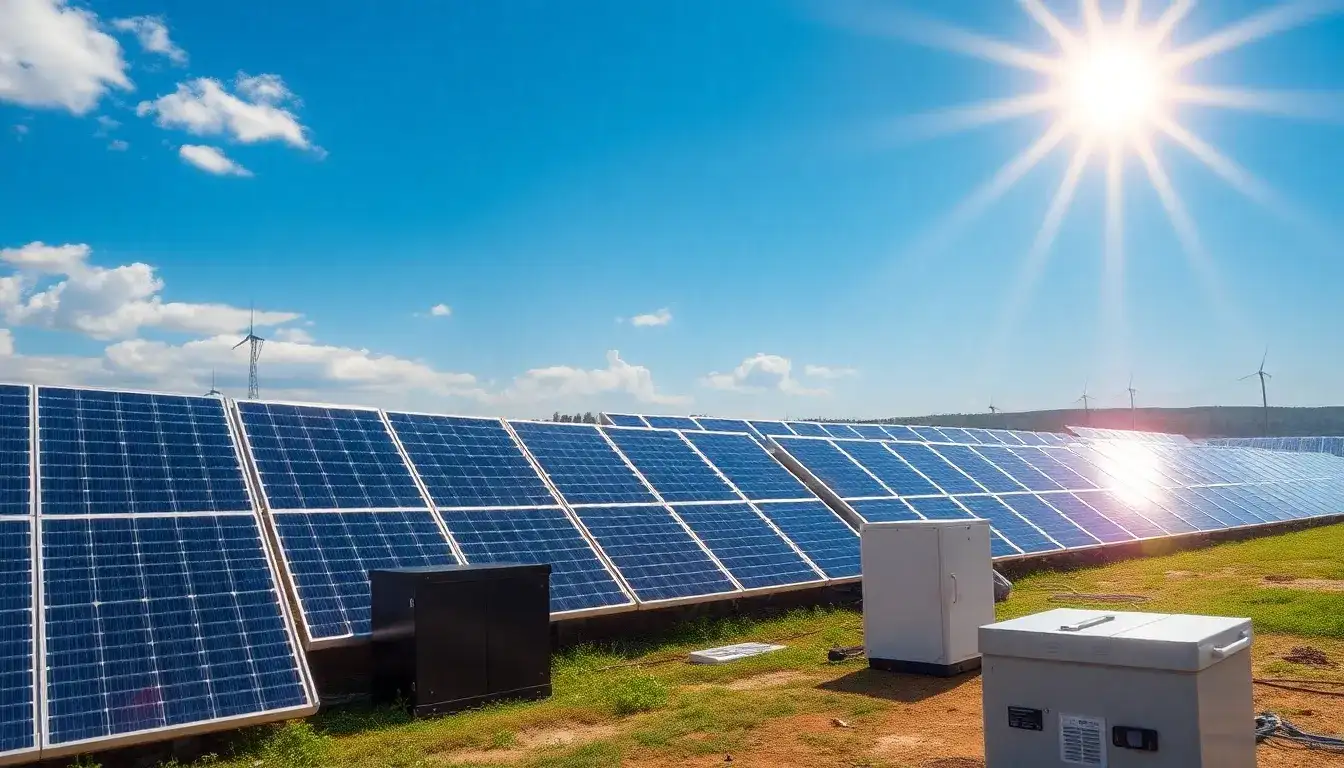
Ground-mounted solar power plants are among the most common types of solar energy systems. Typically constructed in open areas such as deserts, fields, and rooftops, these plants can generate substantial amounts of electricity. With installation scales ranging from several kilowatts to hundreds of megawatts, they are capable of meeting large-scale power demands. However, these systems also face challenges related to land use, environmental impacts, and grid connectivity.
2. Distributed Solar Power Systems
Distributed solar power systems are smaller-scale installations typically used to meet local electricity needs. Commonly employed in residential areas, businesses, and industrial parks, they can operate independently or be connected to the grid. These systems enhance energy efficiency by allowing users to produce their electricity and reduce reliance on centralized power sources.
3. Floating Solar Systems
Floating solar systems are an innovative way to harness solar energy on water surfaces such as reservoirs, lakes, and ponds. This type of system utilizes the water surface as a platform for solar panels, which helps reduce land use and enhances cooling efficiency. Floating solar systems have gained popularity due to their ability to produce electricity while minimizing evaporation and land degradation.
4. Building-Integrated Photovoltaics (BIPV)
BIPV refers to solar technology that is integrated into the building structure itself, such as solar windows or facades. This innovative approach not only generates electricity but also contributes to the aesthetic and functional aspects of buildings. BIPV systems are ideal for urban environments where space is limited and can significantly enhance energy efficiency in buildings.
5. Concentrated Solar Power (CSP)
CSP systems use mirrors or lenses to concentrate sunlight onto a small area to generate heat, which is then converted into electricity. These systems are suitable for large-scale power plants and can provide energy storage solutions to supply electricity even when the sun is not shining. CSP technology has advanced significantly, making it a viable option for utility-scale solar energy production.
In conclusion, solar energy systems can be categorized into various types based on their application scenarios, technological characteristics, and performance requirements. Each type of system has its unique features and advantages, making them suitable for different applications and energy needs.
The growing importance of renewable energy sources like solar power will likely lead to further advancements and wider adoption of these technologies, contributing to a more sustainable energy future.
Original article by NenPower, If reposted, please credit the source: https://nenpower.com/blog/understanding-the-classification-and-analysis-of-solar-energy-systems/

