

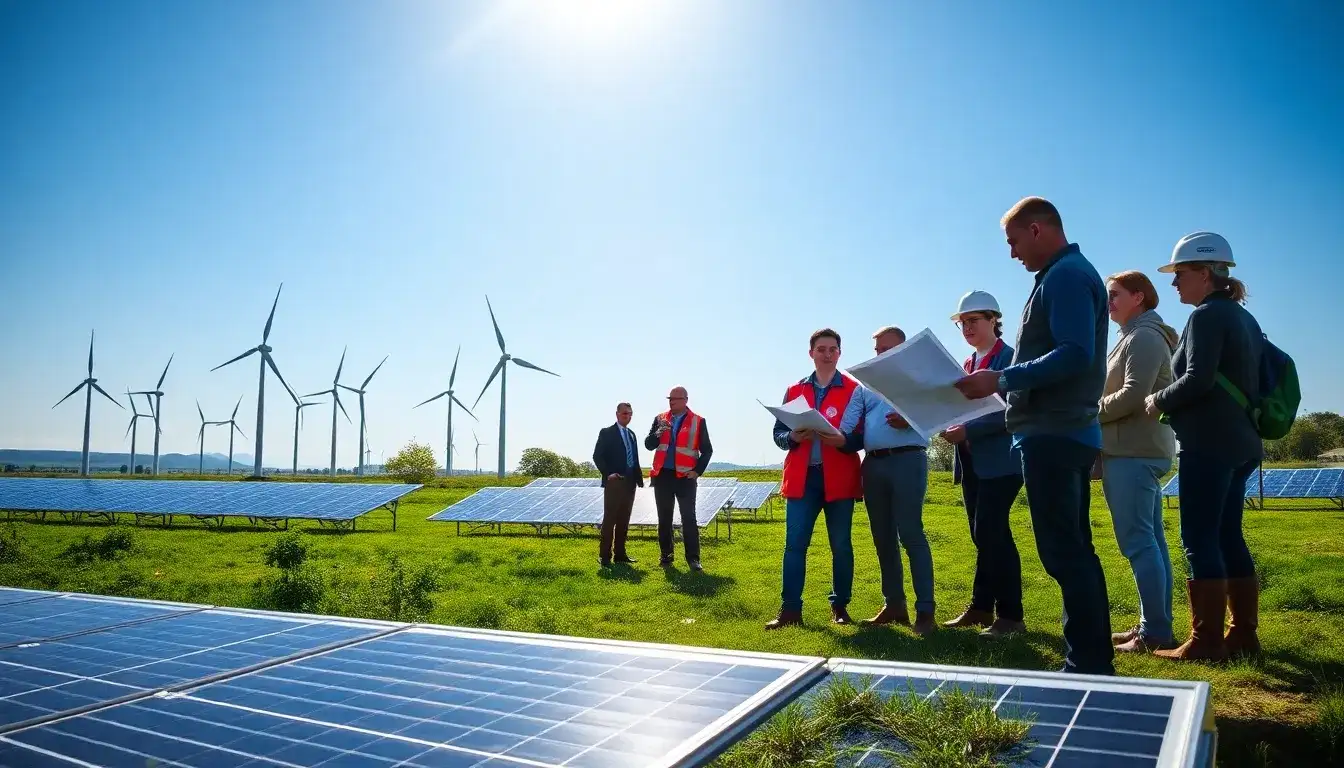
The UK is set to significantly enhance its clean energy investments by over £30 billion per year over the next decade, as part of a comprehensive industrial strategy. This initiative was announced on June 25, 2023, alongside the introduction of the new Clean Energy Industries Sector Plan, which aims to bolster the UK economy through investments in low-carbon technologies by 2035.
The plan emphasizes critical sectors such as offshore and onshore wind, nuclear fission and fusion, hydrogen, carbon capture, usage, and storage (CCUS), as well as heat pumps. Great British Energy, a state-owned entity, is expected to invest more than £8.3 billion during the current parliamentary term, which includes £1 billion dedicated to a Clean Energy Supply Chain Fund aimed at supporting domestic manufacturing.
Furthermore, the National Wealth Fund, which has £27.8 billion in capital, will allocate at least £5.8 billion towards CCUS, hydrogen, ports, and green steel projects. The British Business Bank, also state-owned, plans to distribute £4 billion through its Industrial Strategy Growth Capital package to attract £12 billion in private investments for climate technology firms.
The newly launched “clean industry bonus” within the contracts for difference scheme has committed £544 billion to offshore wind supply chains, potentially leveraging an additional £9 billion in private funding. The government anticipates that the offshore wind sector alone could contribute between £2 billion and £3 billion of gross value added per gigawatt installed, supporting approximately 100,000 jobs by 2030.
Investment in nuclear fission initiatives includes £300 million for the high-assay low-enriched uranium fuel program, while the Hinkley Point C and Sizewell C nuclear plants aim to return 64% and 70% of their construction value, respectively, to UK businesses. The fusion energy sector is set to receive £2.5 billion over the next five years to advance research, including the Spherical Tokamak for Energy Production prototype slated for completion by 2040.
Hydrogen projects are expected to secure £400 million in private investment by 2026, with a regional hydrogen network planned for 2031. CCUS projects will benefit from a £9.4 billion investment aimed at supporting the East Coast and HyNet clusters, with additional funding for the Acorn and Viking clusters under consideration. The £13.2 billion Warm Homes Plan is designed to increase demand for heat pumps, complemented by an investment accelerator competition to enhance manufacturing capabilities.
Beginning in 2027, the British Industrial Competitiveness Scheme is projected to lower electricity costs by up to £40/MWh for more than 7,000 electricity-intensive businesses across sectors such as automotive, aerospace, and chemicals. The government also plans to increase support for around 500 energy-intensive firms, including steel and glass manufacturers, by raising their electricity network charge discount from 60% to 90% starting in 2026.
The plan anticipates substantial job growth by 2035, accompanied by a forthcoming Clean Energy Workforce Strategy aimed at addressing skill shortages in engineering and manufacturing.
Original article by NenPower, If reposted, please credit the source: https://nenpower.com/blog/uk-plans-30-billion-annual-investment-surge-in-clean-energy-sector/

