

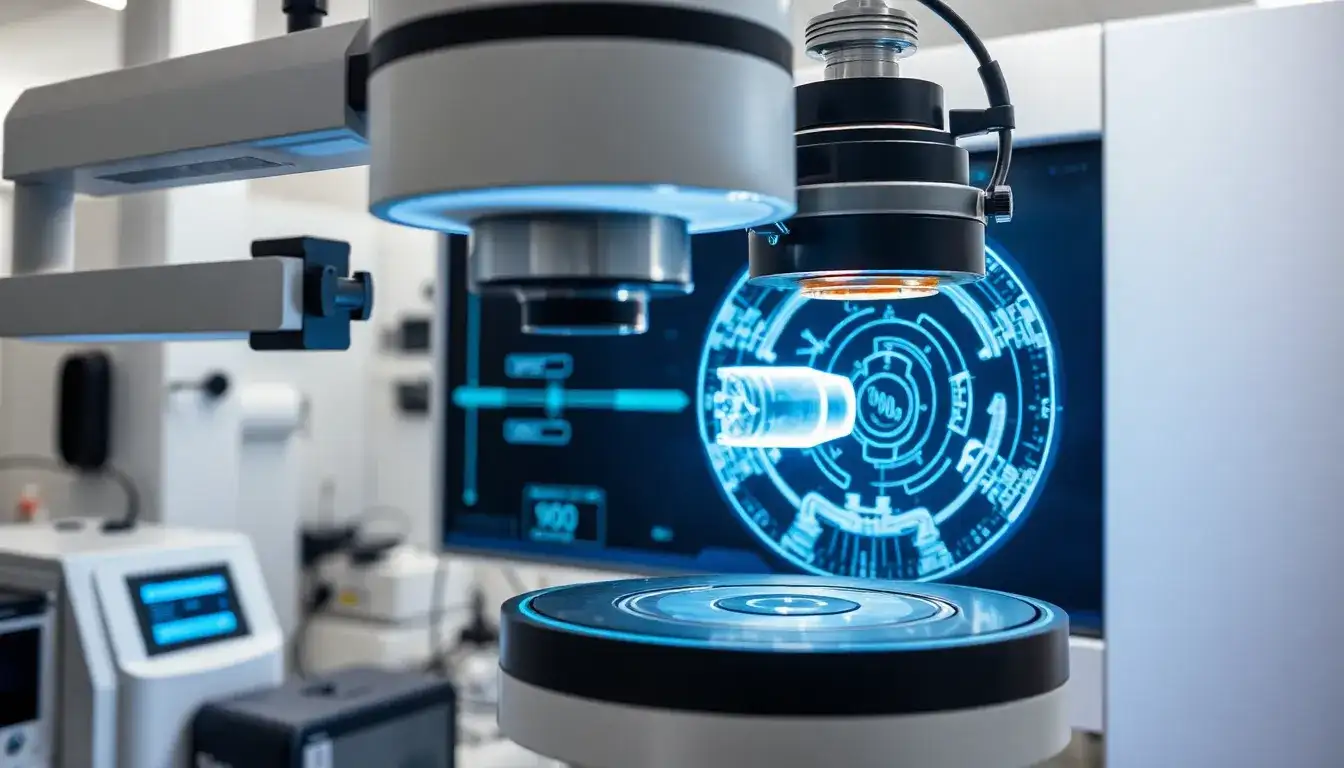
In a groundbreaking development, researchers at UCLA have introduced an advanced imaging technique that could transform the battery industry. This innovative method, known as electrified cryogenic electron microscopy (eCryoEM), enables scientists to observe the intricate processes occurring within lithium-metal batteries during charging, providing new insights into battery design.
By capturing images at a resolution smaller than the wavelength of light, eCryoEM allows for a detailed examination of the formation and growth of the corrosion layer within batteries. This advancement has the potential to lead to longer-lasting energy storage solutions.
### Revolutionizing Energy Storage with eCryoEM
The introduction of eCryoEM represents a significant leap in battery research. Traditional methods often left researchers without a clear understanding of the charging process, only capturing the initial and final states of electrochemical reactions. In contrast, eCryoEM fills this gap, allowing for real-time observation of lithium-metal batteries as they charge. By rapidly freezing the batteries with liquid nitrogen, researchers preserved the dynamic reactions occurring within, similar to creating a flipbook animation showcasing the growth of the corrosion film over time.
Understanding the dynamics of the corrosion layer is crucial, as it plays a key role in determining battery lifespan and performance. By gaining insights into how this layer develops and affects battery function, scientists aim to create batteries that not only store more energy but also maintain their efficiency over longer periods. The potential to double the energy density of current lithium-ion batteries could be a game-changer for industries that rely on portable power sources.
### The Science Behind Corrosion Layer Dynamics
The eCryoEM technique has deepened our understanding of corrosion layer dynamics in lithium-metal batteries. Initially, the layer’s growth is limited by the rate at which lithium reacts. However, as the layer thickens, growth becomes constrained by the diffusion rate of electrons through the film. This was an unexpected finding, as researchers had initially believed the diffusion-limited stage would be more significant. Instead, it was discovered that a high-performing electrolyte primarily impacts the early, reaction-limited stage, enhancing performance by a factor of three compared to standard electrolytes.
These findings suggest that engineering efforts should focus on optimizing the reactivity of the electrolyte rather than solely on the diffusion properties of the corrosion layer. By making the liquid electrolyte as inert as possible, the stability and lifespan of lithium-metal batteries could significantly improve, providing a more viable alternative to current lithium-ion technology.
### Implications for Future Battery Design
The implications of this research extend far beyond battery technology. The ability to capture detailed images of electrochemical reactions as they occur could inform the design of various materials and devices. For example, similar techniques could be applied in biology, where understanding dynamic processes within cells could lead to breakthroughs in medical treatments and diagnostics.
For the battery industry, insights from eCryoEM offer a roadmap for developing next-generation energy storage solutions. By concentrating on the early stages of corrosion layer formation and optimizing electrolyte reactivity, manufacturers could produce batteries that not only deliver greater energy density but also exhibit improved cycling stability. This could result in longer-lasting batteries, reducing the frequency of replacements and minimizing the environmental impact of battery disposal.
### Challenges and the Path Forward
Despite these promising findings, transitioning from research to practical application poses several challenges. Engineering a stable and efficient lithium-metal battery requires precise control over multiple variables, including the composition and behavior of the electrolyte and the design of the battery itself. Additionally, scaling up the eCryoEM technique for industrial use will necessitate significant investment in technology and infrastructure.
Nevertheless, the potential benefits of such advancements are immense. With the growing demand for high-capacity, efficient batteries across various sectors, from consumer electronics to electric vehicles, innovations like eCryoEM are critical. As researchers continue to refine this technique and explore its applications, one question remains: How will these breakthroughs transform the way we harness and store energy in the future?
Original article by NenPower, If reposted, please credit the source: https://nenpower.com/blog/uclas-new-imaging-technique-enhances-battery-lifespan-and-charging-efficiency/

