

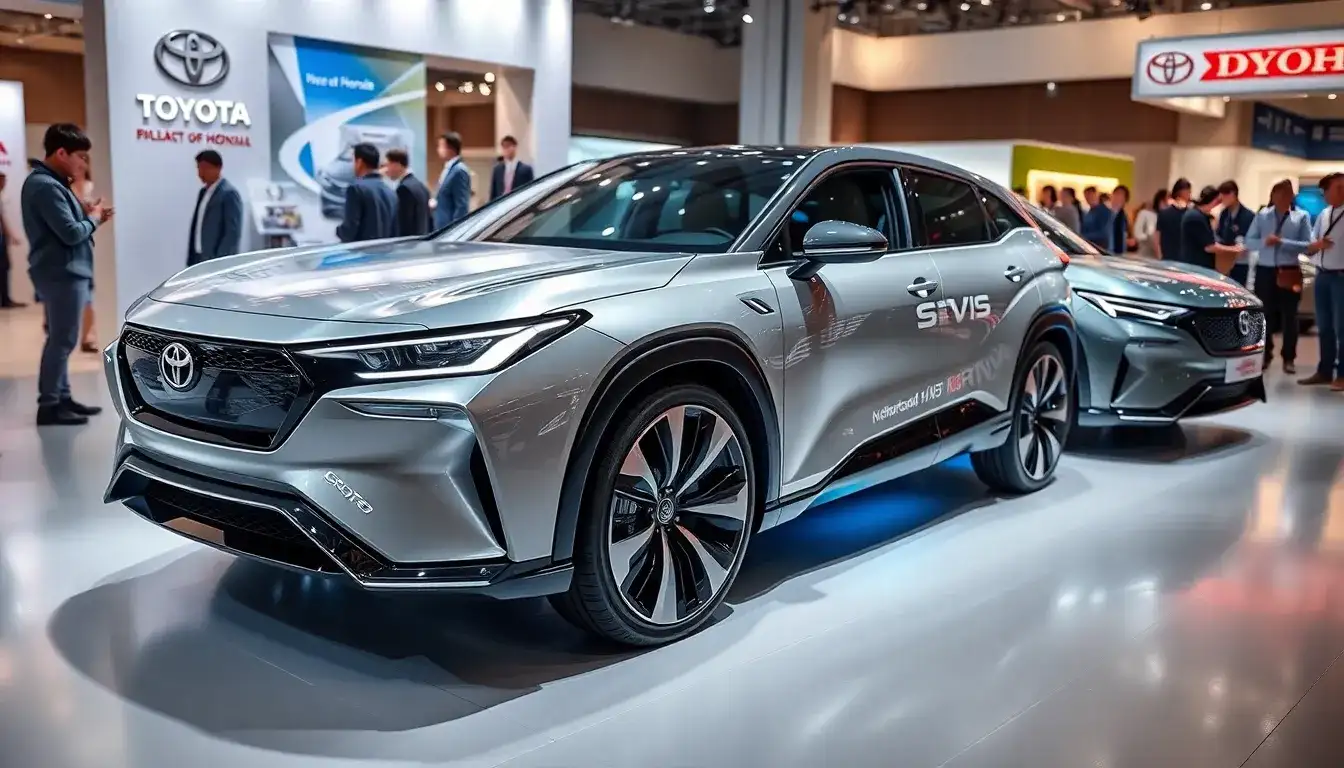
Toyota Motor Corporation and Honda Motor Co. are focusing on hydrogen fuel cell vehicles (FCVs) as they strive to improve their performance and expand their market presence. As both companies aim to enhance the capabilities of their hydrogen vehicles, they are also addressing the challenges posed by conventional fuel vehicles.
According to industry experts, hydrogen fuel cell technology is a natural extension of internal combustion engine technology, allowing for a complementary relationship with gasoline vehicles. This means that Japanese automakers are not likely to phase out hydrogen fuel cell vehicles in the near future, as they continue to optimize their production and distribution chains.
In April 2025, Toyota is expected to launch its third-generation hydrogen fuel cell system. This new system promises enhanced durability and efficiency, comparable to that of diesel engines, while achieving a fuel efficiency increase of approximately 1.2 times and a reduction in driving distance by about 20%. Additionally, the design and manufacturing technology of the fuel cell system is set to contribute significantly to cost reductions.
By 2026, Toyota plans to release the next-generation hydrogen fuel cell systems in markets outside Japan, including Europe, North America, and China. Despite the current challenges, the company is optimistic about the potential of hydrogen fuel cell vehicles. They emphasize that the infrastructure for hydrogen refueling stations is still developing, and significant investments are required to improve accessibility.
Currently, there are about 158 hydrogen refueling stations across Japan, concentrated mainly in major urban areas such as Tokyo, Osaka, and Nagoya. However, the limited number of stations makes it inconvenient for consumers who wish to own hydrogen-powered vehicles.
Both Toyota and Honda recognize that the commercial market for hydrogen fuel cell vehicles is growing, and they are committed to advancing this technology. The Japanese government aims to achieve carbon neutrality by 2050, making hydrogen fuel cell vehicles a promising option for reducing emissions.
However, the adoption rate of hydrogen vehicles among consumers remains low, primarily due to high acquisition costs and the limited availability of hydrogen refueling stations. As both companies continue to develop their hydrogen fuel cell models, they also aim to meet consumer demands and enhance the overall experience of owning a hydrogen vehicle.
In summary, Toyota and Honda are dedicated to advancing hydrogen fuel cell technology as a viable alternative to gasoline vehicles. With ongoing improvements in efficiency, cost, and infrastructure, they believe that hydrogen vehicles will play a crucial role in the future of sustainable transportation.
Original article by NenPower, If reposted, please credit the source: https://nenpower.com/blog/toyota-and-honda-unveil-advanced-hydrogen-fuel-cell-technology-for-next-generation-vehicles/

