

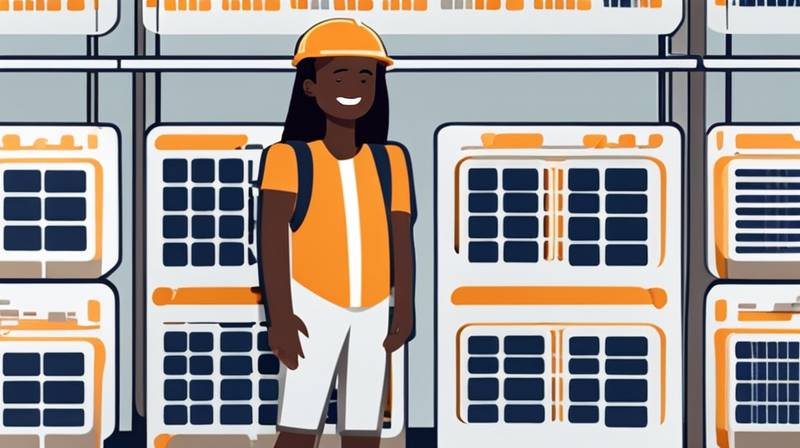
This solar mini-grid company, recognized for its innovative approaches in renewable energy solutions, has successfully secured $103 million in funding, which will facilitate its expansion initiatives across diverse markets in Africa and Asia. 1. The funding enables the establishment of additional mini-grids, 2. it enhances access to electricity in underserved regions, 3. the company aims to reduce energy poverty, 4. it supports a sustainable energy ecosystem. The influx of capital is expected to accelerate the company’s growth trajectory and impact, striving to provide renewable energy solutions that meet the demands of communities lacking reliable power sources.
1. BACKGROUND OF THE COMPANY
Exploring the origins and evolution of the solar mini-grid company offers insights into how it has positioned itself as a leader in the renewable energy sector. Established with a vision to drive sustainable energy solutions, the company has developed a robust portfolio of mini-grid projects that cater to various geographic locations facing energy shortages. Through an innovative blend of technology and local resources, the enterprise has crafted solutions that are both environmentally sustainable and economically feasible.
The intent of this organization is not merely to profit financially but to create a lasting social impact. By focusing on underserved areas, the company aligns its operational strategies with broader global objectives such as the UN Sustainable Development Goals, particularly those related to clean energy access and poverty alleviation. Therefore, the ambition to garner additional funding reflects both a commitment to growth and a deep-seated mission to transform energy accessibility.
2. FUNDING DETAILS AND INVESTORS
Unpacking the intricacies of the recent funding round reveals a diverse array of investors, including venture capitalists, development finance institutions, and impact investors. This composite funding structure allows for a unique blend of support, combining financial investment with strategic advice and industry expertise. Notably, the involvement of impact investors suggests that the financial backers are not only interested in monetary returns but also value the company’s social mission.
The substantial sum of $103 million will be primarily allocated towards scaling up existing mini-grid installations and launching new projects. Investments will cover the costs of infrastructure development, technology refinement, and community engagement initiatives. Engaging local stakeholders not only enhances trust but also ensures that the solutions devised are culturally appropriate and address the unique needs of each community. The sustained interest from reputable investors underscores the growing confidence in the potential of renewable energy ventures to yield transformative results.
3. IMPACT ON COMMUNITIES
Examining the broader implications of these operations reveals that the company’s initiatives have the potential to significantly alter the landscape of energy consumption and accessibility in targeted communities. Mini-grids can bridge the energy gap, providing reliable electricity to households and businesses that traditionally rely on intermittent sources such as diesel generators or kerosene lamps. 1. Enhanced electricity availability contributes to improved quality of life, 2. it promotes local economic development, 3. it cultivates educational opportunities, 4. increased access to technology and communication.
By facilitating reliable energy access, the firm empowers communities to diversify income-generating activities. Entrepreneurs can engage in ventures that require electricity, such as food processing, small manufacturing, or tech startups. This economic uplift contributes to job creation, enhancing overall community resilience. Additionally, access to electricity enables educational institutions to extend learning hours and integrate modern teaching tools, fostering a better-informed populace.
4. SUSTAINABILITY AND ENVIRONMENTAL ADVANTAGES
A pivotal element of the company’s strategy focuses on promoting environmental sustainability through clean energy solutions. By relying on solar power, the mini-grid projects contribute to the reduction of greenhouse gas emissions, a vital aspect of combating climate change. 1. The shift from fossil fuels to solar energy promotes a cleaner environment, 2. it reduces dependency on non-renewable resources, 3. encourages sustainable land-use practices, 4. fosters community involvement in environmental stewardship.
Emphasizing sustainability not only showcases the commitment to environmental responsibility but also enables communities to invest in their ecological futures. The educational components embedded within the company’s projects often include training and resources that empower personnel to understand and mitigate environmental impacts. Furthermore, by involving local communities in the operational and maintenance aspects of the mini-grids, the company instills an ethos of responsibility toward the environment, promoting resilience against future environmental challenges.
5. CHALLENGES AND SOLUTIONS
Understanding the myriad challenges faced by this renewable energy company reveals the complex operational landscape of solar mini-grids. 1. Regulatory hurdles can impede rapid deployment, 2. financial viability is often contingent upon local economic conditions, 3. cultural barriers may affect adoption rates, 4. competitive pressures from alternative energy providers.
To combat regulatory challenges, the company actively engages with policymakers and local government entities to facilitate necessary changes that support renewable energy deployment. By advocating for reforms that promote legislation favorable to mini-grid installations, the firm plays a proactive role in creating a conducive environment for its projects.
Financial viability remains a concern in the face of fluctuating local economies. To address this, the company develops tailored financing models that encourage local stakeholders to invest in their energy solutions, ensuring that ownership and financial responsibility are shared within the community. Such strategies foster budgetary resilience and encourage widespread participation, fundamentally altering reliance dynamics.
FREQUENTLY ASKED QUESTIONS
WHAT ARE MINIM-CREDS AND HOW DO THEY WORK?
Mini-grids are localized energy systems that can operate independently or in conjunction with the larger electricity grid. They typically consist of renewable energy sources such as solar panels paired with storage solutions to provide a consistent power supply. Mini-grids can service remote or underserved communities, making them vital in areas where traditional energy infrastructure is lacking.
In essence, mini-grids convert solar energy into usable electricity that can be distributed to various local consumers. They work by combining generation, storage, and distribution within a designated geographic area, thereby ensuring that energy remains within reach of those who need it most. By creating a self-sufficient energy system, mini-grids can empower communities, support local economies, and contribute to sustainable development goals.
HOW WILL THE $103 MILLION FUNDING BE UTILIZED?
The recent funding injection will be strategically allocated to enhance the company’s expansion initiatives, involving several key areas. 1. Infrastructure development forms a primary focus, increasing the number of mini-grids deployed in targeted regions, 2. technology upgrades will improve the efficiency of existing systems, 3. community outreach programs aim to increase awareness and engagement with renewable energy solutions, 4. operational management improvements will ensure that projects remain economically viable.
By investing in infrastructure, the company is expected to significantly enhance its reach, establishing additional energy points for communities currently reliant on inadequate energy sources. Upgrading technology not only amplifies energy efficiency but also introduces innovative solutions that further reduce costs in the long term. Finally, community outreach plays a crucial role in fostering relationships, gathering feedback, and ensuring that the adaptations made resonate with the populations served.
WHAT IMPACT WILL THIS INITIATIVE HAVE ON ENERGY POVERTY IN AFRICA AND ASIA?
Energy poverty remains a critical challenge in various regions, particularly in Africa and Asia, where millions lack access to reliable power sources. The solar mini-grid company’s initiatives are poised to alleviate this issue significantly by expanding electricity access to underserved communities. 1. Improved energy access leads to enhanced opportunities for economic growth, 2. educational advancement is facilitated, 3. health services are strengthened, 4. social welfare is elevated through reliable lighting and powered facilities.
By addressing energy poverty through direct and concrete actions, the company contributes to the reduction of socio-economic disparities, empowering marginalized communities. As energy availability increases, individuals can leverage newfound opportunities to enhance their businesses, engage in schooling, and ultimately improve their living standards. Each project not only broadens the scope of energy access but fundamentally transforms lives, ensuring economic inclusion and sustainability for the future.
In summary, the significant capital acquired by the solar mini-grid company is poised to catalyze impactful changes in multiple sectors across Africa and Asia. Not only does this funding enhance the establishment of mini-grids, leading to improved electricity accessibility, but it also aligns strategically with broader initiatives to eradicate energy poverty. The robust potential for local economic development springs from reliable power, inspiring innovative business prospects while simultaneously amplifying educational and health-focused initiatives. Enhanced community involvement is also a key aspect, providing a foundation for sustainable environmental practices and long-term resilience against challenges. The complexity of the energy landscape is met with a multifaceted approach, aiming for comprehensive solutions that elevate the quality of life across diverse populations. As such, the future of energy accessibility looks promising, underscoring the essential role of such ventures in transforming lives and communities.
Original article by NenPower, If reposted, please credit the source: https://nenpower.com/blog/this-solar-mini-grid-company-raised-103-million-in-funding-to-expand-its-operations-in-africa-and-asia/

