

Opinion – From Outages To Efficiency: The Evolution Of Power Backup Technology
By Mohan Gupta – 27th June 2025
Recent research conducted by the University of California (Berkeley) and based at the India Energy and Climate Centre has highlighted a concerning trend: power outages in India are expected to increase by 2027 as electricity demand continues to rise. In 2023, India’s electricity demand surged by 7%, significantly outpacing the global average of just 2.2%. This escalating demand will likely lead to more frequent power cuts, as existing systems struggle to keep up.
As our digital landscape evolves rapidly, the need for uninterrupted electricity has become essential. Reliable power is not merely a luxury; it is a necessity for smooth online connectivity and e-commerce operations. In critical sectors like healthcare, even brief outages can result in significant operational and financial losses, not to mention potential risks to life.
The demand for power backup solutions is projected to increase, requiring these systems to adapt to the needs of both residential and commercial spaces, which are increasingly reliant on electricity. Over the past few decades, power backup technologies have significantly advanced, thanks in large part to rapid developments in semiconductor and electronics technology. These advancements have paved the way for backup systems that are more intelligent, efficient, resilient, and capable of meeting current and future demands.
Today’s power backup systems have evolved from simple solutions that provided temporary emergency power to complex systems that integrate with smart grids and renewable energy sources. Modern technologies now harness advancements in battery technology and smart grid integration, enhancing efficiency and reliability. In contrast, earlier systems were based on basic chemical and mechanical principles.
India boasts some of the world’s leading Original Equipment Manufacturers (OEMs) that are poised to drive this transformation. A key focus for these manufacturers is to eliminate single points of failure, continuously monitor equipment performance, and optimize systems. Given India’s inconsistent power supply and challenging environmental conditions, it is crucial to develop systems resilient to variable airflow and elevated temperatures. This necessitates innovative cooling designs supported by robust engineering.
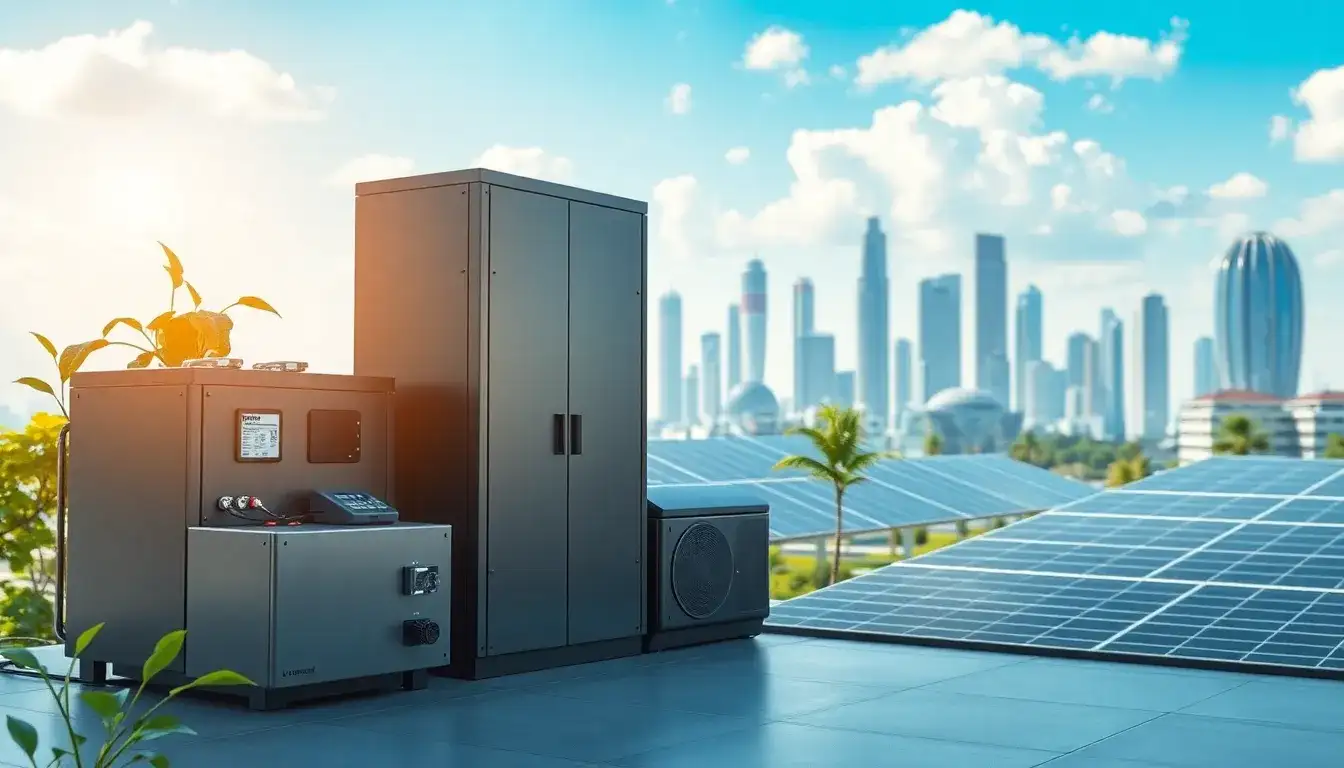
Another noteworthy trend is the transition from heavy-duty Diesel Generators (DGs) to Battery Energy Storage Systems (BESS). BESS represents a major milestone in the pursuit of efficient and sustainable backup solutions, as they significantly reduce carbon emissions. Additionally, they offer faster response times, quieter operations, and lower maintenance requirements.
Locally produced solutions are becoming flag bearers of innovation and manufacturing excellence in India. This is attributed to the use of high-quality, reliable components that adhere to stringent manufacturing standards. Indian power backup solutions, rooted in a solid design philosophy, are ready to compete on a global scale and are increasingly becoming the preferred choice due to their quality.
The growing reliance on electronic devices and electricity in both households and industries, coupled with a rising population, will ensure a steady demand for dependable power backup solutions. However, it is imperative that these solutions are designed to be smarter and more environmentally friendly, ensuring a sustainable future for our planet. Only by prioritizing the health of our environment can we aspire to create a future that truly belongs to us.
Original article by NenPower, If reposted, please credit the source: https://nenpower.com/blog/the-transition-to-efficient-power-backup-solutions-addressing-future-energy-demands/

