

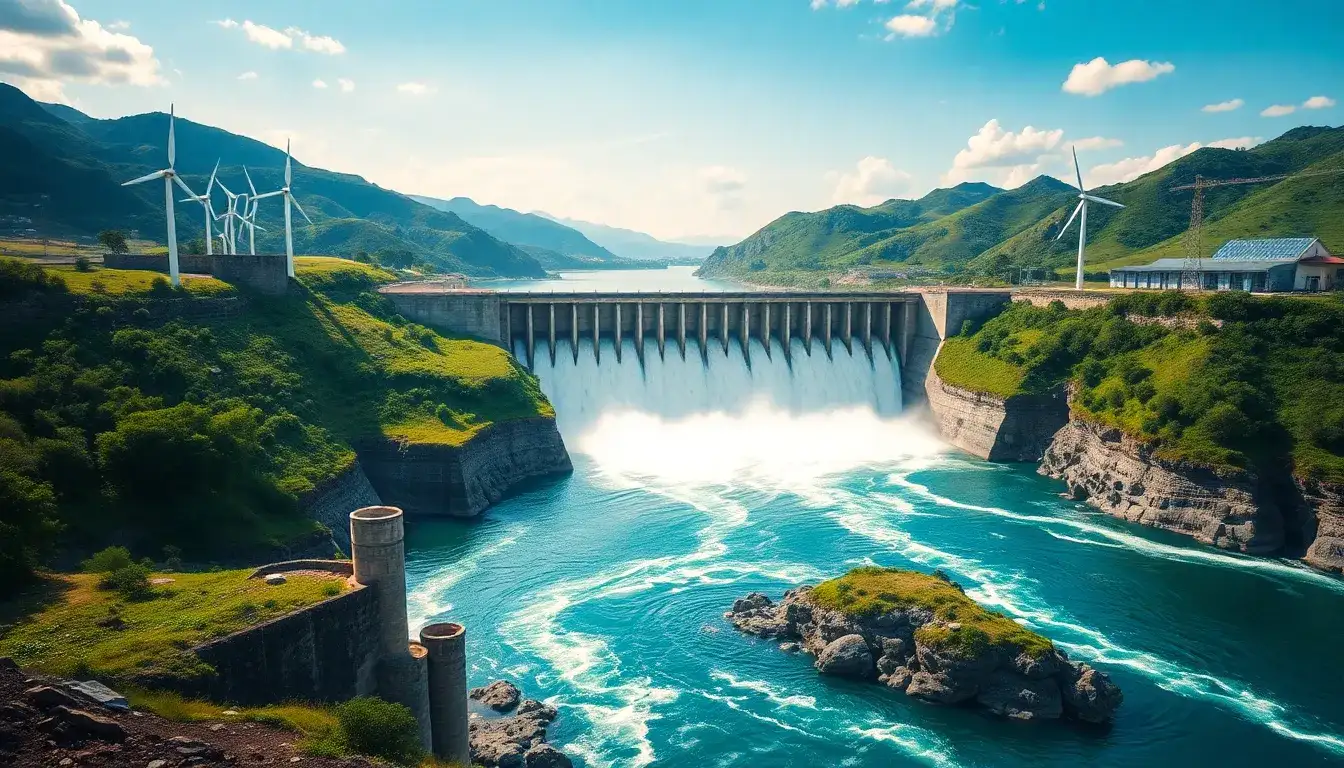
Energy Storage and the Strategic Role of Hydropower in Brazil’s Future Electricity Mix
========================================================================================
On July 2, 2025, Abrage participated in a Public Hearing organized by the Mines and Energy Committee (CME) of the Brazilian Chamber of Deputies to discuss the significance of energy storage within the national power system. Representing 24 of Brazil’s leading power generation companies, which collectively account for over 60% of the country’s total electricity production, Abrage highlighted the critical importance of hydropower plants in ensuring the system’s security, flexibility, and sustainability.
During the presentation, it was emphasized that hydropower remains the backbone of Brazil’s electricity mix. Not only does it provide clean, low-carbon energy, but hydropower reservoirs also represent more than 90% of Brazil’s total water storage capacity, according to data from the National Water and Sanitation Agency (ANA). This makes hydropower essential for various uses, including water supply, irrigation, flood control, aquaculture, and tourism.
As wind and solar energy sources—currently constituting 34% of the energy matrix—continue to grow rapidly, the system is beginning to face operational challenges. These include energy oversupply at certain times and potential capacity shortages at others. In this context, energy storage systems are becoming increasingly vital.
Abrage highlighted the importance of hydraulic storage systems, specifically pumped storage hydropower (PSH), which are already well-established worldwide, boasting around 180 GW of installed capacity. These facilities function like natural batteries, storing energy during periods of low demand and releasing it during peak demand, while also providing essential ancillary services for grid stability.
The strategic role of hydraulic energy in the energy transition was further reinforced by the International Hydropower Association (IHA), which noted that pumped storage is the only mature, large-scale long-duration storage technology capable of delivering flexibility at a low carbon footprint. According to the IHA, over 105 GW of pumped storage projects are currently under construction globally, with accelerated growth expected through 2030. These projects hold the potential for significant system-wide savings and could decrease the need for investment in transmission and more costly generation technologies.
Abrage also provided an overview of Brazil’s hydropower expansion potential, which includes:
– 11 GW in new plants currently under study or in the licensing phase;
– 30 GW in pumped storage projects;
– 7 GW through modernization and repowering of existing facilities;
– 38 GW from adding turbines to unutilized penstocks, with 5.5 GW already registered in the LRCAP 2025.
In conclusion, Abrage stated that discussing low-carbon infrastructure in Brazil fundamentally means discussing hydropower. Recognizing and investing in this potential is crucial for ensuring a clean, secure, and sustainable energy transition.
Original article by NenPower, If reposted, please credit the source: https://nenpower.com/blog/the-strategic-importance-of-hydropower-and-energy-storage-in-brazils-future-electricity-landscape/

