

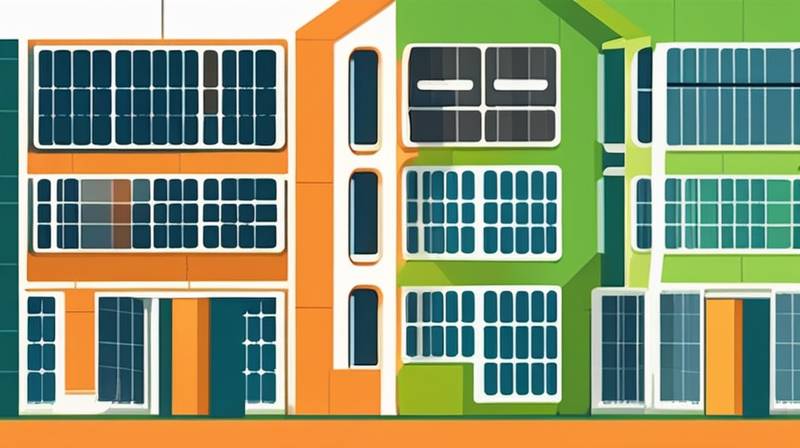
The role of solar energy in green building certifications is profound and multifaceted. 1. Solar energy significantly contributes to reducing carbon footprints, 2. It enhances energy efficiency, 3. Compliance with green building standards, 4. Economic advantages through incentives and reduced energy costs. Among these, the most critical aspect to elaborate on is the reduction of carbon footprints. By harnessing solar power, buildings can operate with much lower greenhouse gas emissions compared to traditional energy sources. This is essential in the fight against climate change, as it minimizes reliance on fossil fuels and promotes sustainable energy practices. Moreover, integrating solar energy systems often qualifies buildings for various green building certification programs, fostering an environmentally-conscious approach to architecture and construction.
1. HISTORICAL CONTEXT OF SOLAR ENERGY IN BUILDING DESIGN
The integration of solar energy into building design has evolved over the decades, propelled by advancements in technology and increased awareness of environmental issues. Early variants of solar energy utilization appeared in the mid-20th century, primarily through passive solar design principles. These included strategic placement of windows and thermal mass to maximize sunlight absorption for heating purposes. The emphasis was largely on fossil fuel reduction in response to the energy crises of the 1970s.
In the 21st century, however, the narrative shifted dramatically as global concerns regarding climate change and sustainable practices intensified. This transition brought photovoltaic systems to the forefront, allowing buildings not only to harness solar energy for gradual consumption but also to achieve self-sufficiency. As a result, the architectural landscape began transforming with solar panels becoming a common sight on rooftops and integrated into building facades. Observing this trend has prompted green building certification entities to incorporate solar energy as a critical criterion, subsequently creating a more environmentally-responsible architectural ethos.
2. MECHANISMS OF SOLAR ENERGY
Solar energy primarily operates through two mechanisms: photovoltaic systems and solar thermal systems. Each serves to capture and convert solar radiation into usable energy, significantly shifting the energy paradigm for buildings.
Photovoltaic systems convert sunlight directly into electricity using semiconductor materials. When sunlight strikes the silicon cells, it excites electrons, resulting in an electric current. This energy can be consumed immediately, stored in battery systems, or even fed back into the grid. The versatility and scalability of this technology make it suitable for various applications, from residential homes to large commercial buildings. The increasing efficiency of photovoltaic systems has also contributed to their widespread adoption, evidenced by decreasing costs and improved energy output.
On the other hand, solar thermal systems utilize sunlight to produce heat, often for water heating applications. This mechanism relies on solar collectors which absorb and convert solar energy into heat. The heated fluid can then be distributed throughout the building for space heating, domestic hot water supply, or even to aid energy generation through steam. The dual capability of solar energy to provide both electricity and thermal energy encapsulates the comprehensive nature of its benefits within the realm of sustainable building design.
3. SIGNIFICANCE OF SOLAR ENERGY IN GREEN BUILDING CERTIFICATIONS
Green building certifications such as LEED (Leadership in Energy and Environmental Design) and BREEAM (Building Research Establishment Environmental Assessment Method) benchmark a structure’s sustainability performance against precise metrics. Among the scoring criteria, the incorporation of renewable energy sources such as solar energy plays a pivotal role.
For LEED certification, buildings earn points for on-site renewable energy generation, where solar energy significantly lowers dependency on fossil fuels. This point system encourages developers to integrate solar technology, offering incentives for sustainable development. Furthermore, the utilization of solar energy can directly affect energy usage reductions, which is a critical benchmark evaluated by certification programs.
In addition to infrastructure viability, societal engagement remains a crucial aspect. The integration of solar technology sends a powerful message within communities regarding environmental responsibility, often encouraging additional sustainable initiatives in surrounding areas. This creates an impetus for more buildings to adopt similar practices, fostering an environment of collective action towards sustainability.
4. ECONOMIC BENEFITS OF SOLAR ENERGY IN BUILDING DEVELOPMENT
Investing in solar energy can lead to substantial economic benefits for building owners and tenants alike. The initial costs may appear daunting; however, the long-term savings on energy bills are significant. Many jurisdictions offer financial incentives, including tax credits, rebates, and grants that can alleviate upfront installation costs, making solar energy an attractive option.
Beyond immediate savings, gaining green building certifications such as LEED can significantly enhance property values. Properties with high sustainability ratings often experience reduced vacancy rates, allowing landlords to command higher rental prices. Additionally, tenants increasingly prioritize sustainability, seeking out eco-friendly living and working spaces. Consequently, building owners who adopt solar energy strategies can appeal to this growing demographic, ensuring consistent demand for their properties.
Furthermore, the strategic integration of solar energy often reduces reliance on traditional energy sources, providing stability against fluctuations in energy prices. In regions where electricity costs can be erratic, solar energy acts as a stabilizing force, allowing for better budgeting and long-term planning for both developers and tenants.
5. ENVIRONMENTAL IMPACT OF SOLAR ENERGY
Solar energy systems significantly reduce greenhouse gas emissions, which are pivotal in combating climate change. Traditional energy sources, such as coal or natural gas, emit vast amounts of carbon dioxide when burned. In contrast, solar photovoltaic systems generate clean electricity with minimal environmental impact.
By integrating solar technology into building design, developers can contribute to greater biodiversity and reduced dependency on non-renewable energy sources. Buildings equipped with solar energy capabilities help mitigate the urban heat island effect, a phenomenon where urban areas become significantly warmer than their rural surroundings due to extensive concrete and asphalt surfaces. The energy efficiency resulting from solar energy systems also leads to lower temperatures within surrounding areas, thus enhancing comfort and reducing cooling costs.
Moreover, the lifecycle of solar panels is increasingly considered within the context of sustainable building practices. Responsible disposal and recycling processes for old panels minimize environmental harm, ensuring that the benefits of solar energy extend beyond immediate energy production.
6. CHALLENGES AND LIMITATIONS OF SOLAR ENERGY IN BUILDINGS
Despite the wide-ranging advantages of solar energy, it is essential to recognize the challenges confronting its implementation within building designs. One significant hurdle lies in the variability of solar energy generation. Factors such as geographical location, seasonal fluctuations, and daily variations in sunlight can impact the efficiency and effectiveness of solar installations.
In addition, the upfront costs associated with solar energy systems can deter developers, especially in markets where profit margins are tight. Although various incentive programs exist, navigating through local regulations and policies can be tedious, often leading to project delays. Furthermore, the ongoing maintenance and potential for technological obsolescence present concerns for building owners investing in solar technology. As advancements in solar technology occur, older systems may require upgrading or replacing, posing a further economic hurdle.
Lastly, the necessity for energy storage systems to maximize the utility of solar energy creates additional complexity. While energy production during peak sunlight hours can be sufficient, energy storage must address consumption patterns during non-peak periods. As technology advances, additional investments in battery storage solutions will be crucial for optimizing energy self-sufficiency and reliability.
7. FUTURE OF SOLAR ENERGY IN BUILDING CERTIFICATIONS
The future outlook for solar energy within the scope of green building certifications appears promising. Increasingly stringent environmental regulations and societal pressures demand a shift towards sustainable practices in architecture and construction. As municipalities push for net-zero energy buildings, reliance on solar energy technologies becomes paramount.
Emerging innovations such as building-integrated photovoltaics (BIPV), where solar cells are seamlessly embedded within building materials, showcases the potential for solar energy to become ubiquitous in future design paradigms. This advancement not only enhances aesthetic appeal but also allows buildings to generate energy without the need for bulky external installations.
Moreover, the educational aspect of integrating solar in building design cannot be overlooked. By demonstrating efficacy and benefits, current projects can function as blueprints for future developments, transforming how solar energy is perceived within the broader construction industry. Trends in sustainable architecture reflect a growing commitment to integrating renewable energy solutions, ultimately leading to more efficient, environmentally-responsible communities.
QUESTIONS AND ANSWERS
WHAT ARE THE MAIN ADVANTAGES OF USING SOLAR ENERGY IN BUILDINGS?
The primary benefits of utilizing solar energy in buildings are manifold. First and foremost, solar energy significantly reduces energy costs for owners and tenants. By generating electricity through solar panels, buildings require less energy from traditional grid sources, eliminating or substantially lowering monthly utility bills. As a result, this translates into long-term savings which accumulate over the lifespan of the solar installation.
Secondly, solar energy is environmentally friendly, providing a renewable source of energy that does not deplete natural resources, nor does it emit harmful greenhouse gases during operation. This aspect is especially vital as global society grapples with climate change and its associated challenges. By relying on solar energy, buildings contribute to reducing the overall carbon footprint, leading to healthier living environments.
Lastly, integrating solar energy supports compliance with green building certifications, making properties more attractive in the real estate market. As tenants and buyers increasingly prioritize sustainable living options, buildings that utilize solar energy often witness higher demand and can command premium pricing. This amplifies the economic rationale for investing in solar technology in today’s eco-conscious climate.
HOW DOES SOLAR ENERGY INFLUENCE GREEN BUILDING CERTIFICATION SCORE?
Solar energy plays a pivotal role in determining scores for various green building certifications such as LEED or BREEAM. For example, many certification programs allocate specific points for the integration of renewable energy sources, and solar energy is often a significant focus, given its availability and scalability.
When a building incorporates solar photovoltaic systems or solar thermal technology, it can earn valuable credits towards certification goals. The energy produced by these systems often translates into lower energy usage, which is a crucial metric evaluated by certifying bodies as they assess a building’s overall performance. Additionally, solar installation showcases a commitment to sustainability and innovation—qualities that certification programs prioritize.
Furthermore, having solar energy capabilities can enhance a building’s resilience against energy rate fluctuations, thereby reinforcing its sustainable credentials. Such attributes contribute positively to a building’s rating, ultimately making solar energy an essential component in achieving green building certification goals.
WHAT CHALLENGES ARISE FROM IMPLEMENTING SOLAR ENERGY IN BUILDINGS?
Implementing solar energy within building designs does come with some challenges. One prominent concern is the initial financial investment required, as acquiring and installing solar panels can entail significant expenditures. While various incentive programs exist to help mitigate costs, navigating local regulations and finding suitable financing options may prove daunting for many developers.
Additionally, solar energy systems are subject to geographical limitations and seasonal variations. In regions with less sunlight, the energy output may not meet the building’s demands, leading to inefficiencies. For buildings intended for high energy consumption, reliance solely on solar energy might not be feasible without additional conventional energy sources or energy storage solutions.
Lastly, ongoing maintenance and technological obsolescence are also notable hurdles. As solar technology evolves, older systems may require upgrades to remain competitive and efficient. Building owners must consider these factors to ensure their solar installations continue to deliver value over time while minimizing environmental impacts.
The integration of solar energy within green building certifications represents a significant advancement towards achieving sustainable architecture. By reducing operational costs and enhancing environmental responsibility, solar energy not only supports individual buildings but also promotes broader ecological benefits. The civilizations of tomorrow demand a reimagined approach to construction, where renewable resources like solar power are paramount. As advancements in solar technology continue to unfold and regulatory frameworks evolve, embracing solar energy as an integral component of green buildings will undoubtedly shape the discussions surrounding future standards and practices. As stakeholders in the built environment—architects, developers, and owners—commit themselves to sustainable principles, the use of solar energy will become increasingly prevalent, ultimately facilitating progress toward a more sustainable and resilient future for all communities.
Original article by NenPower, If reposted, please credit the source: https://nenpower.com/blog/the-role-of-solar-energy-in-green-building-certifications/

