

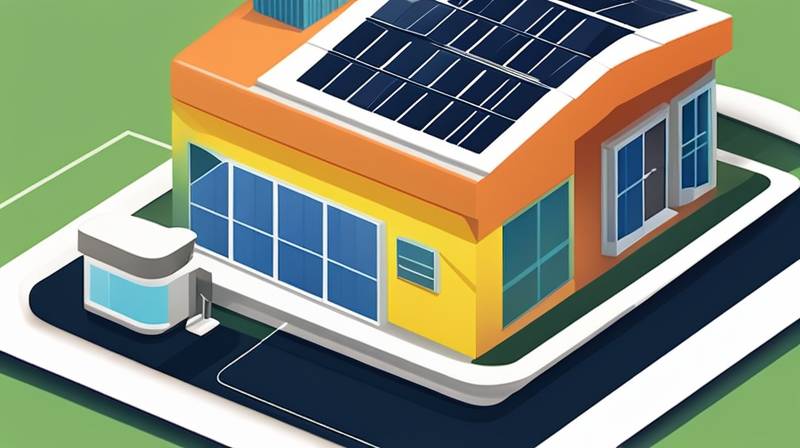
The integration of solar energy into residential construction plays a transformative role in creating energy-efficient homes. 1. Solar energy significantly reduces energy costs, 2. It enhances the sustainability of the building structure, 3. It promotes the utilization of innovative technologies, 4. It contributes to environmental conservation. Among these points, the substantial reduction in energy costs stands out, as homeowners can drastically lower utility bills by harnessing solar power. This reduction not only makes homes more affordable but can also lead to increased property values. Solar energy systems, such as photovoltaic panels, convert sunlight into electricity, thereby providing an alternative to conventional energy sources. This shift not only benefits individual homeowners but also contributes to a larger movement toward energy independence and sustainability within communities.
1. THE FUNDAMENTALS OF SOLAR ENERGY
Solar energy harnesses the power of the sun through various technologies, primarily photovoltaic (PV) panels and solar thermal systems. PV panels convert sunlight into electricity, while solar thermal systems use sunlight to heat water or air for residential use. The fundamental appeal of solar energy lies in its renewability and abundance. Unlike fossil fuels, which deplete over time, sunlight is a limitless resource, available in varying intensities across different geographical locations. This renewable aspect provides a significant advantage in energy sustainability, making it an ideal choice for modern housing solutions.
Additionally, advancements in technology have made solar energy systems more efficient and accessible. Modern solar panels are designed to capture a broader spectrum of sunlight, improving energy conversion rates. Furthermore, the declining costs of installation and maintenance have led to increased adoption among homeowners. The combination of government incentives, such as tax credits and rebates, coupled with the growing awareness of environmental issues, has played a crucial role in this trend. Consequently, homes equipped with solar energy systems are not only saving money but are also aligning with a global shift towards cleaner energy practices.
2. THE ECONOMIC IMPACT OF SOLAR ENERGY ON HOMES
Adopting solar energy systems has immediate and long-term economic implications for homeowners. When installed correctly, solar panels can dramatically decrease monthly utility bills. Depending on the size of the installation and local energy costs, homeowners can experience savings that amount to thousands of dollars over the lifespan of the panels. For example, in sunny areas, a well-placed solar system can cover most, if not all, of a home’s electricity needs. Several financial models illustrate how this shift leads to a return on investment within a few years, allowing homeowners to enjoy both immediate savings and long-term gains.
Moreover, the positive effect on property values cannot be overlooked. Homes equipped with solar energy systems often attract higher resale prices. Potential buyers view solar energy installations as an asset rather than a liability. In fact, studies show that homes with solar energy can sell for approximately 4.1% more on average than comparable homes without such systems. This trend underscores the growing recognition of sustainability as a desirable feature in real estate markets. Thus, integrating solar energy not only enhances the livability of a home but also serves as a strategic financial decision benefiting homeowners in the long run.
3. ENVIRONMENTAL ADVANTAGES OF SOLAR ENERGY
The push for energy-efficient homes equipped with solar energy reflects a broader commitment to environmental stewardship. Solar energy is inherently clean, producing no greenhouse gas emissions during operation. As concerns about climate change grow, the urgency to reduce reliance on fossil fuels has become paramount. By integrating solar energy into residential buildings, homeowners significantly decrease their carbon footprints. This transition represents a proactive approach toward addressing environmental degradation, showcasing how individual choices can contribute to global sustainability efforts.
Furthermore, the benefits of solar energy extend beyond mere carbon emissions. The adoption of solar systems helps to reduce air and water pollution associated with traditional energy production. By decreasing the demand for coal and natural gas, solar energy significantly lessens the harmful impacts associated with these fossil fuels. More so, localized solar energy deployment can minimize the strain on the electrical grid, especially in areas experiencing peak demand periods. This trend reduces the need for additional power plants, which often appear in the form of polluting facilities. Thus, investing in solar energy aligns with both environmental responsibility and the pursuit of a healthy, sustainable future.
4. INNOVATIVE TECHNOLOGIES IN SOLAR ENERGY
The rapid evolution of solar energy technologies has spawned innovative solutions that enhance efficiency and integration within residential frameworks. One such advancement is the development of smart solar panels featuring integrated monitoring systems. Homeowners can now track their energy production in real time, optimizing their consumption patterns. These smart systems contribute to better management of energy use, allowing users to maximize their savings and efficiency. By leveraging data analytics, homeowners can adjust their habits to better align with peak solar production times, further enhancing the economic viability of their solar investments.
Additionally, the emergence of energy storage solutions, such as lithium-ion batteries, has revolutionized how solar energy can be utilized. These storage systems enable homes to store excess energy generated during sunny days for use during nights or cloudy periods. This capability ensures a consistent energy supply, offering significant advantages in regions with inconsistent sunlight. As a result, homeowners can achieve greater energy independence, reducing their reliance on grid electricity and fortifying their resistance against energy price fluctuations. The prospect of off-grid living becomes increasingly attainable, as these technologies foster self-sufficiency and resilience in energy management.
5. GOVERNMENT POLICIES AND INCENTIVES
Supportive government policies play a crucial role in promoting solar energy adoption across residential sectors. Various incentives, including tax credits, rebates, and grants, significantly lower the initial investment barriers for homeowners. For instance, the federal solar tax credit allows homeowners to deduct a substantial portion of their installation costs from their income taxes. This initiative has been pivotal in encouraging the growth of the solar market, enabling more households to embrace renewable energy solutions.
Moreover, states often offer additional incentives, which can include net metering programs. Net metering allows homeowners to sell excess energy back to the grid, further enhancing the economic appeal of solar energy systems. This approach not only generates extra income but also contributes to grid stability by supplying clean energy during peak demand times. Consequently, the merging of governmental incentives and technological advancements boosts the viability of solar energy as a cornerstone of energy-efficient homes, paving the way for a sustainable future.
FREQUENTLY ASKED QUESTIONS
WHAT ARE THE BENEFITS OF INSTALLING SOLAR ENERGY IN HOMES?
Installing solar energy systems provides a multitude of advantages, including substantial reductions in energy costs, increased home value, and a lower carbon footprint. Homeowners can significantly decrease their reliance on the grid, conserving resources and enhancing their financial stability. The economic benefits extend beyond individual households; promoting solar energy can stimulate local economies by creating jobs in installation, maintenance, and manufacturing. Moreover, the transition to solar energy helps to combat climate change, as it reduces greenhouse gas emissions associated with fossil fuels. This sustainability aspect is critical in today’s context, as the drive towards greener living grows stronger. Finally, many governments offer incentives and tax credits that further minimize installation costs, making solar energy an economically viable and environmentally responsible choice for homeowners.
HOW DOES SOLAR ENERGY IMPACT PROPERTY VALUE?
Solar energy installations typically have a favorable impact on property values. Studies indicate that homes equipped with solar energy systems can sell for a premium compared to similar properties without such systems. Homebuyers are increasingly seeking residences that provide sustainable energy solutions that can enhance their long-term savings and reduce their environmental impact. The financial benefit of lower utility costs and the prospect of self-sufficiency in energy production also make these houses more desirable. In competitive real estate markets, the presence of a functioning solar energy system can serve as a significant selling point, appealing to environmentally conscious buyers. This alignment with modern values surrounding sustainability and technology further ensures that solar-equipped homes maintain their attractiveness in the housing landscape.
WHAT TECHNICAL CHALLENGES ARE ASSOCIATED WITH SOLAR ENERGY?
While the benefits of solar energy are substantial, there are technical challenges that can arise during installation and operation. One significant issue is energy storage. Current storage technologies, such as batteries, can be costly and may have limitations in terms of capacity and longevity. This can impact the efficiency and desirability of solar systems, particularly in regions with variable sunlight. Additionally, the installation process requires careful planning and infrastructure assessment to ensure proper orientation and shading analyses. Homeowners must also navigate local regulations and permitting processes, which can vary widely and may introduce delays. Despite these challenges, advancements in technology and stronger support infrastructure are steadily addressing these barriers, laying the groundwork for broader adoption of solar energy systems.
Adopting solar energy systems in residential construction embodies a forward-thinking approach, addressing both economic and environmental needs. The energy landscape is undergoing a paradigm shift, driving individuals and communities toward energy independence through solar solutions. With advantages such as reduced energy costs and increased home value, homeowners are encouraged to explore this innovative path. Each decision to implement solar energy not only enhances the livability of a home but also contributes to a larger goal of sustainable living.
Moreover, the integration of cutting-edge technologies ensures that solar energy remains adaptable to the modern homeowner’s necessities. As systems evolve and government support continues to strengthen, the barriers to adopting solar energy are gradually diminished. This momentum encourages broader participation in renewable energy, promoting a healthier planet for future generations.
In this dynamic environment, individuals have the opportunity to take part in shaping the future of energy consumption. By committing to solar solutions within residential architecture, homeowners can position themselves as active contributors to an emergent sustainable economy. Importantly, such actions foster not only personal financial benefits but also collective environmental responsibility, highlighting the interconnectedness between individual choices and global sustainability efforts.
Ultimately, transitioning to solar energy systems is more than just a property improvement; it is a commitment to fostering a cleaner, more sustainable future. The potential for solar energy to significantly enhance residential living is boundless when examining its diverse benefits. This transformation reflects a broader trend toward energy efficiency and environmental consciousness, emphasizing the pivotal role solar energy will continue to play in shaping energy-efficient homes and communities. Engaging with solar technology represents a proactive step toward building a resilient future, where energy independence and sustainability coexist harmoniously.
Original article by NenPower, If reposted, please credit the source: https://nenpower.com/blog/the-role-of-solar-energy-in-building-energy-efficient-homes/

