

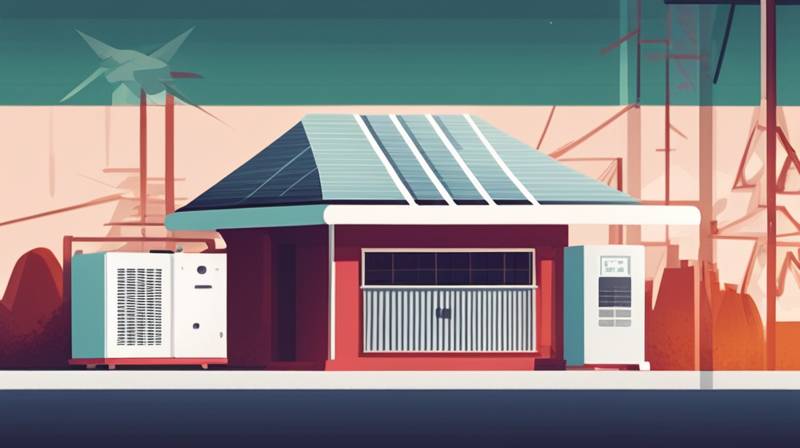
1. Residential energy storage plays a significant role in alleviating Nigeria’s acute power shortages. The pressing need for reliable electricity is underscored by frequent outages and an insufficient grid infrastructure. 2. By enabling households to store energy, residential systems provide backup power during outages. 3. Furthermore, these systems can harness renewable energy, aiding in the transition to a more sustainable energy landscape. 4. Finally, enhanced energy independence is achieved as households become less reliant on the centralized grid.
1. REASONS FOR POWER SHORTAGES IN NIGERIA
The persistent nature of power shortages in Nigeria stems from a myriad of systemic issues that have historically plagued the nation’s energy sector. Predominantly, the inefficiency of the national grid is a significant contributor to the issue. This grid, which is the lifeblood of energy distribution, is characterized by high levels of technical and non-technical losses. Weak infrastructure, coupled with aging equipment, undercuts the ability to provide a reliable supply of electricity to households and businesses. Infrastructure inadequacies lead to power theft, and in many instances, unreliable transmission systems that exacerbate power shortages.
Moreover, insufficient generation capacity plays a pivotal role in the nation’s energy crisis. While Nigeria is richly endowed with various energy resources—both fossil and renewable—the inability to harness these effectively has resulted in a power deficit. The generation mix heavily relies on natural gas and hydroelectricity. However, incessant gas supply issues, droughts affecting hydroelectric output, and insufficient investment in renewable technologies further worsen the situation. This under-investment reflects political mismanagement and has narrowed the scope for innovative solutions, including residential energy storage systems.
2. UNDERSTANDING RESIDENTIAL ENERGY STORAGE SYSTEMS
Delving into the concept of residential energy storage systems reveals how these technologies function and their key benefits to households. Energy storage solutions, primarily in the form of batteries, enable consumers to save excess energy generated during low-demand periods. Households equipped with solar panels can store the surplus energy produced during the day for use during evening hours when demand spikes. This not only facilitates the optimal use of generated energy but also decreases reliance on the inconsistent grid.
In addition to solar energy, residential storage systems can also draw from the grid during off-peak hours when electricity is cheaper. By employing a strategy known as demand response, consumers can charge their batteries at times when energy prices are low, providing economic benefits. Thus, residential storage systems act as a buffer, ensuring that households have a steady supply of electricity, even during outages, contributing significantly to energy security.
3. IMPACT ON ENERGY SECURITY
The introduction of energy storage solutions into Nigerian households profoundly transforms the paradigm of energy security. Households gain the ability to maintain a consistent power supply, thus mitigating the disruption caused by power outages. This consistent supply not only stabilizes daily living but also supports economic activities. Businesses can operate without the fear of interruptions, which has the potential to boost productivity and economic growth.
Furthermore, increased adoption of energy storage systems can significantly alleviate the strain on the national grid. During peak demand periods, excess energy stored in residential units can be fed back into the grid, creating a decentralized energy ecosystem. This dynamic not only contributes to system reliability but also provides consumers with greater agency over their energy consumption. The resulting synergy enhances the resilience of the overall energy network, paving the way for a sustainable power future for Nigeria.
4. COST CONSIDERATIONS AND FINANCING OPTIONS
The widespread implementation of residential energy storage solutions is often hampered by initial cost considerations. The upfront capital required for installation can be a barrier for many households. However, with the decreasing costs of solar panels and battery technologies, the financial dynamics are gradually shifting in favor of broader adoption. It is essential to analyze the total cost of ownership, factoring in long-term savings from reduced electricity bills and potential government incentives.
Moreover, innovative financing options can make energy storage more accessible to the average Nigerian household. Financial institutions are gradually recognizing the potential of renewable energy investments. Programs such as pay-as-you-go solar models and green loans designed specifically for energy efficiency upgrades allow consumers to spread out the initial cost over manageable installments. These initiatives contribute to lowering the financial barrier, making residential energy storage a viable solution for more households throughout Nigeria.
5. RENEWABLE ENERGY INTEGRATION
The intersection of residential energy storage systems and renewable energy sources is a vital aspect of Nigeria’s energy future. The ability to integrate storage with solar or wind energy enhances the utilization of available resources. Current efforts towards harnessing solar power have seen numerous households adopt solar panels, yet the unpredictable nature of these sources necessitates reliable storage systems. By combining solar power with energy storage, households can mitigate the intermittent nature of these renewable technologies.
In addition, the potential for policy reform to better support the integration of renewable resources cannot be overstated. Favorable regulations that incentivize solar panel installations and battery storage adoption can cultivate an environment where renewable energy flourishes. As more homes invest in renewable resources, communal reliance on conventional power grids diminishes, which can lead to a reduction in fossil fuel consumption and a more sustainable energy model for Nigeria.
6. POLICY IMPLICATIONS AND GOVERNMENT ROLES
The successful roll-out of residential energy storage systems is contingent upon substantial policy support from government entities. Policies that promote energy efficiency and prioritize the development of renewable resources are essential. Governments must create and sustain initiatives which motivate households to invest in energy storage systems. This requires distinguishing between early adopters who may need incentives for investing in these innovations and established frameworks for broader market acceptance.
Furthermore, collaboration between governmental bodies and private sector players can facilitate the growth of a supportive ecosystem for residential storage systems. This partnership can catalyze research and development initiatives that lead to innovative energy storage solutions tailored for local contexts, ultimately aiding the proliferation of a diverse energy market that caters to Nigeria’s unique challenges.
7. TECHNOLOGICAL ADVANCEMENTS
Technological progress plays a vital role in the evolution of residential energy storage solutions. Continuous advancements in battery technology, such as lithium-ion and emerging solid-state batteries, promise increased efficiency and a reduction in costs over time. Such advancements are crucial to making energy storage systems more attractive to the average consumer. Enhancements in lifecycle, energy density, and charge times directly impact the appeal and viability of these systems for households.
Moreover, the integration of smart technology can transform how energy storage systems operate. Smart meters and home energy management systems empower consumers to monitor and optimize their energy usage. Real-time data helps users make informed decisions, further enhancing the efficiency of stored energy utilization and extending the lifespan of storage systems. By harnessing these technological advancements, residential energy storage can play an increasingly transformative role in Nigeria’s energy landscape.
FREQUENTLY ASKED QUESTIONS
1. WHAT ARE THE BENEFITS OF RESIDENTIAL ENERGY STORAGE SYSTEMS?
Residential energy storage systems offer multiple compelling advantages. Primarily, they ensure a reliable power supply during outages, crucial in a country like Nigeria with frequent power disruptions. By storing energy produced during off-peak hours or from renewable sources, users can utilize this stored energy later, enhancing energy independence. This reduces reliance on an unreliable grid and optimizes the use of renewable energy, aiding in environmental sustainability.
Additionally, financial implications are favorable, as these systems can lead to cost savings on electricity bills. By enabling energy consumers to shift their usage patterns, they can take advantage of lower rates during off-peak times while also generating financial credits through proposed feed-in tariffs. Enhanced home value, sustainable energy practices, and participation in the energy market through demand response programs further establish the economic viability of these systems.
2. HOW CAN ROUND-THE-CLOCK ENERGY SUPPLY BE ACHIEVED IN NIGERIA?
Achieving sustained energy supply requires a multi-faceted approach. Principal among necessary strategies is the diversification of energy sources. A mix of renewable and traditional energy sources can help mitigate the supply insecurity that plagues the national grid. Implementing widespread residential energy storage systems complements this diversification, allowing households to effectively source and manage their energy needs.
Additionally, investing in reliable infrastructure is critical. Upgrading the existing grid and establishing backup systems can ensure more comprehensive coverage and reliability. Collaborations between government entities, private companies, and international partners can facilitate the required funding and technological investments. By focusing on efficient distribution and integrating cutting-edge energy technologies, a reliable 24/7 energy supply can gradually become a reality in Nigeria.
3. ARE THERE SUBSIDIES OR INCENTIVES FOR USING ENERGY STORAGE SYSTEMS IN NIGERIA?
Government incentives for energy storage systems vary and are currently in development stages in Nigeria. Although there are no extensive subsidies in place yet, some local governments and initiatives are recognizing the need to promote renewable energy adoption. These initiatives may include tax credits, financial incentives for installation, or reduced tariffs for solar energy generation.
Incentives could be further bolstered through regulatory reforms that facilitate financing options for homeowners looking to invest in energy storage solutions. By creating a stable environment for both consumers and investors, energy storage technology can be propelled into the mainstream, facilitating higher adoption rates.
In essence, ongoing dialogues about policy development and investment can create a more encouraging atmosphere for energy storage systems in Nigeria.
In the pursuit of rectifying Nigeria’s power shortages, residential energy storage emerges as a beacon of hope amid overwhelming challenges. This approach allows for the stabilization of energy supplies, minimizes reliance on an unreliable national grid, and promotes the use of renewable energy sources. The crux of addressing Nigeria’s energy deficit is not merely expanding the existing infrastructure but transforming the entire ecosystem through standalone energy solutions. By strategically employing residential storage systems, households gain autonomy over their energy consumption, participate actively in the energy market, and contribute positively to resource management. The synergy of innovative technology, sound policies, and community involvement is essential for a sustainable path forward. As Nigeria works towards enhancing energy access, these systems will play a critical role in fostering a grid-independent future while supporting economic growth. The government’s commitment to enabling and incentivizing such approaches can catalyze a revolution, turning challenges posed by energy shortages into manageable obstacles, thereby redefining the nation’s energy landscape for generations to come. The integration of residential energy storage into the Nigerian energy framework is not simply an innovative solution to existing problems but a transformative stride towards an energy-secure and environmentally sustainable future that empowers individuals and communities alike.
Original article by NenPower, If reposted, please credit the source: https://nenpower.com/blog/the-role-of-residential-energy-storage-in-addressing-nigerias-power-shortages/

