

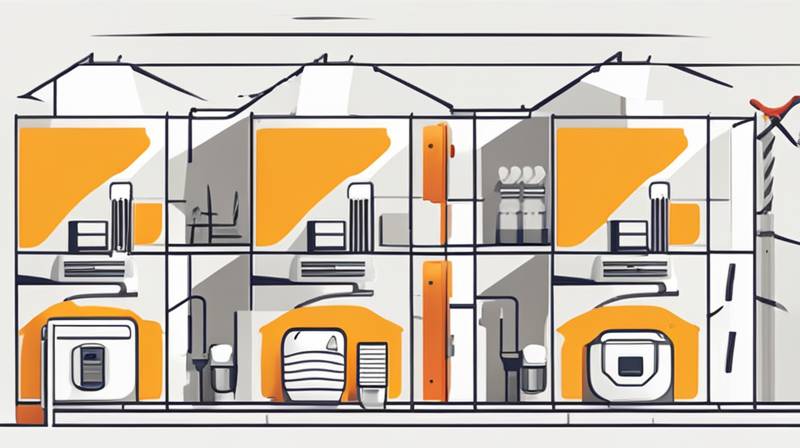
The emergence of technologies aimed at enhancing electrification in rural landscapes signifies a fundamental shift towards sustainable energy solutions. 1. Powerwall’s integration enhances energy accessibility, 2. Facilitates energy independence, 3. Mitigates reliance on fossil fuels, 4. Supports renewable energy adoption. Powerwall, Tesla’s residential energy storage solution, acts as a catalyst in rural electrification initiatives by providing reliable access to clean energy sources.
1. UNDERSTANDING POWERWALL TECHNOLOGY
Powerwall embodies a cutting-edge battery system designed for energy storage in residential and small commercial applications. This device captures energy sourced from renewable systems, such as solar panels, ensuring that electricity remains available even during peak demand periods or power outages. This technology functions through a unique combination of lithium-ion batteries and sophisticated management software that optimizes energy utilization.
Beyond just capturing energy, Powerwall plays a vital role in the transition to a decentralized energy ecosystem. In rural areas, where traditional grid infrastructure may be lacking or underdeveloped, Powerwall enables homes to harness local renewable energy resources. By doing so, it not only demonstrates resilience against electricity shortages but also promotes sustainability. Furthermore, its installation is relatively straightforward, contributing to its appeal in off-grid settings.
2. IMPACT ON RURAL ELECTRIFICATION
Powerwall’s impact on rural electrification is profound and multifaceted. First, the ability to store solar energy during the day and utilize it during the night significantly enhances energy availability. This capability is crucial in rural regions where sunlight is abundant, but grid access may be limited. Agriculture, for instance, thrives with consistent energy for irrigation and other operations, making Powerwall an essential asset.
Moreover, the presence of reliable electricity fosters economic development in rural communities. More than just enabling basic needs, electricity increases opportunities for entrepreneurship. For instance, local businesses can benefit from stable power supplies, allowing for extended operational hours, improved services, and the potential for advanced technologies to be implemented. Powerwall effectively transforms energy consumption patterns, catalyzing a shift towards more productive and sustainable rural economies.
3. ENCOURAGING SUSTAINABLE LIVING
A significant advantage of Powerwall is its potential to decrease dependence on traditional fossil fuels. In many rural setups, diesel generators serve as primary power sources, contributing to high operating costs and environmental degradation. Transitioning to solar energy storage with Powerwall mitigates these issues, leading to cleaner air and reduced greenhouse gas emissions.
As rural communities adopt Powerwall systems alongside renewable energy sources, they initiate a pathway towards sustainable living. Empowering individuals with technology to generate and store their electricity aligns with global sustainability goals. This combination not only promotes ecological responsibility but catalyzes community engagement in energy matters, fostering a collective consciousness around environmental stewardship.
4. CHALLENGES AND CONSIDERATIONS
Despite the myriad benefits, integrating Powerwall into rural electrification initiatives poses challenges. One primary concern is the initial investment required for both the battery and the associated renewable energy systems. While long-term savings can offset upfront costs, access to financing remains a barrier for many rural households. Community-based initiatives or government subsidies could play a pivotal role in overcoming this financial hurdle.
Another challenge lies in the technological literacy within rural populations. Successful implementation of Powerwall necessitates a certain level of expertise regarding renewable systems and energy management. Education and training programs targeting local residents ensure that they can effectively utilize and maintain these systems, fostering empowerment through knowledge. Engaging local stakeholders in training initiatives can significantly enhance the adoption rate and ensure sustained efficacy in energy management.
5. FUTURE PROSPECTS
Looking ahead, the role Powerwall plays in rural electrification projects is likely to expand and evolve. As technology progresses and costs decrease, the accessibility of such energy storage systems will grow, potentially reaching even the most remote areas. Innovations in energy sources, alongside enhanced battery technologies, promise greater efficiencies and lower carbon footprints.
Moreover, integration with smart grid technologies can lead to more intelligent energy management systems. Such advancements would further optimize energy distribution and usage, ensuring that rural communities can reliably meet their energy demands while balancing sustainability goals. As communities catalyze their electrification journeys, Powerwall stands at the forefront of this transformation, leading towards a brighter and more sustainable future.
FREQUENTLY ASKED QUESTIONS
WHAT IS POWERWALL AND HOW DOES IT WORK?
Powerwall is a rechargeable lithium-ion battery storage system developed by Tesla that stores energy generated from solar panels or the grid. During the day, Powerwall captures excess energy produced and stores it for later use, particularly during the night or power outages. This system helps to optimize energy consumption by allowing users to utilize stored energy when it is most cost-effective. Powerwall operates in conjunction with solar energy systems to ensure continuous power supply, mitigating reliance on non-renewable resources and lowering energy costs.
HOW DOES POWERWALL BENEFIT RURAL COMMUNITIES?
Powerwall offers rural communities numerous advantages, chiefly by enhancing energy access and reliability. For areas lacking robust electrical infrastructure, Powerwall facilitates energy independence, allowing households to generate and store their power, thus reducing dependency on centralized grids. This promotes local economic development by ensuring businesses can operate efficiently, improving productivity. Moreover, the transition to sustainable energy sources reduces carbon footprints, contributing to cleaner air and overall environmental health. Adopting Powerwall empowers individuals and communities to take charge of their energy needs while fostering resilience against power outages.
WHAT ARE THE POTENTIAL CHALLENGES OF IMPLEMENTING POWERWALL IN RURAL AREAS?
While Powerwall presents significant benefits for rural electrification, several challenges can impede its implementation. High upfront costs associated with purchasing the system and the requisite solar installations can be a barrier for many families. Additionally, the need for technological education and training is paramount; many individuals may not possess the knowledge to effectively maintain and utilize advanced energy systems. Accessibility of financing options, coupled with community engagement in educational initiatives, can help mitigate these challenges and ensure that rural populations successfully adopt this transformative technology.
The integration of technologies like Powerwall possesses the potential to redefine rural electrification frameworks significantly, marking a pivotal step towards shared sustainability goals. The transition towards decentralized and renewable energy systems, anchored in innovations like Powerwall, illustrates a transformative era in energy consumption and generation. By enabling communities to harness energy resources localized to their particular contexts, the reliance on traditional energy infrastructures gradually diminishes.
Furthermore, this shift catalyzes economic revitalization in rural regions, fostering entrepreneurship and innovation against the backdrop of reliable electricity access. The synergy between renewable energy solutions and storage options is essential in ensuring that rural areas not only thrive but also uphold environmental stewardship. Education and community engagement play critical roles as well, facilitating the adoption and maintenance of such technologies and empowering individuals to take charge of their energy futures.
Navigating the financial implications of implementing advanced energy systems is paramount, as is the establishment of support frameworks aimed at assisting these populations. Government initiatives and community-based funding programs could vastly improve accessibility, allowing for broader implementation and equitable energy distribution.
Ultimately, as rural areas embrace these revolutionary advancements, the trajectory towards resilience, sustainability, and empowerment becomes remarkably clear. Through Powerwall, rural electrification projects are not merely about connecting homes to the grid; they are about creating dynamic ecosystems where communities flourish through sustainable energy practices that engender long-term economic and environmental benefits. The future of energy in rural landscapes is bright, much like the skies that provide them abundant sunshine, and with technologies like Powerwall at the helm, a new dawn of electrification is upon us.
Original article by NenPower, If reposted, please credit the source: https://nenpower.com/blog/the-role-of-powerwall-in-rural-electrification-projects/

