

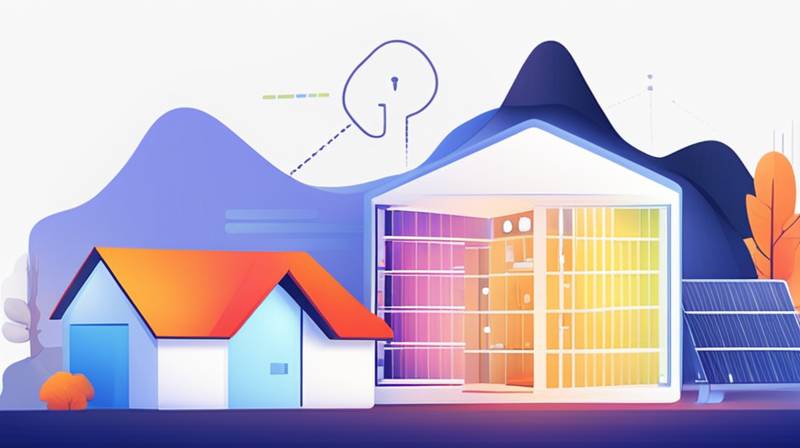
Home energy storage systems provide a pivotal solution for managing electricity consumption, particularly during peak demand periods. 1. Home energy storage mitigates peak demand by storing excess energy generated during low-demand times for use when consumption surges, 2. These systems enhance grid stability by balancing supply and demand, 3. Financial incentives arise from energy cost savings and potential credits from utility companies for reduced energy usage, 4. Environmental benefits contribute to sustainability by favoring renewable energy consumption and reducing reliance on fossil fuels.
In essence, home energy storage is transforming the energy landscape, playing a vital role in ensuring a more responsive and sustainable energy framework.
1. UNDERSTANDING HOME ENERGY STORAGE
Home energy storage entails a system designed to capture and retain electricity for later use. This technology emerged from the increasing demand for sustainable energy solutions. A primary objective is to optimize the consumption of renewable energy sources, such as solar panels, while simultaneously providing a backup power source during outages. By incorporating batteries—most popularly lithium-ion—users can store energy when it’s abundantly available and use that stored energy during times of high demand.
The evolution of home energy storage technology is noteworthy. Advances in battery technology have significantly enhanced efficiency while reducing costs. Consequently, homeowners increasingly adopt these systems, underscoring their viability and necessity in contemporary power management strategies. Users can reap the benefits of energy savings and independence from utility providers.
2. STEERING AWAY FROM PEAK DEMAND
The concept of peak demand pertains to the times when electricity consumption surges, typically during late afternoons and early evenings. Power grids experience stress during these periods, often leading to higher electricity prices and the need for additional resources to meet demand. Home energy storage systems help alleviate this strain by allowing households to store energy when prices are low, thus shifting energy usage to more economical times.
Furthermore, managing energy during peak hours forms a strategic component of grid management. By using stored energy, a household can reduce its demand on the grid during peak times, contributing to overall grid efficiency. This practice can help delay or even eliminate the need for additional generation capacity, which is often costly and resource-intensive.
3. FINANCIAL NATURES OF ENERGY STORAGE
Adopting a home energy storage system offers various financial benefits that appeal to many homeowners. By capitalizing on rate differences, users can purchase electricity at a lower cost and utilize that energy during high-price periods, effectively lowering overall energy expenses. Additionally, many regions provide incentives such as rebates or tax credits for the installation of energy storage systems, thereby offsetting initial costs.
Furthermore, the integration of home energy storage with smart home technologies can lead to significant savings. Homeowners can employ these systems in conjunction with smart meters, which provide real-time energy usage data and enable more informed consumption decisions. This level of interaction with energy consumption empowers homeowners to optimize their usage patterns further.
4. ENVIRONMENTAL ADVANTAGES
Exploring the environmental implications of home energy storage reveals substantial benefits. Integrating such systems fosters the utilization of renewable energies—solar, wind, etc.—because these sources often produce excess energy during off-peak hours. By storing this energy, homeowners can reduce their reliance on fossil-fuel-based utilities, minimizing greenhouse gas emissions.
Moreover, home energy storage systems encourage a shift toward decentralized energy production. This shift results in a reduction in transmission losses associated with long-distance electricity transfer. Lesser reliance on large power plants corresponds to a more sustainable framework for energy consumption.
5. IMPACT ON GRID STABILITY
The stability of the electrical grid is paramount, particularly as the demand for electricity rises. Home energy storage systems enhance grid resilience and adaptability. During peak demand, these systems discharge stored energy, assisting the grid in maintaining a balanced flow. This stabilization increases reliability and diminishes the occurrences of blackouts, which can significantly affect both residential and commercial sectors.
In times of environmental disasters or natural calamities, home energy storage serves as an essential backup system. Households equipped with these technologies can maintain energy independence during grid outages, providing essential services such as heating, cooling, and powering essential devices.
6. TECHNOLOGICAL DEVELOPMENTS AND INNOVATION
Emerging technologies continue to shape the future of home energy storage. Innovations like solid-state batteries promise higher energy densities and safety levels compared to traditional lithium-ion batteries. As developments progress, the capacity and efficiency of home energy storage are expected to improve exponentially.
Moreover, the introduction of integrated energy management platforms enables streamlined monitoring and control of energy storage systems. Users can customize their energy consumption patterns, ensuring that their home energy management aligns with their lifestyle while remaining cost-efficient.
FREQUENTLY ASKED QUESTIONS (FAQs)
WHAT TYPES OF HOME ENERGY STORAGE SYSTEMS ARE AVAILABLE?
Home energy storage systems primarily consist of lithium-ion batteries, lead-acid batteries, and flow batteries, among other technologies. Lithium-ion batteries are prevalent due to their efficiency and compact size, making them ideal for residential settings. Lead-acid batteries, although older technology, remain popular due to lower initial costs. Flow batteries, while not as common, offer promising scalability and longevity, making them suitable for larger installations. Each system has unique advantages and challenges, so it’s essential for homeowners to assess their specific needs and evaluate the available options carefully.
HOW DOES HOME ENERGY STORAGE AFFECT ENERGY BILLS?
By leveraging home energy storage, homeowners can optimize their electricity costs. These systems allow users to store energy during low-cost periods and use it during high-demand, high-cost times. With effective management, individuals can significantly decrease their overall electricity expenses. Additionally, users frequently benefit from different pricing structures provided by utilities, resulting in cost savings and better control over energy expenditures.
IS INSTALLATION OF ENERGY STORAGE SYSTEMS COMPLEX?
Installing home energy storage systems can involve several complexities, such as permitting, interconnection with the grid, and ensuring compatibility with existing appliances. However, many modern systems offer streamlined installation processes, often conducted by certified professionals. Additionally, services encompassing consultation and design help homeowners navigate the intricacies, ensuring their system aligns with both their energy needs and local regulatory frameworks.
The significance of home energy storage systems in curtailing peak demand cannot be overstated. These systems epitomize a transformative approach to energy management, enabling households to participate actively in the transition toward more sustainable energy consumption. Each segment of this article illustrates how the integration of such technology serves multifaceted roles—from alleviating pressure on the grid to providing financial and environmental benefits. The emphasis on grid stability underscores the broader impact home energy storage has within the electrical framework, enabling users to take charge of their energy use. Continuous advancements in technology promise further enhancements to energy storage systems, making them increasingly accessible and efficient. As communities move toward decentralized energy models, the importance of energy storage will undoubtedly grow, creating a more resilient and sustainable energy future. The versatility of home energy storage systems, combined with the evolving landscape of energy management, positions them as a crucial component in reshaping how individuals and societies interact with power consumption and production in an increasingly unpredictable world.
Original article by NenPower, If reposted, please credit the source: https://nenpower.com/blog/the-role-of-home-energy-storage-in-reducing-peak-demand/

