

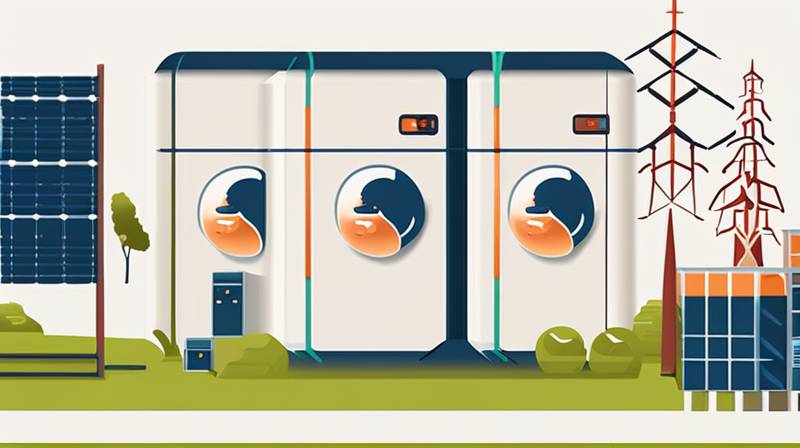
The increasing demand for electricity in Africa presents significant challenges for energy infrastructure and sustainability. 1. Energy storage is crucial in balancing supply and demand, 2. It enhances grid reliability, 3. It facilitates renewable energy integration, 4. It contributes to economic efficiency. Energy storage solutions, such as batteries, pumped hydro storage, and thermal storage, allow for excess electricity generated during low-demand periods to be stored and released during peak times. This is particularly essential in a continent where energy access is limited, as it enables utilities to meet the rising demand while reducing reliance on fossil fuels. In particular, the integration of renewable energy sources, such as solar and wind, is enhanced through effective energy storage systems, enabling a smoother and more reliable energy supply. Furthermore, investing in energy storage not only supports infrastructure development but also creates opportunities for job growth and technological innovation. A proactive approach to energy storage will be vital in addressing the electricity demands on the continent in a sustainable way.
1. THE SIGNIFICANCE OF ENERGY STORAGE SYSTEMS
The diverse energy landscape across Africa presents both unique challenges and unprecedented opportunities for innovation. One of the primary challenges confronting electrical grids is managing fluctuations in energy supply and demand. This is particularly evident during peak demand periods, where the electricity usage surges significantly, often outstripping the available supply. Energy storage systems (ESS) provide a viable solution to this pressing issue, as they act as a buffer that smooths out the variances between generation and consumption.
In regions with limited electricity access, utilities often rely heavily on fossil fuels to meet peak demand. This reliance not only increases operational costs but also exacerbates environmental concerns. By incorporating advanced storage solutions into the power grid, it becomes possible to store excess energy produced during off-peak hours, allowing utilities to dispatch this stored energy during high-demand periods. Consequently, this enhances the reliability of electricity supply, minimizes the need for peaking power plants, and reduces greenhouse gas emissions associated with fossil fuel consumption.
2. IMPACT ON RENEWABLE ENERGY INTEGRATION
Renewable energy sources such as solar and wind have witnessed substantial growth in recent years across Africa. However, their intermittent nature—in which energy generation does not always align with consumption—represents a significant barrier to their widespread adoption. Energy storage plays a pivotal role in addressing this inconsistency, enabling a more reliable and stable integration of renewable sources into the energy mix.
Storing surplus energy generated during sunny or windy days allows for its use during periods of low generation, such as during nighttime or calm periods. This flexibility provided by energy storage systems supports utilities in optimizing the use of renewable resources, diminishing reliance on conventional generation methods. Furthermore, this shift toward cleaner energy sources not only aids in reducing carbon footprints but also positively impacts energy security by diversifying energy sources.
Technological advancements in energy storage, including lithium-ion batteries and innovative flow batteries, are making renewable integration more feasible. Moreover, the declining costs of these technologies increase their attractiveness compared to traditional energy generation methods. The combination of renewable energy and storage systems will lead to a more sustainable energy future for Africa, ultimately providing clean, reliable electricity for communities that have long struggled with energy access.
3. ECONOMIC EFFICIENCY AND JOB CREATION
Investing in energy storage infrastructure not only addresses peak demand challenges but also stimulates economic growth. The economic efficiency gained from energy storage solutions can lead to substantial cost savings for utilities and consumers alike. By reducing peak demand loads, utilities can avoid costly investments in new power plants, as well as reduce the operational costs associated with running inefficient peaking plants.
In addition to direct savings, energy storage offers ancillary benefits critical for overall system reliability and operational efficiency. For instance, stored energy can provide grid services such as frequency regulation and voltage support, enhancing overall grid performance at a fraction of the cost traditionally associated with either fossil-based backup generators or demand response programs.
Furthermore, the deployment of energy storage systems creates a multitude of job opportunities across various sectors. From manufacturing to installation and maintenance, the burgeoning market for energy storage technology fosters the development of a skilled workforce. As the sector continues to grow, training programs and educational initiatives focused on energy storage and management will emerge, preparing a new generation of professionals for careers in the energy field.
4. CHALLENGES AND OPPORTUNITIES FOR ENERGY STORAGE
Despite its vast potential, the implementation of energy storage systems across Africa faces several barriers. Initial capital investment costs, regulatory frameworks, and technological limitations represent significant hurdles to widespread adoption. Many countries lack the necessary policies and incentives to encourage investment in energy storage technologies, creating a challenging environment for growth.
However, there are also considerable opportunities to harness energy storage for transformative change. Governments and stakeholders are increasingly recognizing the value of incorporating storage solutions into national energy strategies. Collaborative efforts—including public-private partnerships and international financing—will be essential in bridging the financing gaps often encountered in energy storage projects.
Moreover, innovations in energy storage technology, including the exploration of different types of batteries and advanced management systems, will provide new pathways to enhance energy efficiency. By fostering a conducive environment for research and development, countries can stimulate local technological advancements, creating homegrown solutions that suit Africa’s unique energy landscape.
5. INFLUENCE OF POLICY AND REGULATION
The development and proliferation of energy storage systems in Africa are profoundly influenced by policy and regulatory frameworks. Comprehensive energy policies that incentivize storage deployment are essential for stimulating growth in this sector. Governments must establish clear guidelines on energy market structures, utility regulations, and investment incentives to promote the adoption of energy storage technologies.
Many African nations are beginning to enact policies aimed at facilitating renewable energy integration and improving grid reliability. Creating regulatory environments that support innovative financing models, such as third-party ownership, leasing arrangements, and performance-based incentives, can further encourage investments in storage solutions. These frameworks will foster healthy competition and encourage utility companies to explore energy storage as a viable option for meeting future demand with maximum efficiency.
Additionally, international collaboration and knowledge sharing play a crucial role in strengthening regional capabilities in energy storage. Leveraging best practices from countries with advanced storage programs can support the implementation of effective policies tailored to local contexts. By prioritizing the establishment of robust regulatory frameworks that favor energy storage, African nations can make significant strides in achieving energy security and financial sustainability.
6. TECHNOLOGICAL INNOVATIONS AND FUTURE TRENDS
The field of energy storage is undergoing rapid evolution, driven primarily by technological advancements. Innovations in battery chemistries, such as solid-state batteries and lithium-sulfur technology, are spurring improvements in energy density, lifespan, and safety. Such advancements will play a pivotal role in making energy storage systems more efficient and economically viable.
Additionally, the integration of Artificial Intelligence (AI) and advanced analytics is transforming energy storage management. AI algorithms can optimize energy storage operations by predicting demand patterns, enhancing charge/discharge cycles, and improving overall system reliability. The deployment of smart grids, coupled with energy storage, can lead to a more distributed energy ecosystem that empowers consumers to actively manage their energy consumption.
Moreover, the growth of decentralized energy microgrids is gaining momentum, particularly in rural and underserved communities. Microgrids equipped with energy storage can enhance resilience against outages and provide reliable electricity even in the absence of a centralized grid. This trend highlights the importance of recognizing localized solutions that cater to specific energy needs and challenges.
COMMON INQUIRIES RELATED TO ENERGY STORAGE
WHAT ARE THE BENEFITS OF ENERGY STORAGE IN AFRICA?
The advantages of energy storage in Africa are significant, contributing not only to addressing peak demand but also to enhancing the overall energy infrastructure. Energy storage systems provide flexibility, allowing stored energy to be used when demand surges, thus ensuring a reliable electricity supply. Additionally, they enable the integration of renewable energy sources, mitigating reliance on fossil fuels and reducing greenhouse gas emissions. Economic benefits emerge through cost savings for utilities. Moreover, the deployment of energy storage systems creates jobs, stimulating local economies. In this way, the penetration of storage technologies can catalyze a sustainable transformation of Africa’s energy landscape, aligning with regional goals for energy access and climate resilience.
HOW DOES ENERGY STORAGE IMPACT RENEWABLE ENERGY DEPLOYMENT?
Energy storage systems are instrumental in the effective integration of renewable energy sources, such as solar and wind, into national grids. Their capability to store surplus energy generated during periods of high production enables its use during times when generation is low. This eliminates barriers associated with the intermittent nature of renewables, ultimately promoting greater reliance on clean energy sources. Furthermore, energy storage systems enhance grid stability, allowing for more frequent and robust deployment of renewables throughout different regions. With a dependable storage solution in place, grid operators can optimize renewable energy utilization, resulting in cleaner energy production and increased investment in sustainable technologies.
WHAT ARE THE FUTURE TRENDS IN ENERGY STORAGE TECHNOLOGIES?
The future of energy storage technology is characterized by remarkable advancements and evolving trends. Innovations in battery technology, such as solid-state batteries and flow batteries, are anticipated to enhance performance and efficiency dramatically. Additionally, Artificial Intelligence and machine learning are revolutionizing energy management, enabling real-time optimization of storage systems. Another significant trend involves the growing adoption of decentralized energy solutions, such as microgrids equipped with storage capabilities. These microgrids not only bolster energy resilience in remote communities but also create localized energy economies. Furthermore, the costing of storage technologies is expected to decline, making them increasingly accessible and integral in transforming the African energy landscape.
REMARKABLE INSIGHTS ON ENERGY STORAGE IN AFRICA
Adopting energy storage systems in Africa stands out as an effective strategy for addressing the continent’s increasing electricity demand while advancing sustainability. Energy storage technologies are not merely a solution for peak demand; they are the backbone of an evolving energy paradigm in Africa. As the region continues to grapple with its dual challenges of insufficient energy access and the urgent need for climate action, energy storage emerges as a beacon of reliability and innovation.
By integrating energy storage infrastructure into power markets, stakeholders can unlock untapped potential through diversification of energy sources and improved grid management. The synergy between storage and renewable energy sources not only supports the transition to cleaner energy but also enhances economic benefits through job creation and innovation. Governments and policymakers are also urged to foster an enabling environment by creating supportive regulations and investment frameworks that attract capital and expertise into the energy storage sector.
As Africa forges ahead in expanding its electricity networks, it becomes increasingly necessary to embrace energy storage systems as part of comprehensive energy strategies. The future of energy in Africa hinges on the strategic deployment of energy storage technologies, which will play an instrumental role in achieving energy independence and sustainability. Embracing this technology marks a pivotal step toward reducing the continent’s carbon footprint and addressing the energy needs of its growing population.
Original article by NenPower, If reposted, please credit the source: https://nenpower.com/blog/the-role-of-energy-storage-in-reducing-africas-peak-electricity-demand/

