

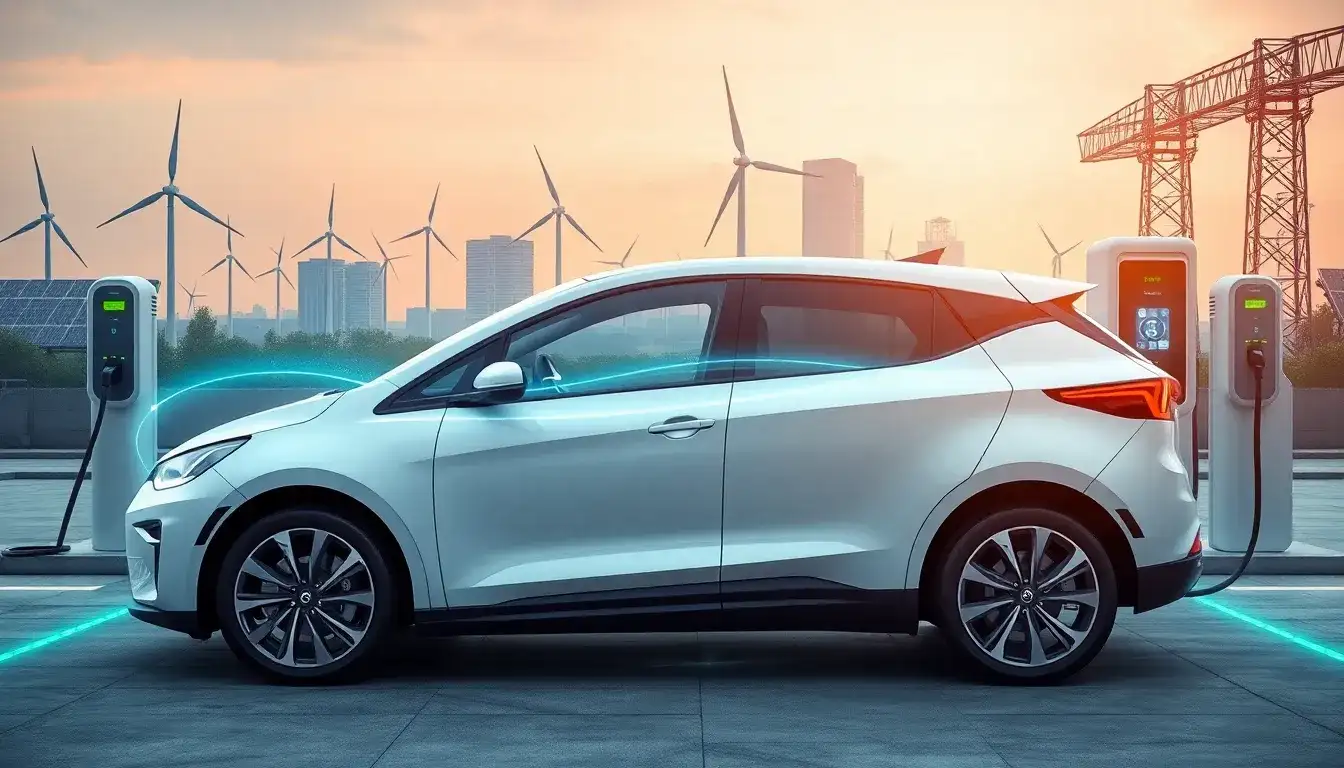
The concept of “Vehicle-to-Grid” (V2G) has emerged as a promising solution in the new energy vehicle sector, particularly as electric vehicles (EVs) become more prevalent. This technology enables EVs to not only consume energy but also return it to the grid, effectively creating a two-way energy exchange. V2G technology is set to gain traction, with various initiatives and pilot projects being implemented globally.
Recently, the <b>“V2G Integrated Energy Station”</b> was launched in China, designed to accommodate 64 electric vehicles and facilitate a seamless energy flow between EVs and the power grid. This innovative station is part of a broader push to enhance energy efficiency and sustainability within the transportation sector.

On April 24, 2025, the National Development and Reform Commission of China announced plans to implement a V2G pilot program across nine cities, involving 30 designated projects. This initiative aims to explore the potential of V2G technology and its impact on energy management and grid stability.

The <b>“V2G Pilot Program”</b> will involve multiple stakeholders, including electric power companies and vehicle manufacturers, to develop a framework for energy sharing and integration. This collaborative effort aims to reduce operational costs for EV owners and enhance the overall efficiency of the electric grid.

As of now, the total number of electric vehicles in China exceeds 3.14 million, with the number of charging stations reaching 12,000. This growth reflects the increasing adoption of EVs and the urgent need for infrastructure that supports V2G capabilities.

Several cities are already reaping the benefits of V2G technology. For instance, in Guangzhou, electric vehicles participating in V2G programs have reported receiving compensation during peak times, significantly lowering their operational costs. The compensation can reach as high as 0.6 yuan per kWh during high-demand periods, providing a financial incentive for EV owners to participate in energy sharing.

Moreover, the <b>“Vehicle-to-Grid”</b> initiative is expected to reduce the reliance on fossil fuels by enabling a more flexible and responsive energy grid. This technology not only aids in stabilizing the grid but also supports the integration of renewable energy sources, fostering a cleaner energy landscape.

Looking ahead, the V2G framework is anticipated to evolve, with more cities and regions implementing similar programs. As the involvement of electric vehicles in energy management continues to grow, it will be crucial to establish effective policies and regulations that support this transition.

In summary, the advancement of V2G technology represents a significant step towards a sustainable energy future, where electric vehicles play a vital role in both transportation and energy management. The collaborative efforts from government bodies, industry leaders, and the public will be essential in driving this initiative forward, paving the way for a greener tomorrow.
Original article by NenPower, If reposted, please credit the source: https://nenpower.com/blog/the-rise-of-v2g-technology-revolutionizing-electric-vehicles-and-energy-management/

