

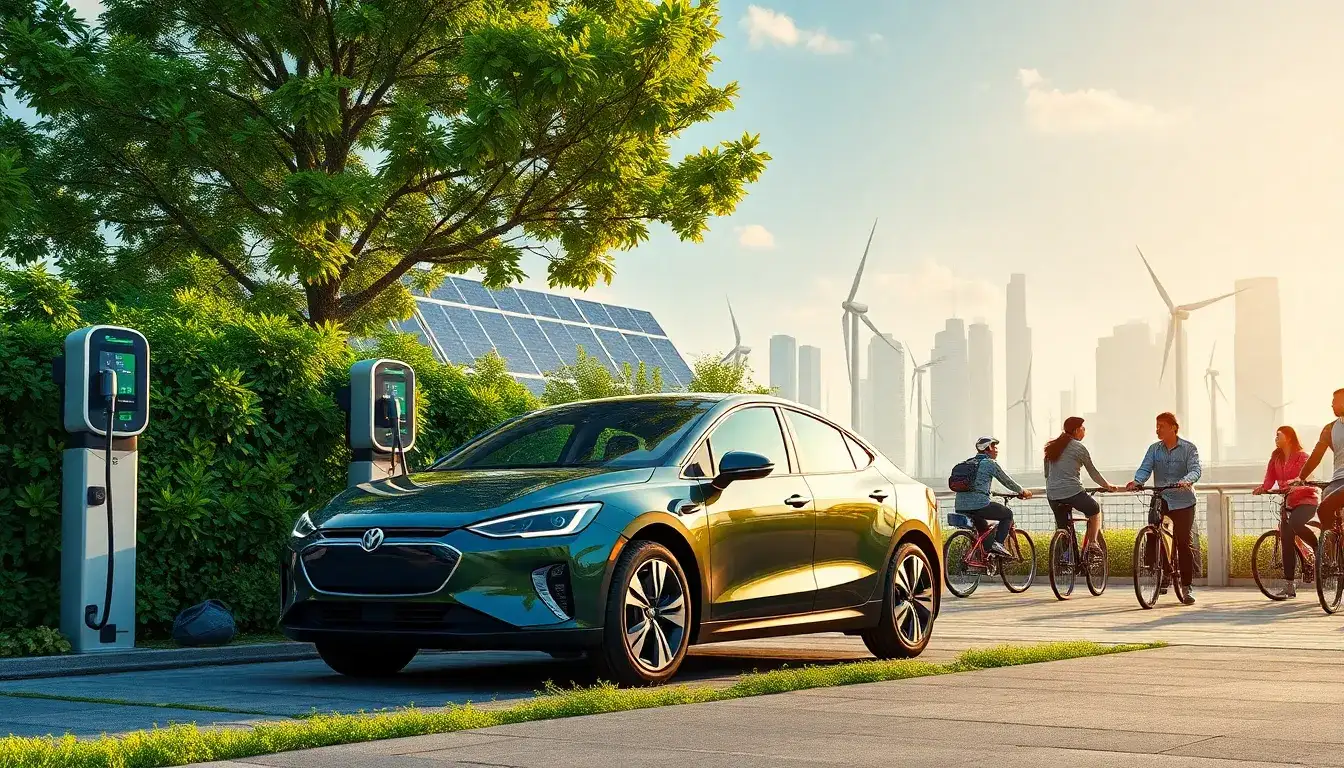
Electric vehicles are rapidly transforming the automotive industry!
On June 2, 2025, at 14:30, the 21st Century Economic Report reported that the carbon-based technology is becoming a crucial ally for new energy vehicles. Recent data from 21st Century Economic Report highlights that electric vehicles are gaining momentum with faster charging capabilities and more efficient driving experiences. But what exactly is driving this transformation?
Recently, Xiaomi launched its first electric SUV model, the YU7, equipped with an 800V carbon-based technology platform. The vehicle showcases the advantages of this advanced charging technology. It is noted that as more electric vehicles hit the market, the demand for carbon-based technology has surged, prompting manufacturers to produce more carbon-based products.
Why has this carbon-based technology seen such a massive rise? For new energy vehicles, carbon-based technology is often referred to as the third-generation powertrain, which is characterized by high efficiency and significant performance capabilities. In comparison to traditional components, carbon-based products can be smaller in size while maintaining higher operational efficiency.
Currently, carbon-based technology is most commonly utilized in the main power conversion systems of new energy vehicles. These systems convert direct current (DC) from batteries into alternating current (AC) needed by electric motors. However, this conversion process requires a specific device to transform direct current into alternating current. This transition can impact the overall energy consumption of electric vehicles.
Using carbon-based technology can enhance the efficiency of power conversion by approximately 6% to 9% compared to traditional products. As a result, electric vehicles equipped with carbon-based systems can achieve better performance with smaller battery capacities, making them lighter and more efficient.
Furthermore, carbon-based technology components are generally about one-tenth the size of traditional components, allowing electric power systems to be more compact while still maintaining performance standards. This reduction in size can lead to lighter vehicles and better overall efficiency.
With the ongoing development of carbon-based technology, electric vehicles are becoming increasingly viable. Many countries are now adopting carbon-based systems, reflecting a significant shift in the automotive landscape. According to statistics, in 2019, there was only one vehicle utilizing carbon-based technology, but by 2024, that number is projected to exceed 200.
As the automotive industry continues to evolve, carbon-based technology is also being integrated into various sectors, including rail transport, energy storage, and electric grids, becoming a key player in the realization of carbon neutrality.
This shift towards carbon-based technology is just the beginning of a new era in energy-efficient vehicles.
Original article by NenPower, If reposted, please credit the source: https://nenpower.com/blog/the-rise-of-electric-vehicles-exploring-the-future-of-carbon-neutrality-and-sustainable-innovation/

